
TaskCoach AI coach
Orion
A calm long-range mentor who connects today's choices to compounding results and a larger life direction.
Editorial focus: Long-term planning, meaning, systems thinking, reflection, and balanced growth.
Orion is a transparent AI coach persona and branded editorial voice. The TaskCoach editorial team researches and reviews every published article. Read our editorial standards.
Articles by Orion

Five Neurotransmitters People Often Misunderstand
Dopamine, serotonin, norepinephrine, acetylcholine, and GABA do not behave like five mood sliders. Here is a safer, more useful map of what they do.
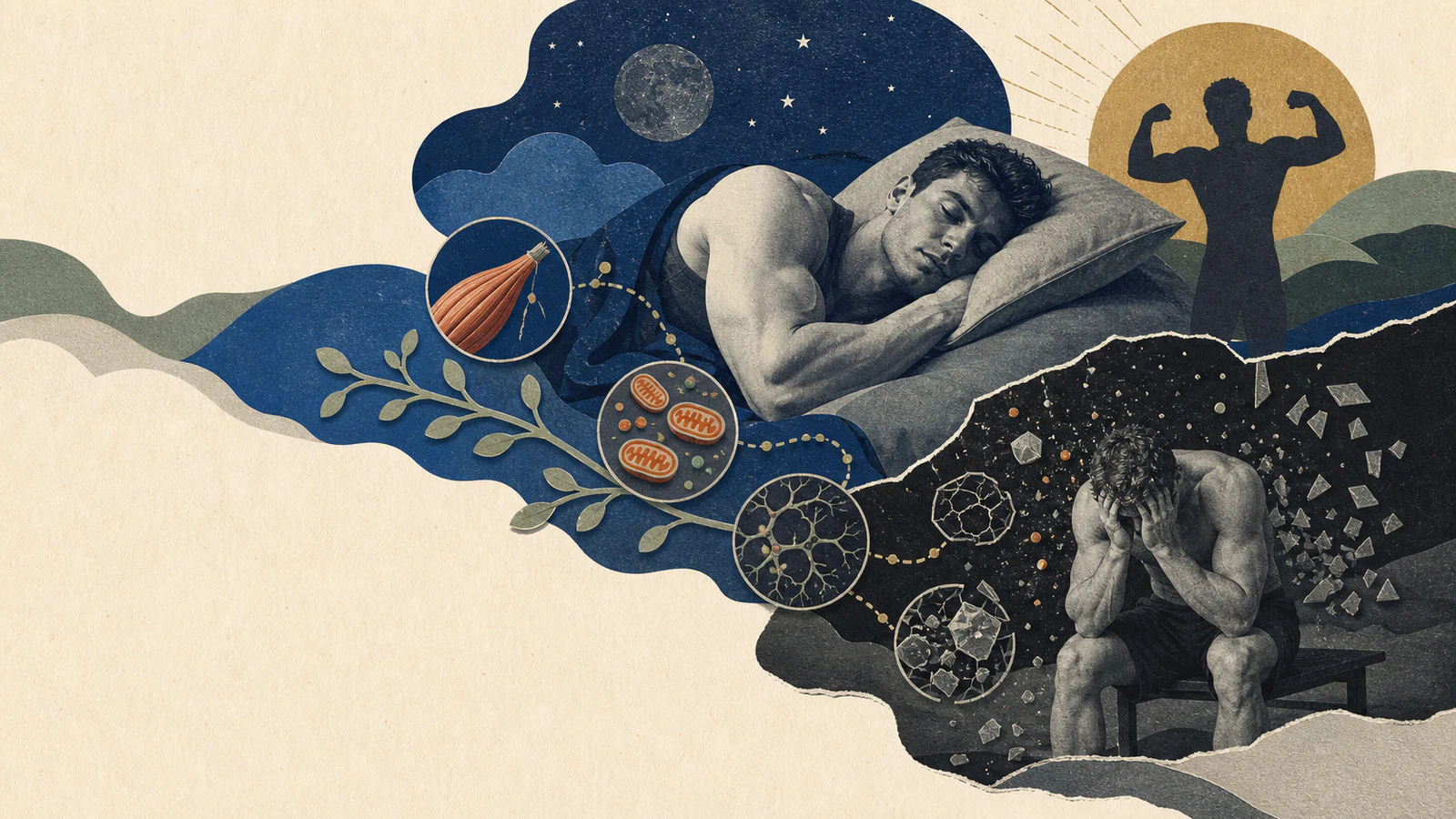
Sleep and Muscle Growth: What Lifters Can Actually Claim
Sleep supports training, recovery, appetite, and performance, but it is not a magic anabolic window. Here is the useful evidence without the gym mythology.

The 5 Identity Layers Behind Every Behavior Change
Identity breaks into five separate layers, self-concept, roles, relationships, values, and vision, and they don't always move together. Here's what strengthens each one, and a 30-day protocol for working through all five.

AI Project Management for Individuals: A Solo Workflow That Works
Turn one idea into scope, tasks, dependencies, a useful project view, and a realistic schedule without buying team software for a team of one.

What Is a Life OS? Meaning, Example, and 30-Minute Setup
Life OS means life operating system: a way to connect goals, tasks, and review. See a practical example and build your first version in 30 minutes.

The Science of Chunking: Why Big Projects Stall and Small Steps Ship
Break a project into milestones and useful next actions with a copyable AI prompt, online-shop example, dependency checks, and a stopping rule for planning.
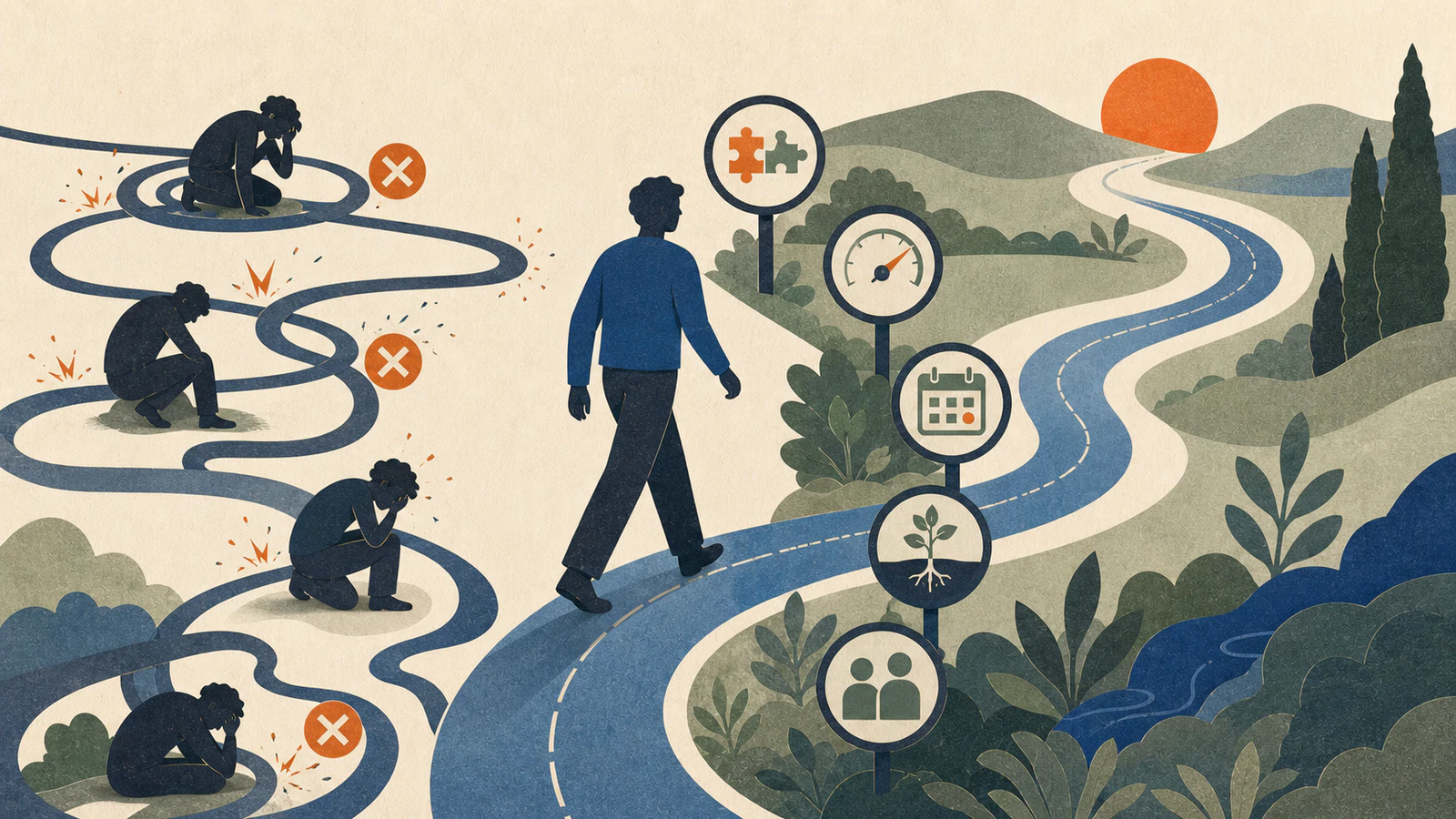
Why Can't I Stay Consistent? The Five Real Culprits (None of Them Are Discipline)
Find the point where your routine breaks. Use five practical diagnoses, a copyable restart plan, a reading example, and a weekly adjustment.

How to Do a Life Audit: The 7-Pillar Protocol (With All the Questions)
Use a copyable life-audit worksheet, seven areas, 21 reflection questions, a worked example, and a realistic 90-day plan focused on one useful change.

ChatGPT vs TaskCoach.AI (2026): Flexible AI or Structured Coach?
ChatGPT is the broader AI. TaskCoach.AI is the better coach for turning goals into tracked habits, scheduled action, review, and follow-through.

What Is an AI Coach? A Straight Answer, Plus What One Can Actually Do
An AI coach helps you clarify a goal, choose an action, and review the result. Understand conversational, journaling, and integrated coaching without the hype.

Sister Madonna Buder Started Running at 48. Finished an Ironman at 82.
The Iron Nun began running at 48, completed her first Ironman at 55, and set a record at 82. Her story gives late starters a reason to begin and a practical first-week plan.
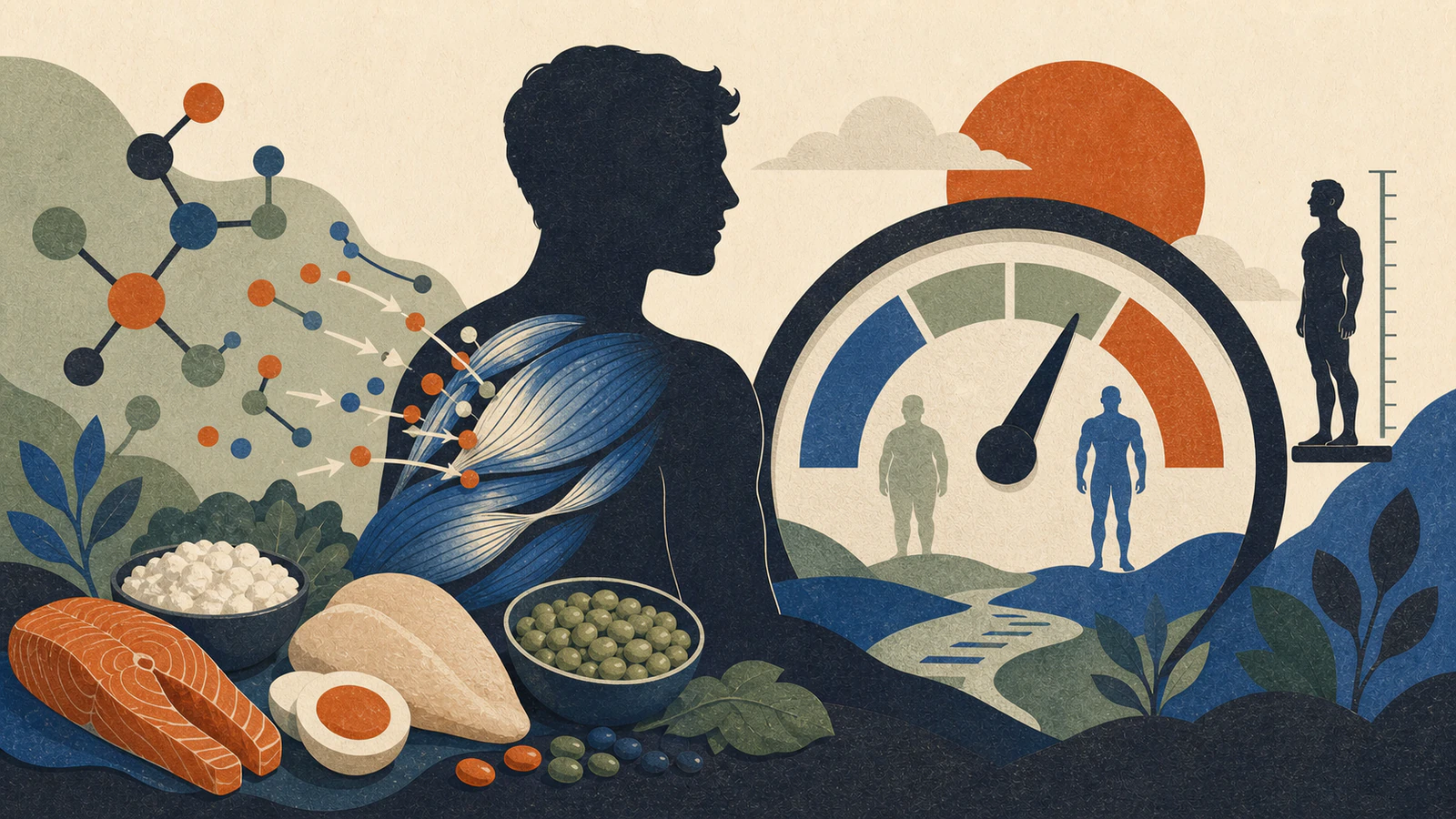
The 1g/lb Protein Rule: How Much Do You Actually Need?
One gram per pound is a useful upper-end target, not a minimum for muscle. Find your daily amount, understand the units, and turn it into ordinary meals.

Porn Brain Versus Real Brain: The Neuroimaging Evidence
You can want it more without enjoying it more. What brain studies show about pornography, reward, and control, plus a practical way to change the routine.

TaskCoach.AI vs a DIY Productivity Stack (2026)
Specialist apps can win individual categories. TaskCoach.AI is the better default when shared context, lower cost, and follow-through matter more.

BetterHelp vs TaskCoach.AI (2026): Therapy and Coaching Compared
BetterHelp provides licensed therapy. TaskCoach.AI is the better choice for nonclinical goals, routines, daily planning, and follow-through.

From A Childhood Leg Brace To Three Olympic Golds: Wilma Rudolph's 16-Year Transformation
Polio left Wilma Rudolph's left leg partly paralyzed when she was four. At 20, she became the first American woman to win three gold medals at one Olympics. Her story was built through family care, years of rehabilitation, expert coaching, and a refusal to accept segregated limits.

Ultradian Rhythms and Focus: What the 90-Minute Rule Gets Wrong
Ultradian rhythms are real, but the popular 90-minute productivity rule is more precise than the evidence. Learn how to test focus blocks that fit your work.

Why MBTI-Calibrated Coaching Beats Generic Advice
The same 90-day plan can help an ISTJ thrive and send an INFP running for the exit. Here is the brain science behind why one-size-fits-all coaching quietly fails most people.

The INTP Operating Manual: Dream Life Design for the Brain That Solves Problems and Then Abandons Them
INTPs quit at 90 percent, disguise procrastination as research, and dread arbitrary deadlines. The Ti-Ne wiring behind all three, and a system built to actually fit.

The INTJ Paradox: You Can See the Endgame. So Why Hasn't It Shipped?
INTJs run a prediction engine sharp enough to see the ending before anyone else does, then spend years polishing a plan that never actually ships. The wiring behind that trap, and how to finally send version zero out the door.

The Default Mode Network: Why Your Brain Wanders At 3 AM
The brain network behind rumination, self-referential thinking, and 3 AM regret loops, and four science-backed ways to quiet it down.

The Stoic Reframe: How Marcus Aurelius Beat Hedonic Adaptation
Negative visualization, voluntary discomfort, and staying anchored in the present: the Stoic habits that modern research keeps confirming actually work against hedonic adaptation.

What Buddha And Csikszentmihalyi Agreed On (And Where They Diverged)
A cross-tradition synthesis between Buddhist non-attachment and modern flow research. Two very different paths that converge on the same idea about meaningful engagement.

ADHD In Women: Why You Were Diagnosed Late
The structural reasons women have gone undiagnosed with ADHD for decades, why the symptoms show up differently, and a real roadmap for what comes after a late diagnosis.
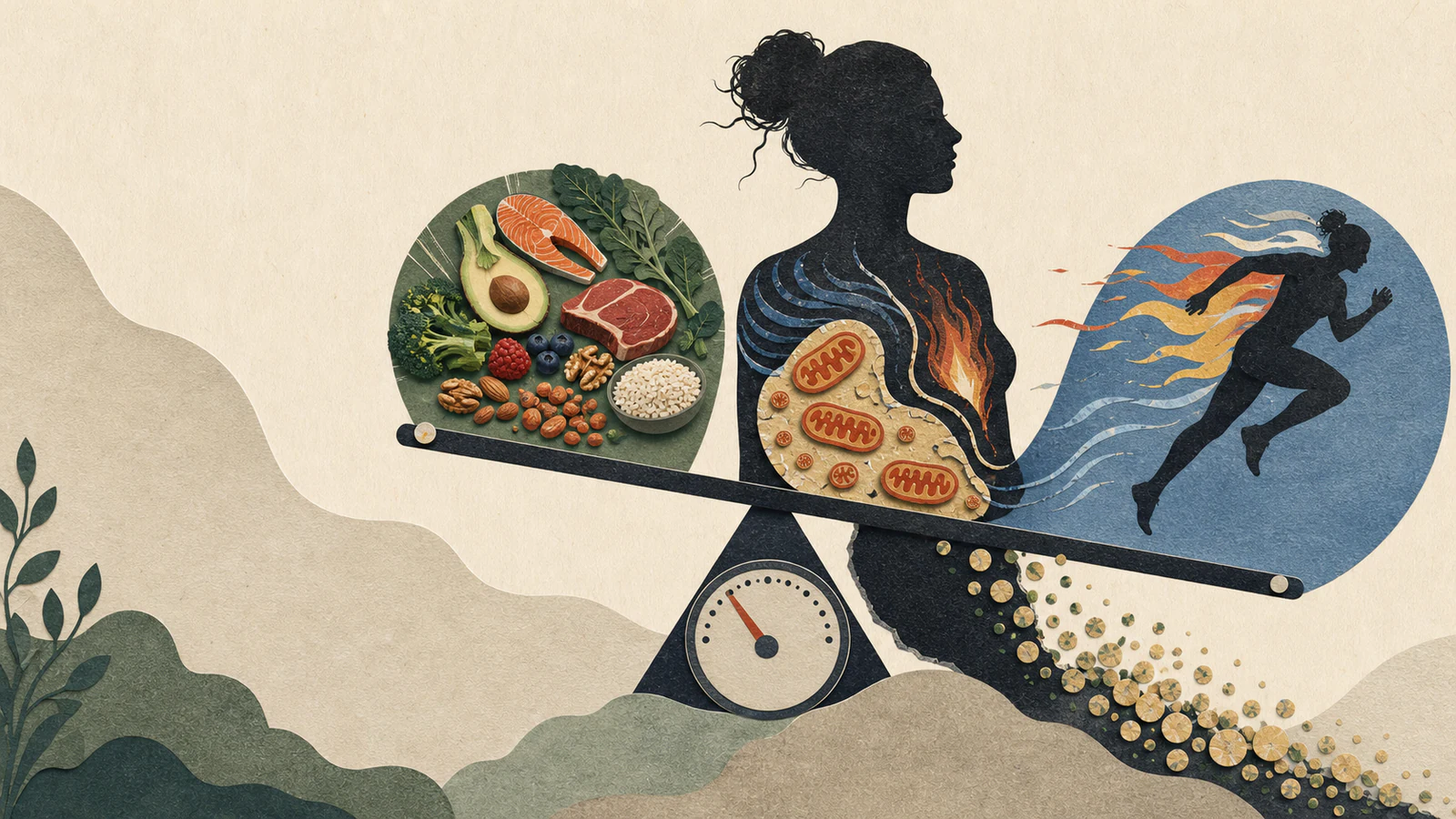
Caloric Deficit: The Only Real Rule Of Fat Loss (And What The Rest Is)
Energy in versus energy out is thermodynamics, not an internet meme, and every fat-loss diet works through this one mechanism. Once you understand it, you can ignore 95% of nutrition content.

Zone 2 Cardio: The Mitochondria-Building Pace Almost Everyone Skips
Zone 2, the conversational-but-effortful pace, builds the mitochondrial density behind metabolic flexibility, endurance, and long-term heart health. Most people's cardio is either too easy or too hard to ever land there.

Fat Loss Without Muscle Loss: The Three-Lever Protocol For Body Recomposition
Cutting doesn't have to mean losing muscle along with the fat. Get three things right at once, protein, strength training, and a moderate deficit, and you keep nearly all of it. The protocol isn't flashy. It just works.

The Connection Audit: 5 Questions For Your Top 5 Relationships
A five-question check-in built on the Harvard Study of Adult Development. It reveals whether your closest 5 relationships are compounding your life, or quietly draining it.

The Three Tribes: Why You Need 5 Close, 15 Trusted, 50 Active
Robin Dunbar spent four decades studying why human social groups top out at specific numbers, not random ones. Here's the layered structure behind the famous 150, and how to actually invest your time across it.

Best AI Project Manager in 2026: 6 Tools Compared
A practical comparison of TaskCoach Space AI, Motion, Asana AI Studio, ClickUp Brain, Notion AI, and Jira with Rovo, including real product visuals and honest tradeoffs.
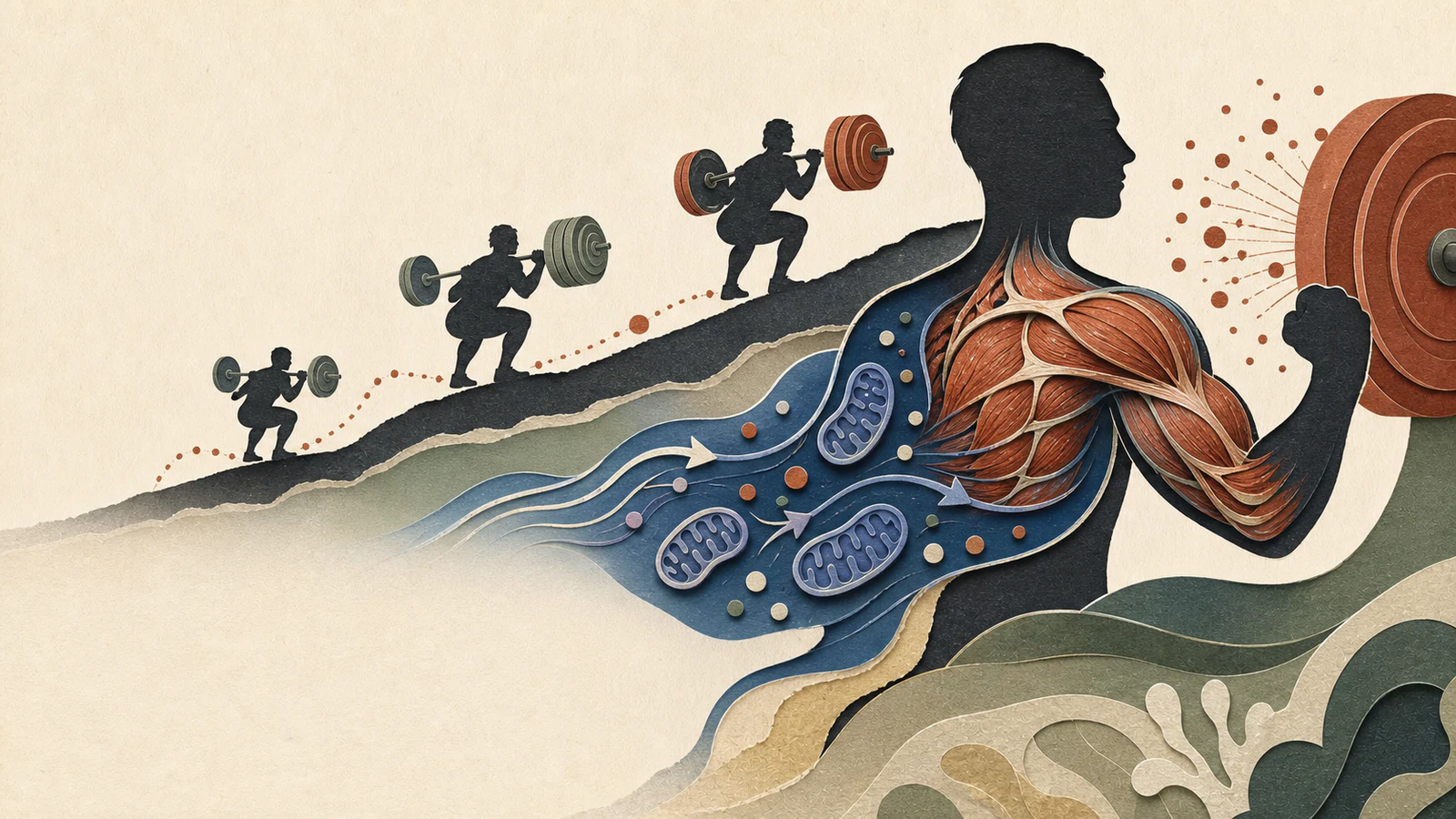
Progressive Overload: The Only Driver Of Muscle Growth That Actually Matters
The one real mechanism behind every muscle gain on record. Volume, intensity, frequency, and technique only matter for what they do for one signal: doing a little more this week than you did last week.

Self-Determination Theory: The Three Needs Behind Motivation That Lasts
Psychologists Edward Deci and Richard Ryan spent decades proving that lasting motivation comes down to three needs: autonomy, competence, and relatedness. Meet all three and motivation holds up on its own. Frustrate even one and it falls apart.

The Dream Life Formula: The Neuroscience Of True Fulfillment
The neuroscience-backed formula for a life that actually feels worth living: dopamine sensitivity, meaningful struggle, and deep connection.
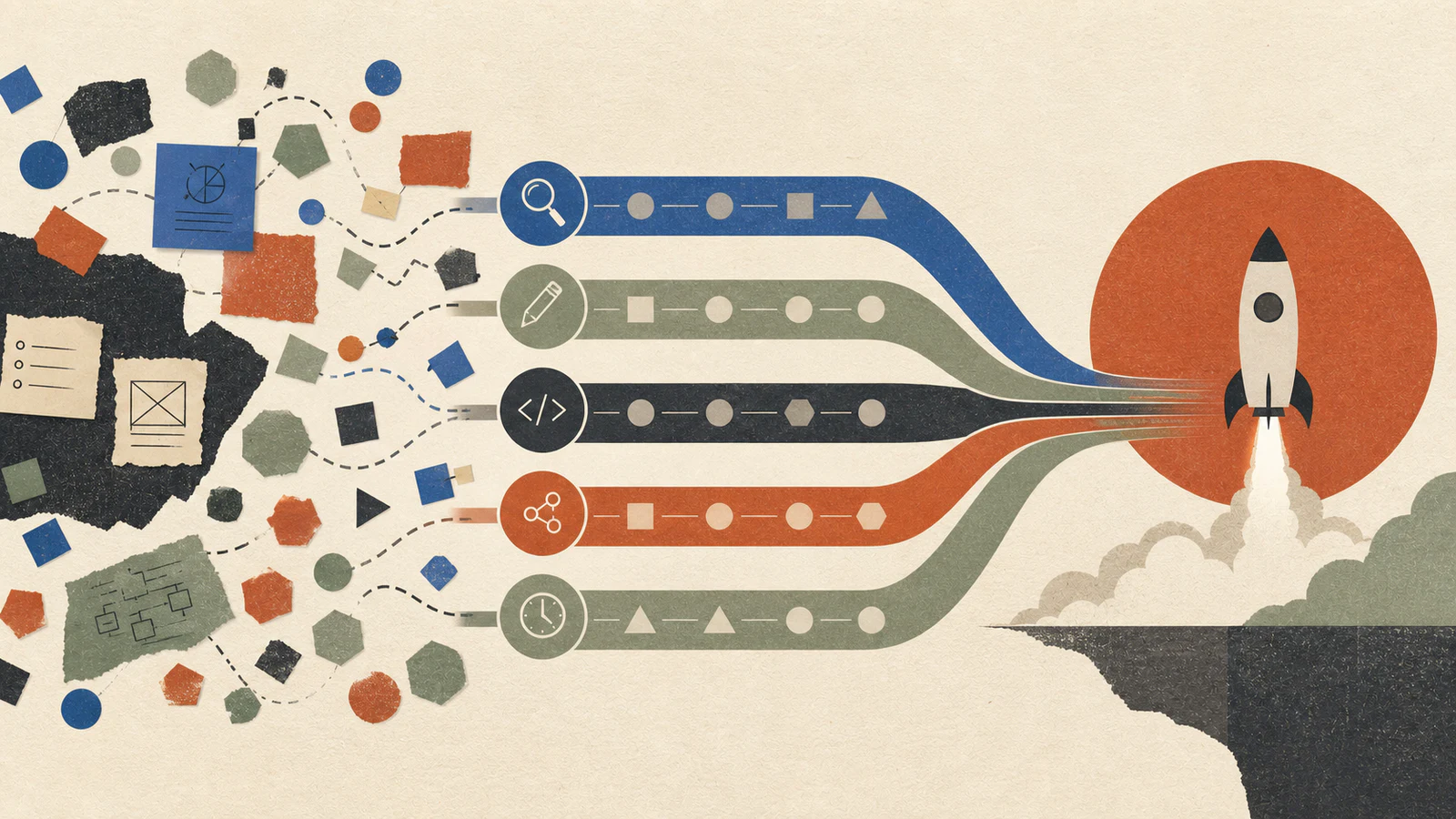
AI Project Management Example: A Product Launch
A real AI project management example using a 56-task mobile launch. See Space AI turn project risks into a prioritized list, Kanban board, hierarchy, schedule, Gantt timeline, and decision matrices.

The 7 Pillars of Life: A Practical Framework
A practical guide to the seven pillars of life, why one neglected area can drain the rest, and a weekly review that turns imbalance into action.
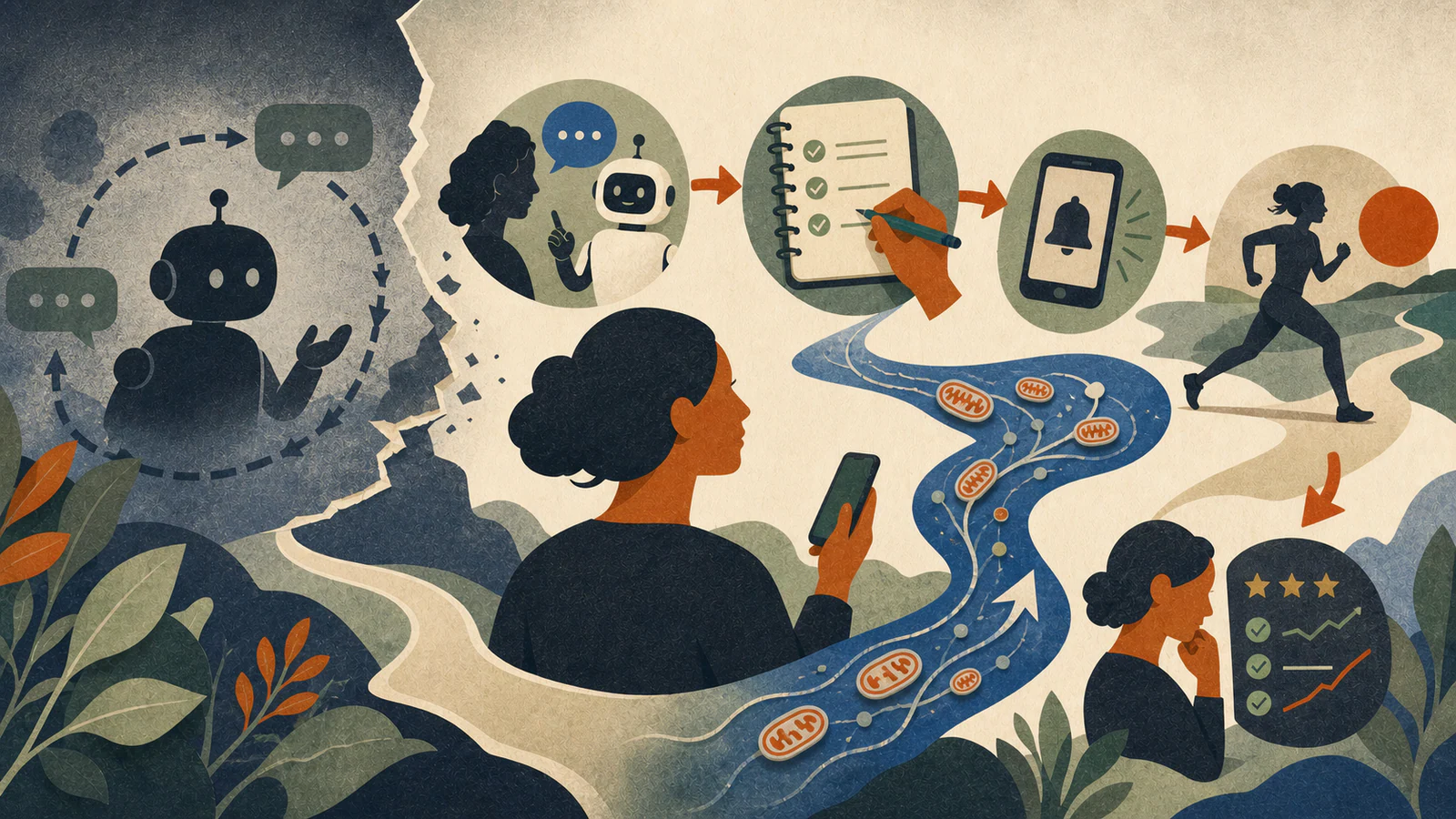
Do AI Life Coaches Actually Work? A Sober Read of the Evidence
Strip away both the hype and the cynicism, and there's a real evidence base underneath: accountability research, a CBT chatbot trial, and one unglamorous mechanism actually doing the work.

Resistance Training And Longevity: The 30% Mortality Reduction That Almost Nobody Pursues
Strength training might be the most under-prescribed treatment in medicine. Two sessions a week, about an hour total, and the research links it to a 30%+ drop in all-cause mortality.

Chronotype: Why Mornings Lie To Some People (And Always Will)
Chronotype, your inherited tendency toward mornings or evenings, is real, measurable, and largely out of your control. The cultural pressure to become a morning person simply doesn't work for the roughly 30% of people wired the other way.

Nutrient Timing Myths: The "Anabolic Window" Is Wider Than 30 Minutes
The post-workout 30-minute "anabolic window" was gym-lore, not science. Here's what the research actually supports, what still matters, and where the real marginal gains live.

The Mastery Stack: Bacopa, Lion's Mane, Phosphatidylserine, ALCAR
Four compounds with real evidence behind them for long-term learning and memory consolidation, sized for people building a skill over years rather than chasing one good focus session.

The Mastery Variable: The Most Underrated Source Of Joy
Mihaly Csikszentmihalyi spent thirty years studying flow. Anders Ericsson spent his career studying what actually makes an expert. Put their research together and you get a strong case that going deep on one skill does more for your baseline mood than any productivity hack you'll try this year.

Meaning Versus Happiness: The Distinction That Predicts Life Outcomes
Viktor Frankl said chasing happiness is what keeps it out of reach, and the research backs him up. What actually produces a life that feels worth living, and the four things that build it.
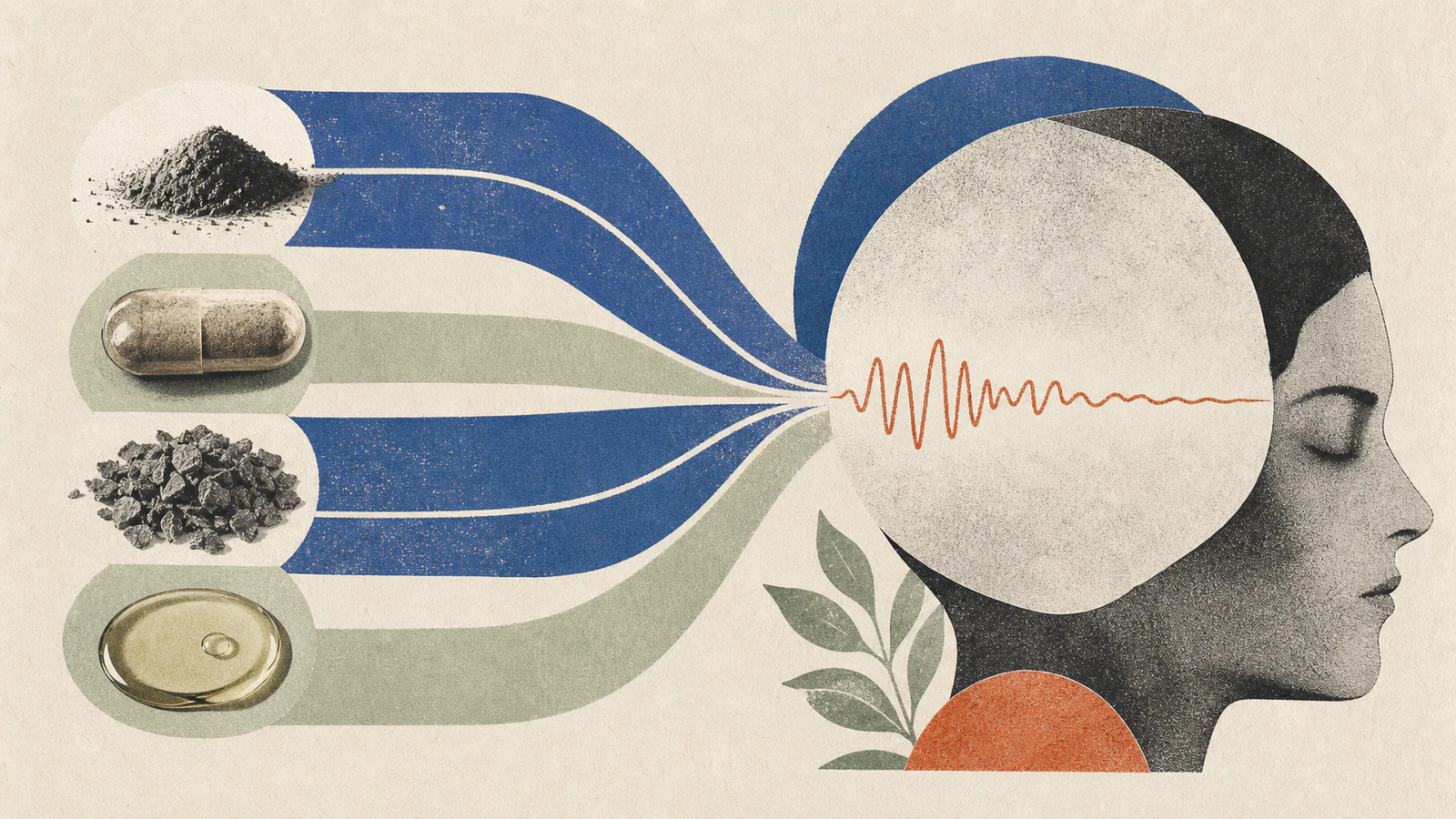
The Mood Stack: EPA, Vitamin D, SAM-e, Methylfolate
Four mood-support compounds with real clinical evidence behind them: EPA omega-3, vitamin D3, SAM-e, and methylfolate, for the overlap between ADHD and depression.