
TaskCoach AI coach
Stan
A direct, structure-first coach who turns vague intentions into deadlines, rules, and concrete next actions.
Editorial focus: Accountability, execution, routines, deadlines, and behavior change.
Stan is a transparent AI coach persona and branded editorial voice. The TaskCoach editorial team researches and reviews every published article. Read our editorial standards.
Articles by Stan

What Is a Task Coach? How Coaching Turns Plans Into Action
A task coach helps you choose the next step, make it small enough to start, schedule it, and follow through. Here is how human coaches, body doubles, and AI task coaches differ, especially for ADHD.

Todoist vs TaskCoach.AI (2026): Task Manager or Life System?
Todoist excels at pure task management. TaskCoach.AI is the better choice when goals, habits, daily planning, and coaching need to work together.

Sunsama vs TaskCoach.AI (2026): Daily Planner or Life System?
Sunsama excels at orchestrating a work stack. TaskCoach.AI is the better choice for connected goals, habits, planning, progress, and coaching.

Obsidian vs TaskCoach.AI (2026): Notes or Action System?
Obsidian excels at local knowledge. TaskCoach.AI is the better choice when notes need to drive goals, habits, daily plans, and coaching.

Notion vs TaskCoach.AI (2026): Workspace or Guided Life System?
Notion is the more flexible workspace. TaskCoach.AI is the better choice for a ready-made personal system that turns goals into daily action.

Motion vs Reclaim vs TaskCoach.AI (2026): What Each Automates
Motion and Reclaim automate calendars. TaskCoach.AI is the better choice when the schedule must serve personal goals, habits, and follow-through.

From Migrant Farm Work To Space After 11 Rejections: José Hernández's 24-Year Campaign
José Hernández learned English at 12 and spent school breaks harvesting crops with his migrant farmworker family. NASA rejected him 11 times. He treated each no as a skills audit, became an engineer, pilot, scuba diver, and Russian speaker, then flew on Space Shuttle Discovery at 47.

Apple Reminders vs TaskCoach.AI (2026): Native Tasks or Life System?
Apple Reminders excels at native capture. TaskCoach.AI is the better choice when reminders need to drive goals, habits, projects, and coaching.

The ADHD Supplement Stack: Omega-3, Magnesium, Tyrosine, Zinc
Omega-3, magnesium, L-tyrosine, and zinc for ADHD: what the evidence actually shows, and a simple way to test whether any of them do anything for you.

ADHD Sleep Science: Why Your Brain Won't Shut Off + 7 Hacks
Your brain won't power down at midnight because ADHD sleep runs on a different clock. Here's why, plus seven protocols that actually restore consistent eight-hour nights.

Exposed: The Flawed "Willpower" Myth (And The AI System Fix)
Willpower is a biological vulnerability, not a strategy. The science of ego depletion and basal ganglia automation, and the architecture that replaces grit with something more reliable.

The ADHD Morning Routine: 7 Science-Backed Rituals
The 60-minute morning protocol built to maximize executive function for the ADHD brain, drawing on Huberman, Walker, Barkley, and current ADHD coaching practice.

Hedonic Adaptation: Why Money Stops Buying Happiness
The famous "$75K happiness plateau" gets quoted constantly and misunderstood just as often. Here's what the research actually found, and why the real story is more useful than the one-liner.

The ESTJ Operating Manual: Control, Competence, and the Cost of Being the Responsible One
Inside the ESTJ brain, a messy process reads as a broken promise and downtime has to be earned like everything else. The wiring behind that instinct, and a plan for a life that doesn't need you propping it up around the clock.

The ISTJ Truth Nobody Says Out Loud: Load-Bearing, Not Boring
The Si-Te brain explained: why ISTJs carry everything quietly, ache when nobody notices, and burn out by obligation rather than overload. A life design built for your actual wiring.

The Accountability Partner Problem: Why Humans Flake and What Actually Replaces Them
Your gym buddy lasted three weeks. Your goal-buddy text thread went silent by February. The accountability was working. It was the human delivering it who wasn't. Here's the full replacement menu, ranked by what actually makes it work.

The Eisenhower Matrix: Why Q2 Is Where Real Work Lives
Dwight Eisenhower's urgent/important matrix splits every task into four quadrants. Most people live in Q1 and Q3 (urgent) and never get to Q2 (important but not urgent), which is where almost all the leverage actually compounds.

Time Blocking: Why Cal Newport's System Beats To-Do Lists
A to-do list lets your day pretend it has infinite room. Time blocking forces you to face how much actually fits, and to spend your best hours on work that matters. Cal Newport's method, refined over a decade of practice.
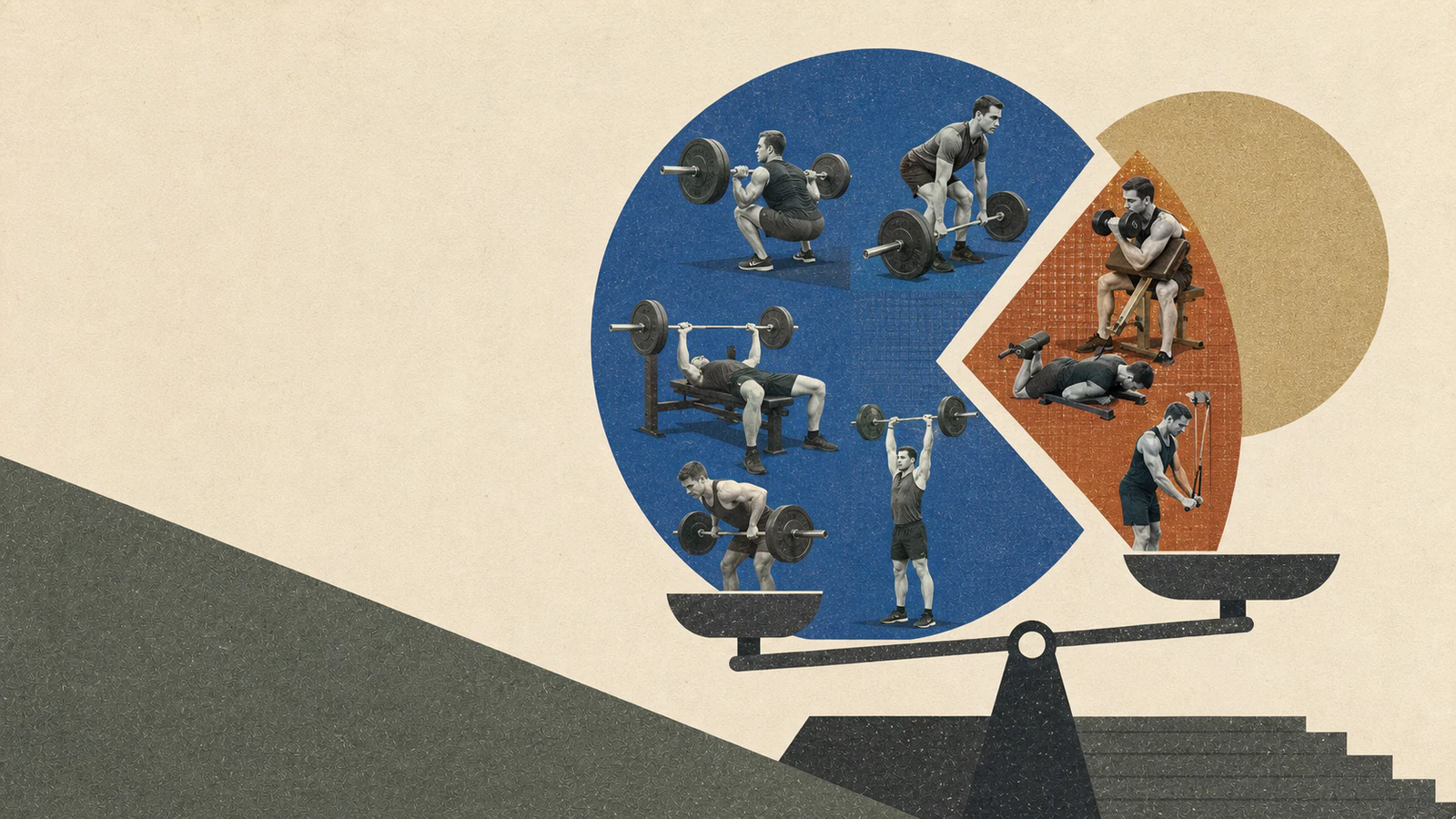
Compound vs Isolation: The 80/20 Of Lifting (And When Curls Earn Their Keep)
Squat, deadlift, bench, row, and overhead press do most of the work of getting strong. Isolation exercises still matter, just not as the foundation. Here's how to split your training time between them.

Lifting Frequency: Why 2-3x Per Muscle Per Week Beats The Bro Split
The old "chest Monday, back Tuesday" split only hits each muscle once a week. Research keeps showing the same thing: training each muscle 2-3 times a week builds more muscle at the exact same total volume.

The 25× Rule: When You Can Actually Stop Working
25 times your annual expenses, invested in the market, lets you withdraw 4% a year for 30-plus years without much risk of running dry. Here's the Trinity Study math, updated for how people actually retire early today.

The High Savings Rate Shortcut: Why 50% Saved Compounds Faster Than 50% More Earned
The path to financial independence that has almost nothing to do with your salary. Mr. Money Mustache's savings-rate math, and why cutting $5,000 in expenses beats a $5,000 raise every time.
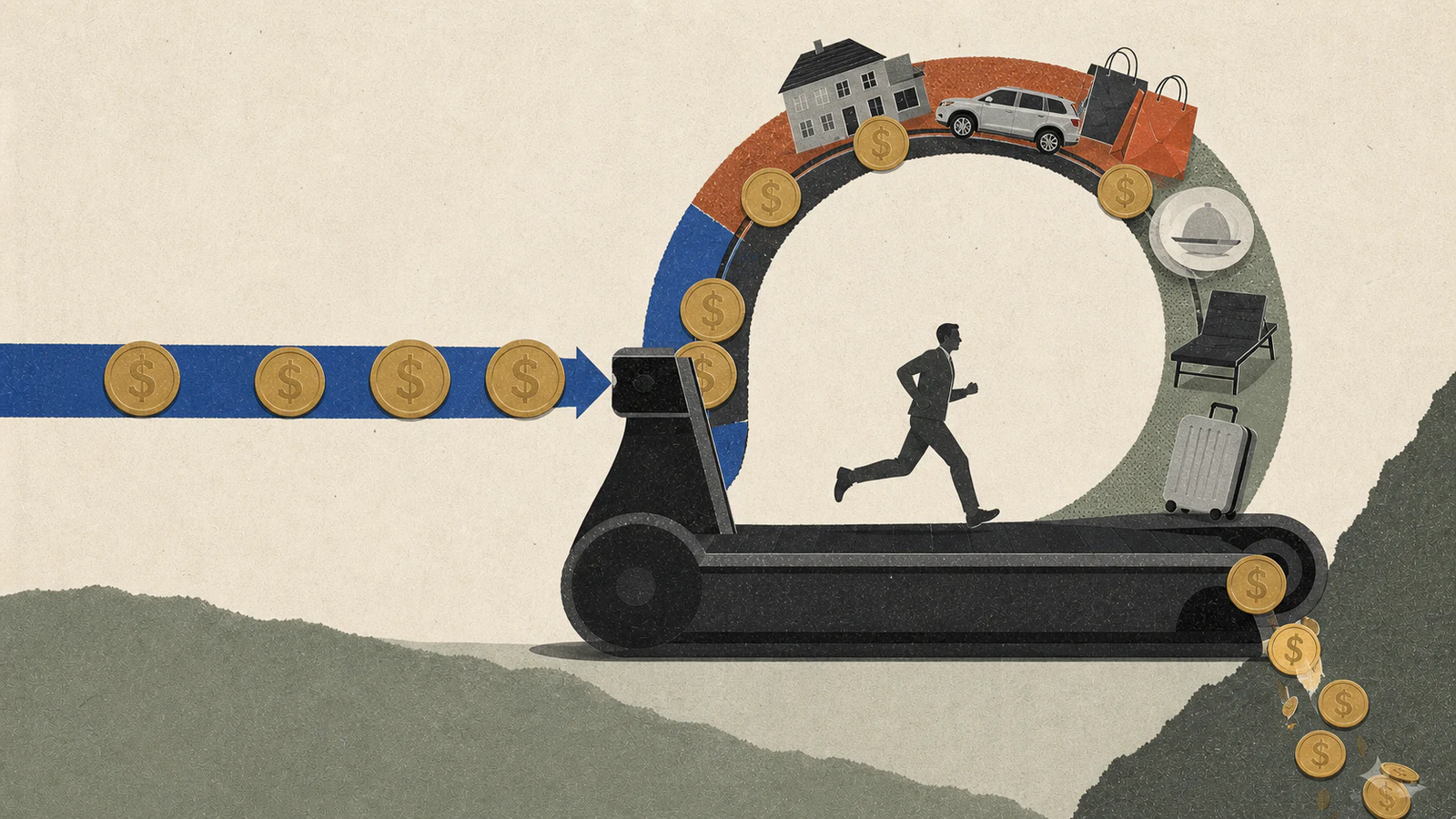
Lifestyle Creep: The Invisible Tax That Eats 100% Of Your Raises
Every raise you get quietly turns into new spending, until your savings rate ends up no higher than when you earned half as much. It's the hedonic treadmill applied to money, and there's a simple structural fix that actually works.

Salary Negotiation: The Most Asymmetric Bet In Personal Finance
About 30 minutes of conversation can add $10,000 or more to your salary, every year you hold the job. The downside is close to nothing. Why most people skip it anyway, and a framework that makes it easier.

The Strength Of Weak Ties: Why Acquaintances Get You More Jobs Than Close Friends
Mark Granovetter's 1973 paper is one of the most-cited in sociology, and its finding still surprises people: most jobs come from acquaintances, not close friends. Here's the mechanism, and what it means for how you should actually network.

Index Funds vs Active Management: Why The Market Beats Almost Every Fund Manager
Most active fund managers lose to a plain index fund, and it's not close: roughly eight out of ten underperform over a decade. Here's the math behind why, and why John Bogle spent his whole career telling people to stop trying to beat the market.

From Austrian Village To California Governor: Arnold Schwarzenegger And The Compounding Skill Stack
Arnold Schwarzenegger was born in 1947 in a small Austrian village with no money and no English. He was a bodybuilding champion at 20, Mr. Olympia at 23, a box-office star at 35, and Governor of California at 56. This is one of the most deliberately built careers in modern history.

Compound Interest: The Math Everyone Praises And Almost Nobody Acts On
Einstein is often credited with calling compound interest the eighth wonder of the world. The math behind it is simple. The results, given a few decades, are almost absurd. Here's the part most people miss.

Identity-Based Habits: Why Outcome Goals Fail And Identity Goals Stick
Why "I want to lose 20 pounds" quietly falls apart while "I'm someone who lifts on Tuesdays" doesn't. The science behind identity-based habits, pulled from Clear, Fogg, and Bandura.
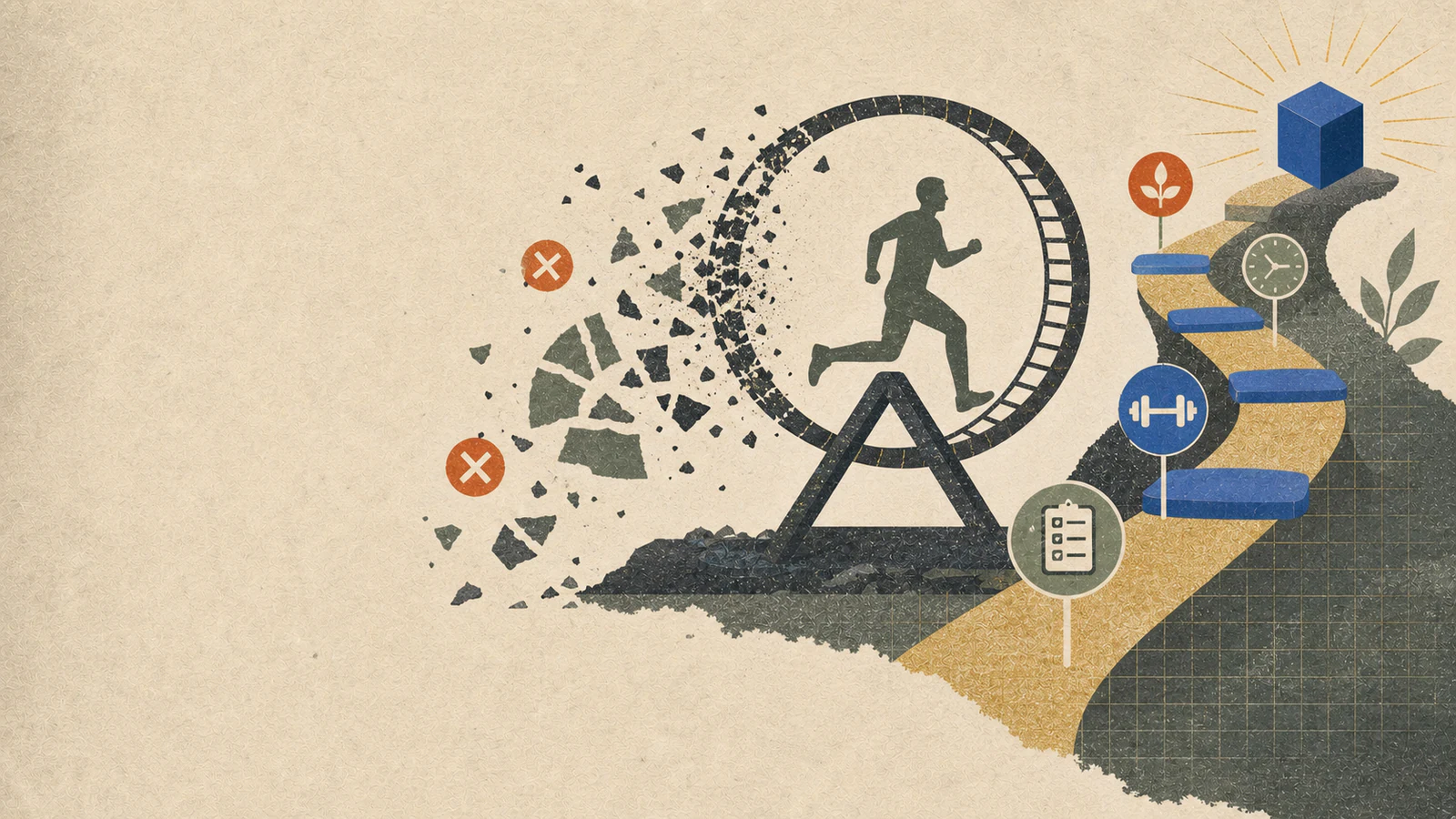
New Year, New Me: Why Resolutions Fail and What Actually Works
"New year, new me" resolutions usually collapse for the same reasons: a vague goal, no system, or too much change at once. Here is the real psychology behind a fresh start (the research holds up) and the specific, evidence-based structure that actually makes it stick this time.

The Pomodoro & Micro-Break Science: Why 25 On + 5 Off Beats 4 Hours Of Grinding
Francesco Cirillo's 1987 Pomodoro Technique looks like a cute trick with a kitchen timer. A decade of workplace research says otherwise: short breaks measurably cut fatigue and sharpen focus. The break-to-focus ratio is the variable almost nobody actually tracks.
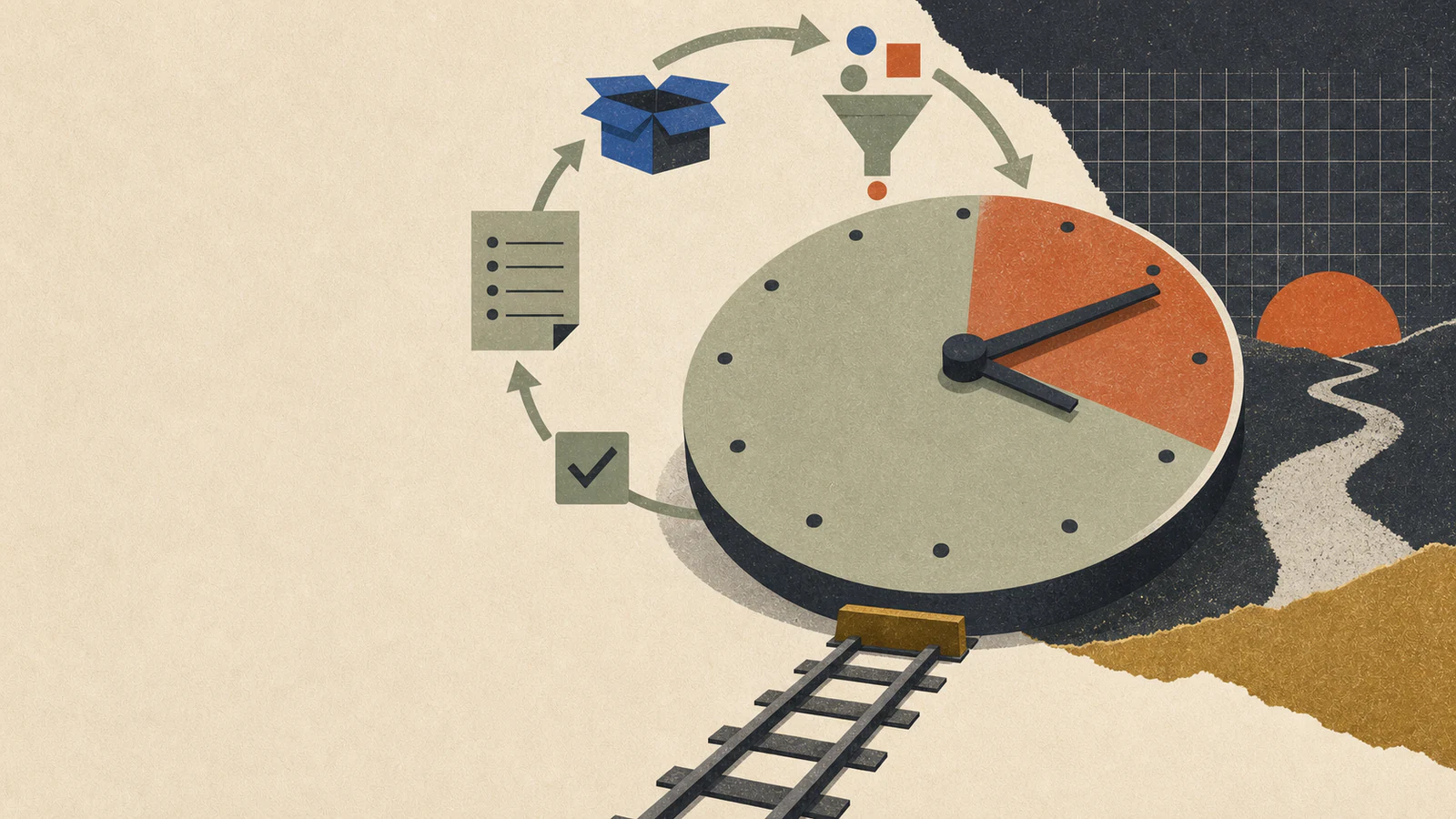
The Weekly Review That Sticks: A 20-Minute Template (GTD, Minus the Guilt)
David Allen called the weekly review the master key to GTD. Almost everyone who tries it quits within a month anyway. Here's the 20-minute version, with a built-in floor for bad weeks, that's actually built to survive a real life.

The Deep Work Stack: L-Theanine, Caffeine, Alpha-GPC, Lion's Mane
Four compounds with real evidence behind them for extending a focused work session: how each one works, how to dose it, when to take it, and the mistakes most "nootropic stack" guides never mention.
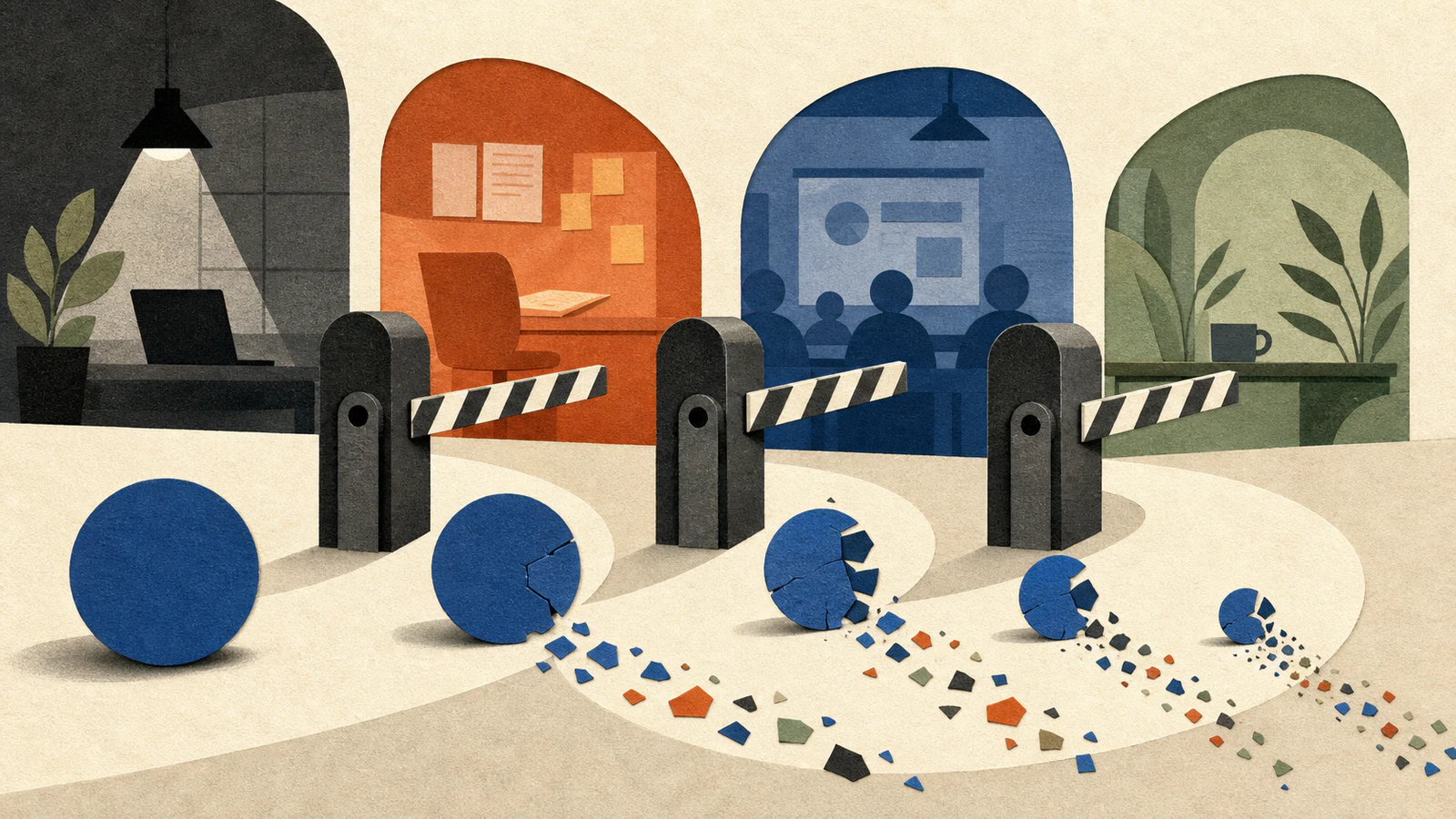
Task-Switching Cost: The Hidden Attention Tax And How To Stop Paying It
Every time you switch mental tasks, your brain pays a real, measurable cost. Researchers have put a number on it: up to 50% of completion time, and about 23 minutes to fully refocus after a single interruption. Here's the structural fix.

Systems Over Goals: Why Scott Adams And James Clear Are Right
Goals describe a future you don't have yet. Systems are what you actually run on a Tuesday. Scott Adams and James Clear reached the same conclusion from opposite directions, and it changes how consistent you actually are.

Implementation Intentions: The "If-Then" Plan That Doubles Goal Completion
Psychologist Peter Gollwitzer spent thirty years figuring out why good intentions fall apart. His fix: swap a vague goal for a specific if-then plan, like "when I finish my coffee, I'll put on my running shoes." It roughly doubles your odds of following through.

The 21-Day Habit Myth: What Lally's 2010 Research Actually Found
The '21 days to form a habit' idea comes from a misreading of a 1960 book about plastic-surgery patients, not habit research. Phillippa Lally's 2010 study found the real median is 66 days, and the range is enormous: 18 to 254 days.

NoFap Relapse Recovery: The 24-Hour Protocol That Saves The Streak
The 24-hour protocol that stops a one-night NoFap relapse from turning into a 30-day collapse, built on shame-cycle research and basic behavioral principles.

Habit Stacking: BJ Fogg's Anchor Method And Why Tiny Beats Ambitious
BJ Fogg's Tiny Habits method anchors a new behavior to one you already have, and shrinks the target down to something almost absurdly small. Here's the science behind why that quietly beats willpower-driven, ambitious habit goals.

Variable Reward Pornography: Why It Hijacks The Brain
Slot machines and high-speed internet pornography run on the same behavioral schedule, the one B.F. Skinner spent his career studying. Here is why the second one is harder to walk away from, and what actually breaks the loop.