
TaskCoach AI coach
Fiona
An energetic coach who makes difficult change feel approachable through encouragement, play, and visible progress.
Editorial focus: Motivation, gamification, social confidence, leisure, and sustainable momentum.
Fiona is a transparent AI coach persona and branded editorial voice. The TaskCoach editorial team researches and reviews every published article. Read our editorial standards.
Articles by Fiona
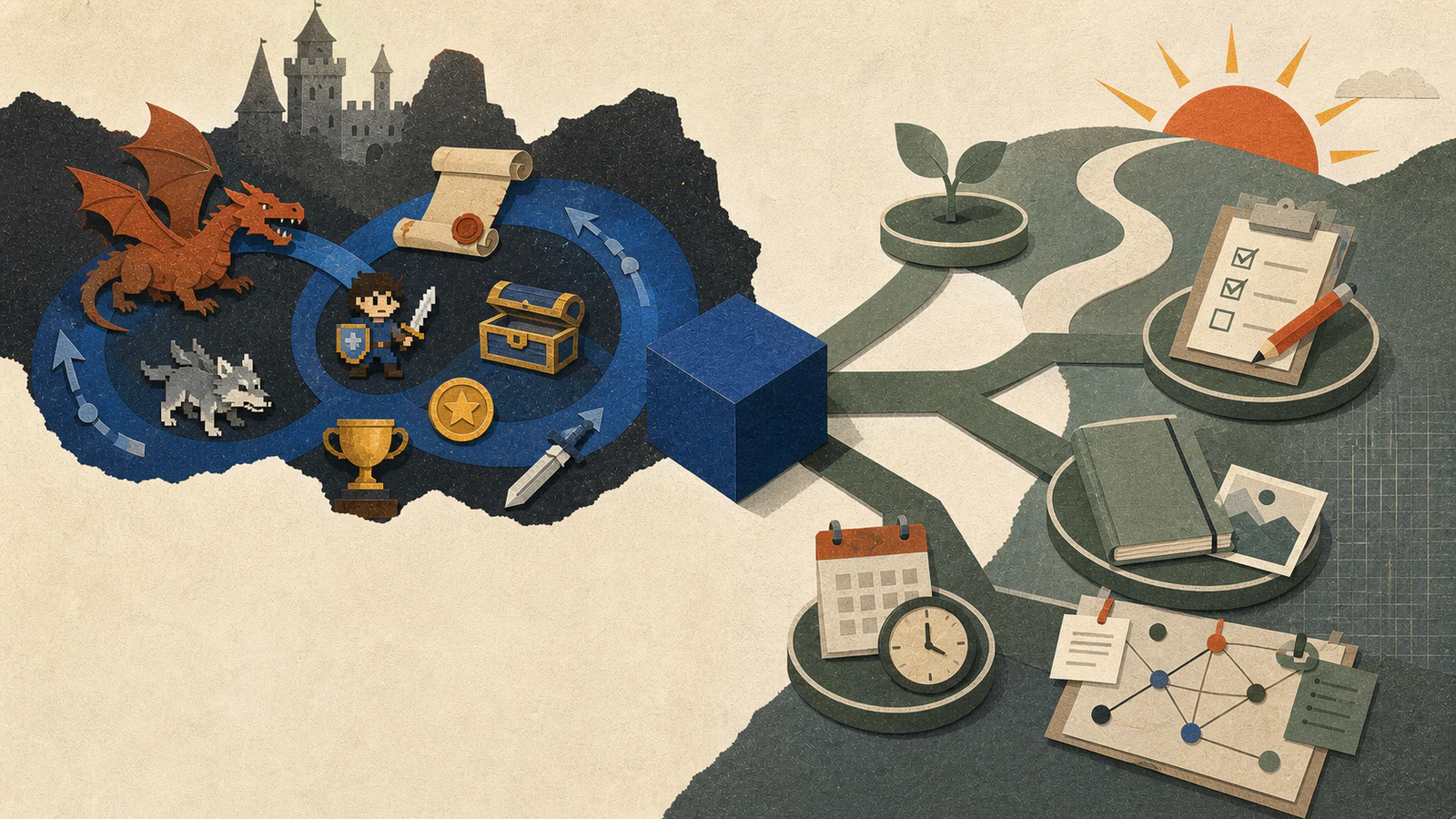
Habitica vs TaskCoach.AI (2026): RPG Tasks or Guided Planning?
Habitica offers the deeper RPG. TaskCoach.AI is the better choice when game mechanics must support serious goals, planning, and follow-through.

AI Planner for ADHD: What to Look For in 2026
Choose an AI planner for ADHD that makes time visible, limits the daily load, breaks down hard starts, recovers after disruption, and keeps you in control.
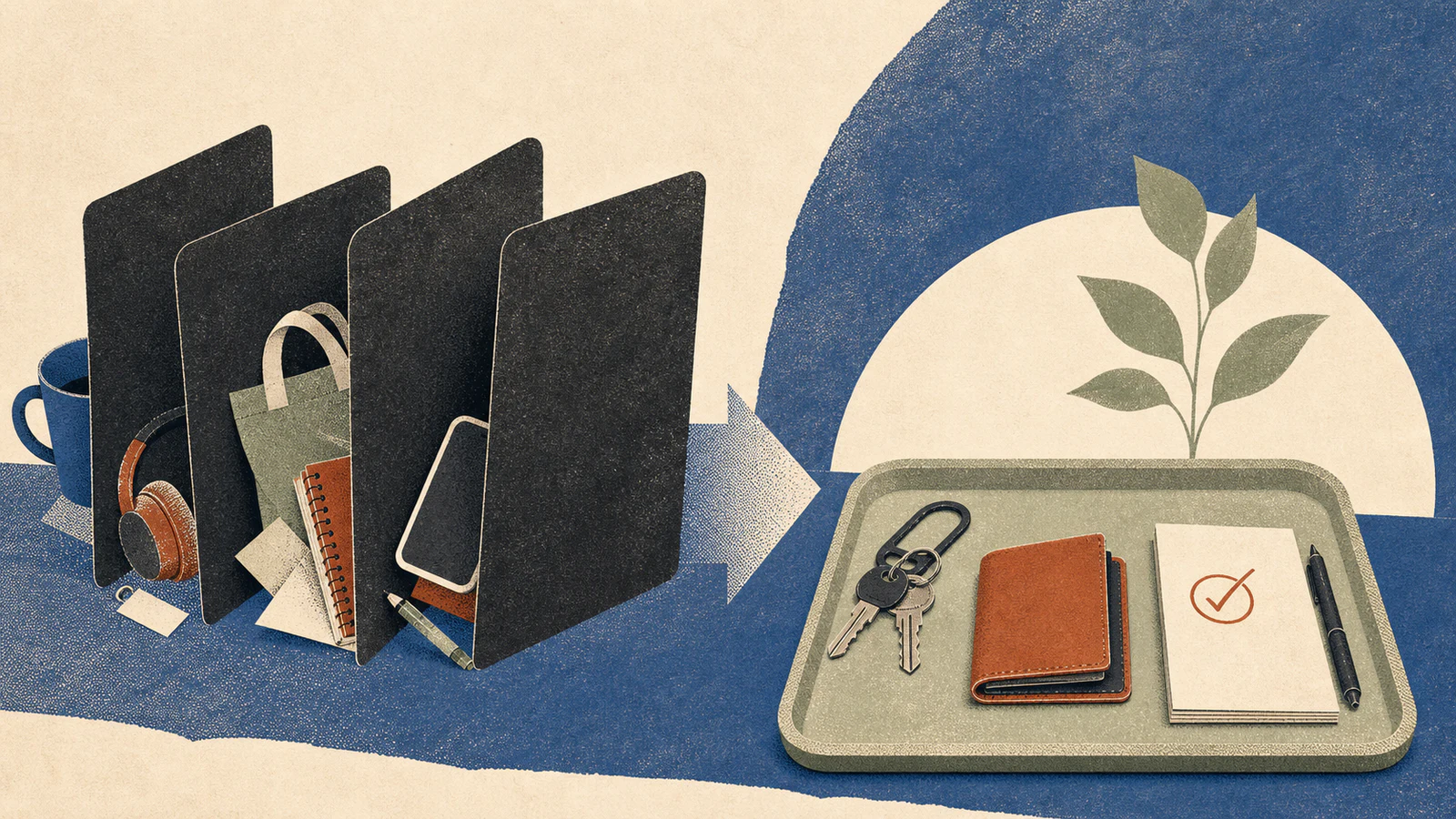
ADHD Object Permanence: Why You Lose Things At Home
Why ADHD brains genuinely can't find what they can't see, plus the 5-part system that cuts how often you lose things by up to 80 percent.

The Dopamine Menu: A Pre-Decided Stimulation Plan for ADHD Brains (With 45 Ideas)
Twenty free minutes, and the phone wins again. Not because scrolling is good, but because it's the only option that asks nothing of you. A dopamine menu fixes the decision, not the dopamine.

The ESFP Playbook: Dream Life, Joy as Strategy, and a Brain That Lives in Real Time
Why the admin pile never gets touched, why joy isn't optional for you, and how ESFPs can build a working life around a brain that's tuned for right now.
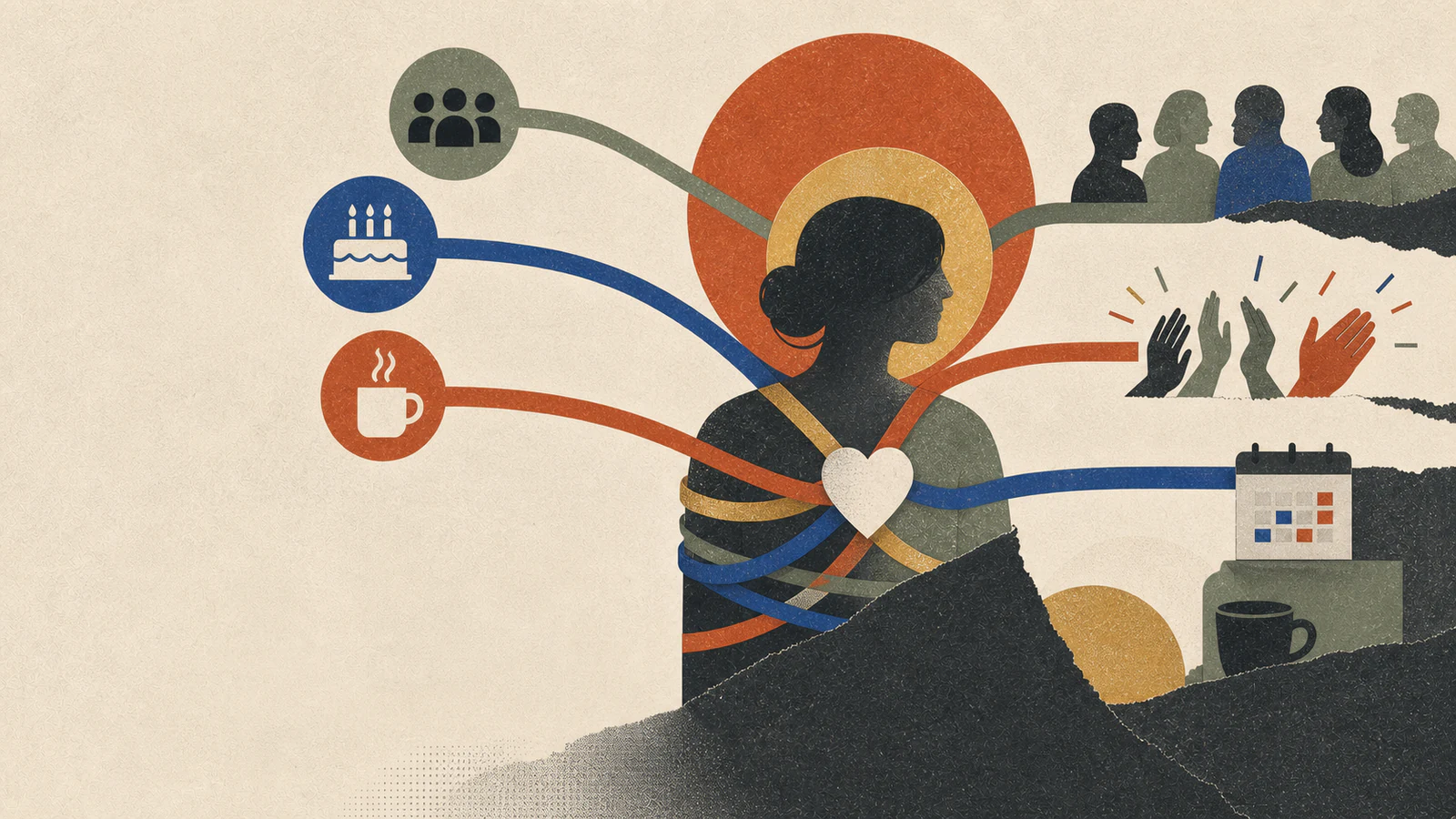
The ESFJ Paradox: You Hold Everyone Together. Who Holds You?
You track everyone's moods, birthdays, and coffee orders. Who tracks yours? Inside ESFJ wiring, the applause loop, and a life with your name back on it.

The ENFJ Paradox: Everyone's Growth Project but Your Own
You can read a room in seconds flat, but not your own exhaustion. Here is the ENFJ guide to reciprocity, real boundaries, and goals that finally belong to you.

The ENFP Field Guide: Dream Life Design for the Brain That Falls in Love with Beginnings
The 2 a.m. projects, the day-five fade, the fear of being "a lot": the neuroscience behind the ENFP brain, and a life design that finally fits it.

The Mood × Energy Matrix: Schedule By State, Not By Calendar
A simple 2×2 grid, mood crossed with energy, predicts which kind of work actually goes well and which falls flat. Most calendars ignore it completely.

The Digital Vision Board That Works (Because It Feeds a Plan)
Picturing your dream outcome can quietly make you try less. Here's how to build a digital vision board that survives the research, by wiring every image to the behavior that actually produces it.

Saying No Without Guilt: The Boundaries Skill Most Adults Were Never Taught
"Just say no" sounds simple until you try it. For most adults raised to be agreeable, it's one of the hardest interpersonal skills to learn. The script, the practice, and why the guilt fades faster than you'd expect.

Emergency Fund: The Boring Buffer That Prevents Financial Disasters
3 to 6 months of expenses in a liquid account. It's the most under-loved move in personal finance, and the one intervention that keeps most disasters from compounding into multi-year setbacks.

The Value Of Time: When To Pay Someone Else And When To DIY
Most people never work out what their time is actually worth, so their spend-versus-DIY decisions stay muddled. Calculate your real hourly rate once and a lot of those calls start making themselves.
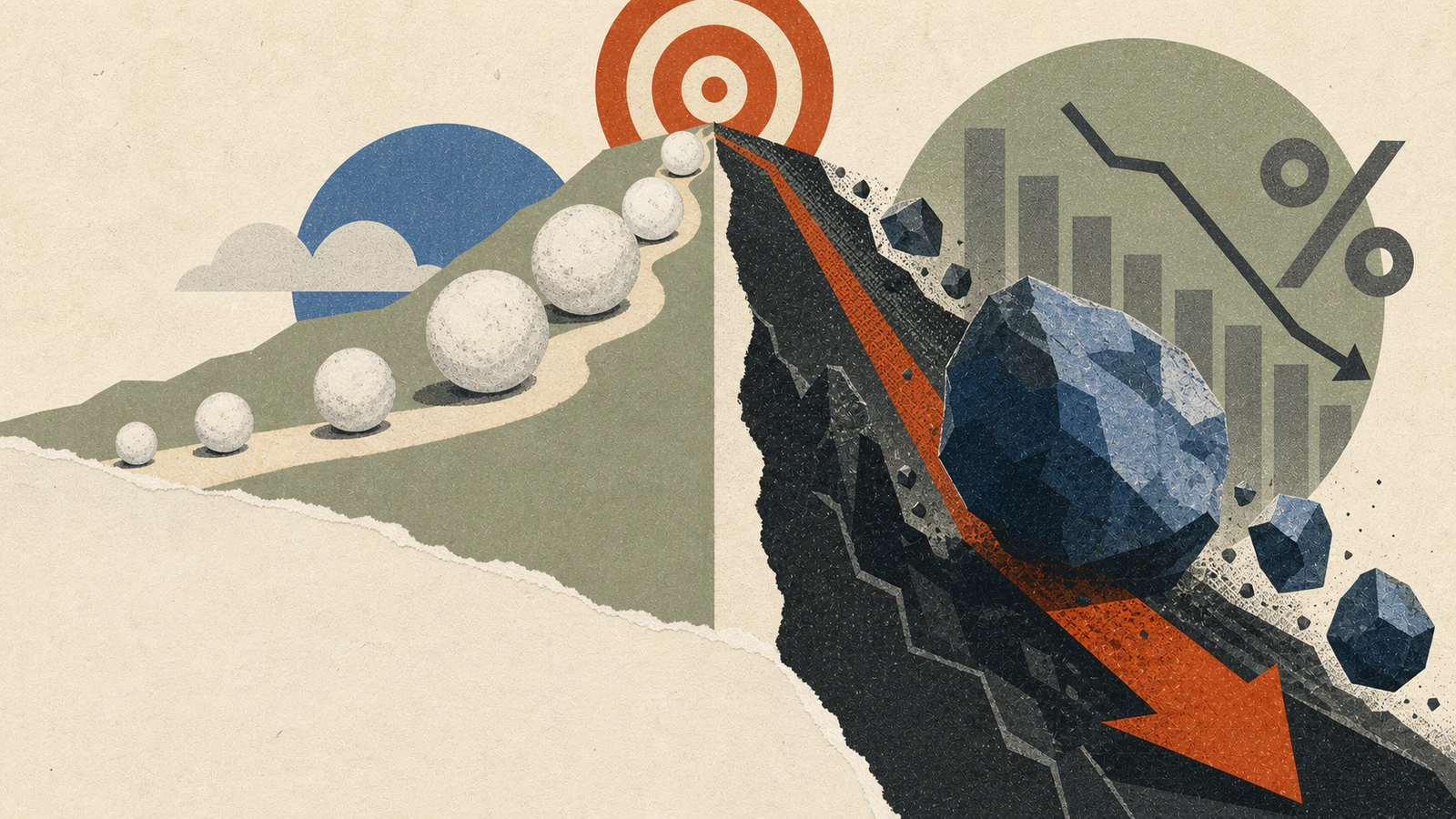
Debt Snowball vs Avalanche: The Math, The Psychology, And The Winner For You
Two ways to pay off debt: smallest balance first (the snowball method) or highest interest rate first (the avalanche method, which is mathematically optimal). The math favors avalanche. The behavioral research favors snowball. Here's why both are right, depending on who you are.
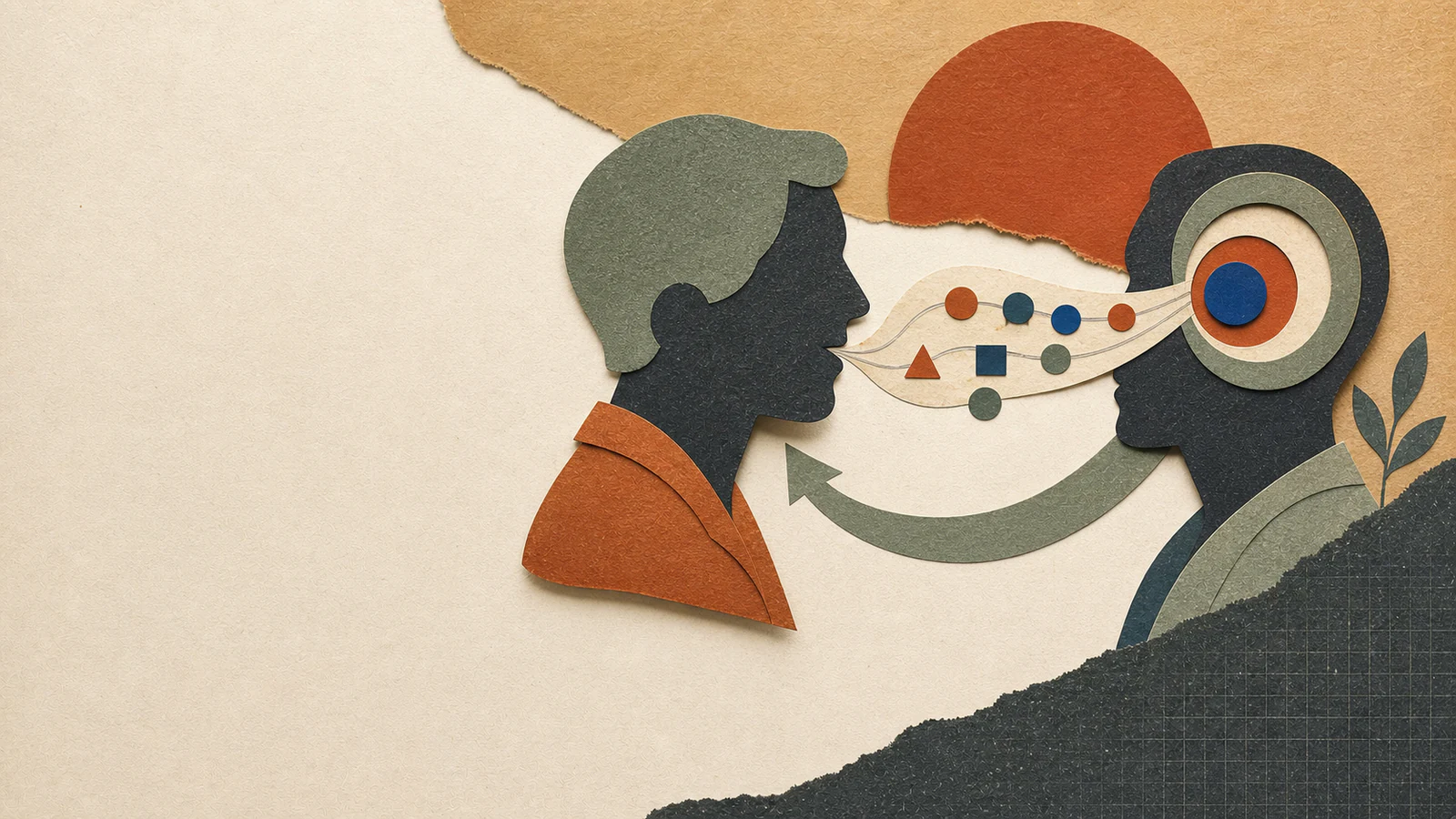
Deep Listening: Carl Rogers's Method, Stripped For Adults Who Want To Actually Be Heard
Most adult conversation is two people taking turns waiting to talk. Carl Rogers's empathic reflection technique, refined over 70 years of psychotherapy, is a learnable skill that can transform your relationships in weeks.

Relationship Maintenance: Why Time Together Matters Less Than What Happens In It
The small maintenance habits most couples never get around to practicing predict long-term relationship satisfaction far more reliably than how many hours a couple spends together.

Daily Mood Tracking: What 8 Studies Show About Naming What You Feel
A 2024 review of 8 randomized trials found that the simple habit of tracking your mood daily builds emotional awareness and reduces depressive symptoms, across formats and populations, for almost no cost.

From Door-To-Door Fax Salesperson To Billion-Dollar Founder: Sara Blakely's 2-Year Iteration
Sara Blakely was 27, selling fax machines door-to-door in Florida, with $5,000 saved and no business background. Two years later she'd built Spanx in her spare time. By 41 she was the youngest self-made female billionaire in the world. Here's the specific, iterative process that got her there.

Conflict Repair: The Gottman Research On What Makes Couples Survive
Four decades of marital research at the Gottman Institute identified the small number of behaviors that predict whether a marriage survives, and the specific repair habits that protect against the ones that don't.

Attachment Styles: Secure, Anxious, Avoidant, and How Adults Actually Change Them
Attachment theory started with infants, but it explains a lot about your adult relationships. The four styles, where they come from, and how people actually move from insecure to secure.

Vulnerability As Courage: What Brené Brown Got Right About Connection
Two decades of interviews at the University of Houston kept turning up the same finding: the people who felt most loved and seen were the ones willing to be vulnerable, not the ones with the best armor. Here's the research behind an idea everyone's heard of and few actually practice.

Why Gamified Habits Feel Like Cheating
If you've ever wondered why a streak-based habit feels almost automatic while your 'discipline' habits feel like a fight, the answer is that one of them is using a quiet shortcut your brain can't say no to. Here's what that shortcut actually does for you, and why it stops feeling like cheating once you start using it on purpose.

Goal-Setting Science: Why Specific, Difficult Goals Beat SMART
Locke and Latham spent 35 years proving that specific, difficult goals beat vague or easy ones, reliably. SMART is a watered-down version of that research that quietly drops the one variable that actually matters: difficulty.

Behavioral Activation: Why Doing Lifts Mood (Not The Other Way Around)
Peter Lewinsohn's 1970s research flipped the conventional wisdom on depression: doing things first is what makes you feel better, not the reverse. Behavioral Activation is now one of the most well-supported treatments for depression, sometimes outperforming SSRIs and CBT.

Affective Variability: Why Stable Mood, Not Just Happy Mood, Predicts Mental Health
Two people can log the exact same average mood over a week and end up with wildly different mental health. The difference comes down to how much your mood swings day to day, and whether a bad day tends to drag the next one down with it.

Emotional Granularity: Why Naming What You Feel Changes What You Can Do With It
Lisa Feldman Barrett's research on emotional granularity shows that people who can tell "frustrated" apart from "tired" and "restless" make better decisions, recover from bad days faster, and rely less on alcohol and medication to cope.

The Five Love Languages, Revisited: Useful Framework, Questionable Research
Gary Chapman's framework has sold more than 20 million copies, and it's genuinely useful, just not for the reason people think. The research behind five distinct 'love languages' is much thinner than the marketing lets on. Here's what to keep and what to let go.
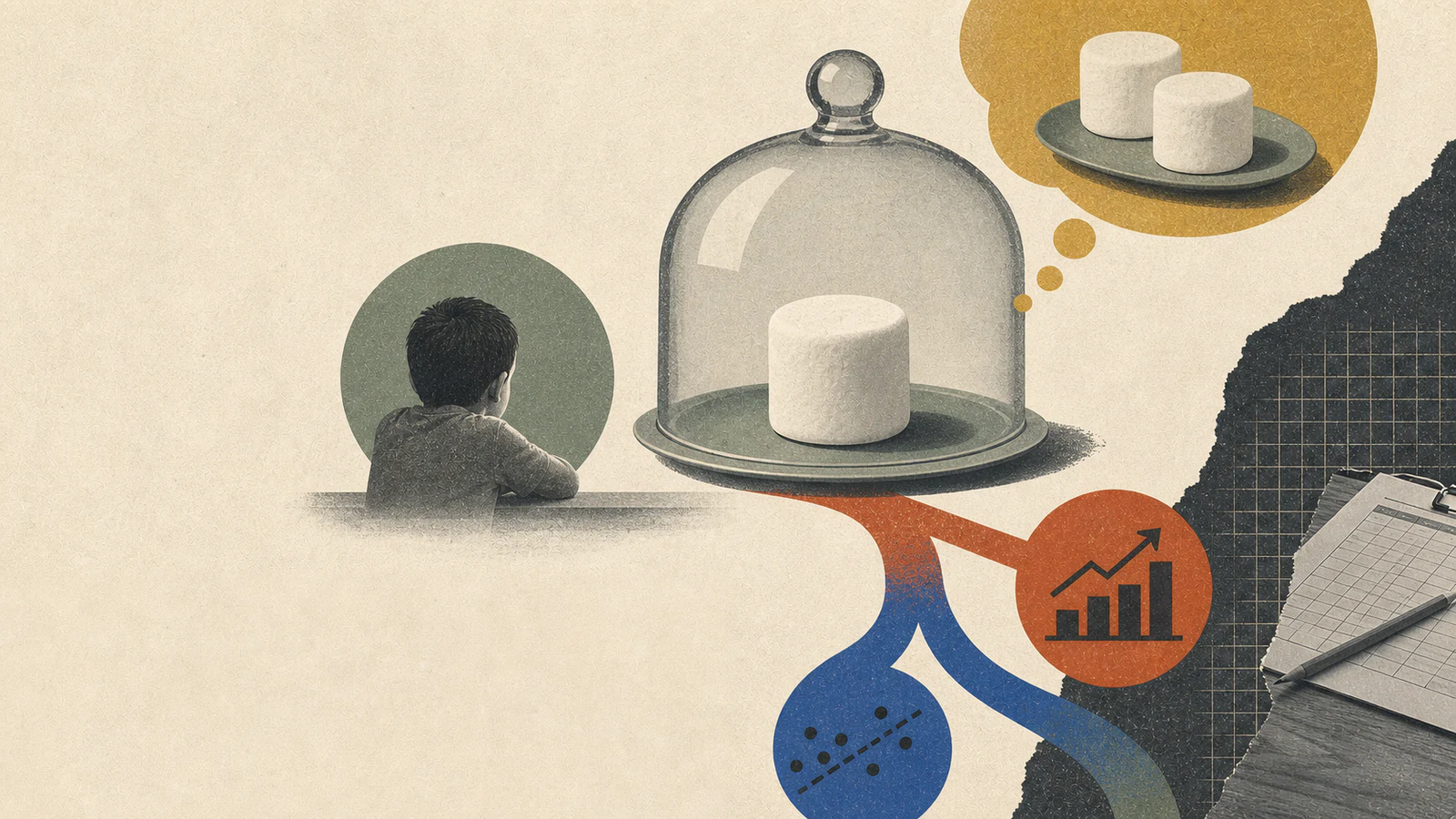
The Marshmallow Test, Revisited: What Mischel Actually Found (And Didn't)
Everyone knows the marshmallow test, and almost everyone has the takeaway wrong. Here's what Walter Mischel's original study actually found, what a much bigger 2018 replication found when it tried to repeat it, and what the data really says about willpower in kids and adults.
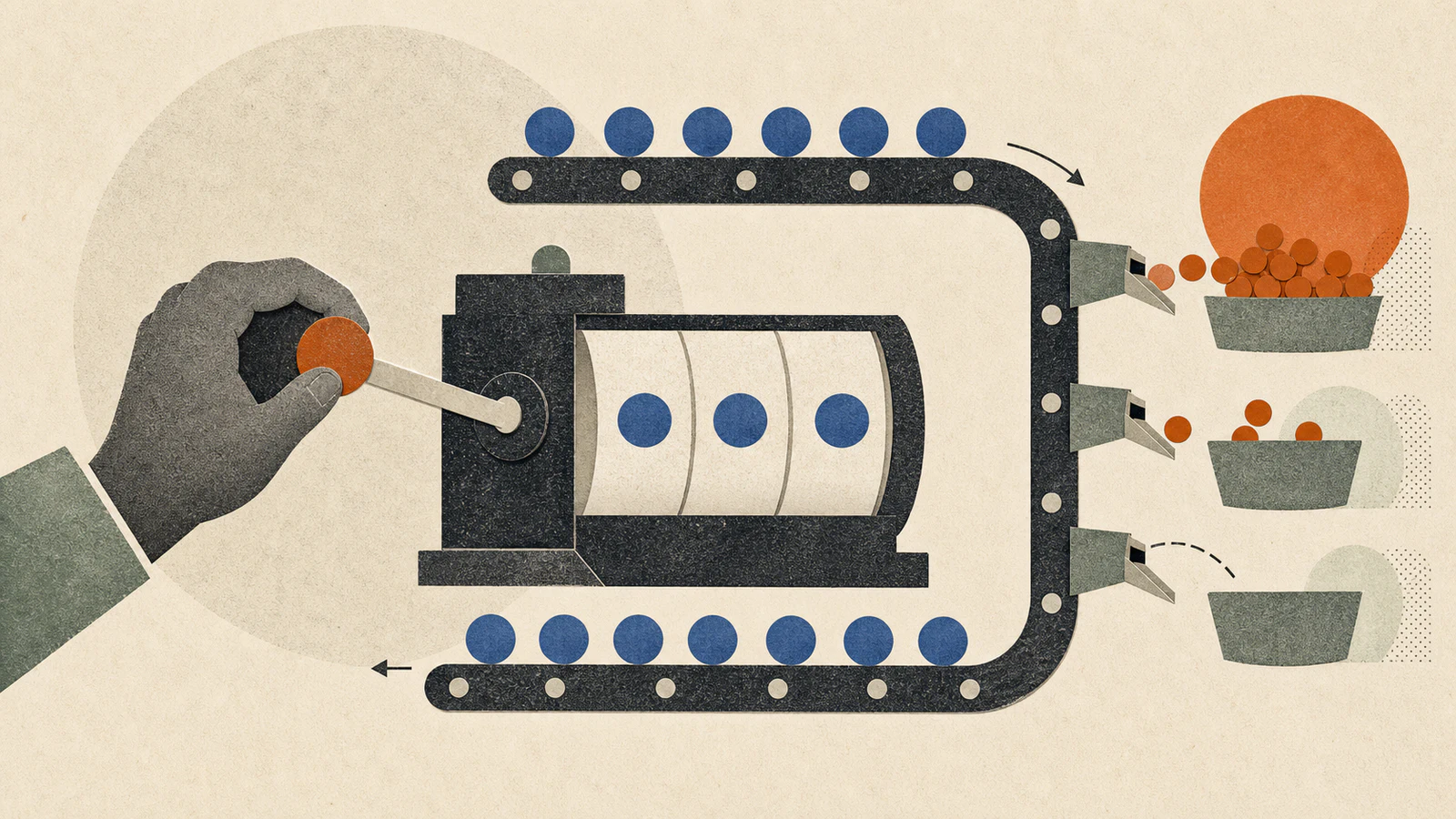
The Skinner Curve: Why Variable Rewards Make Behaviors Stick
The most addictive reward schedule in behavioral psychology, explained in plain English, plus a five-step way to point it at goals that are actually good for you.
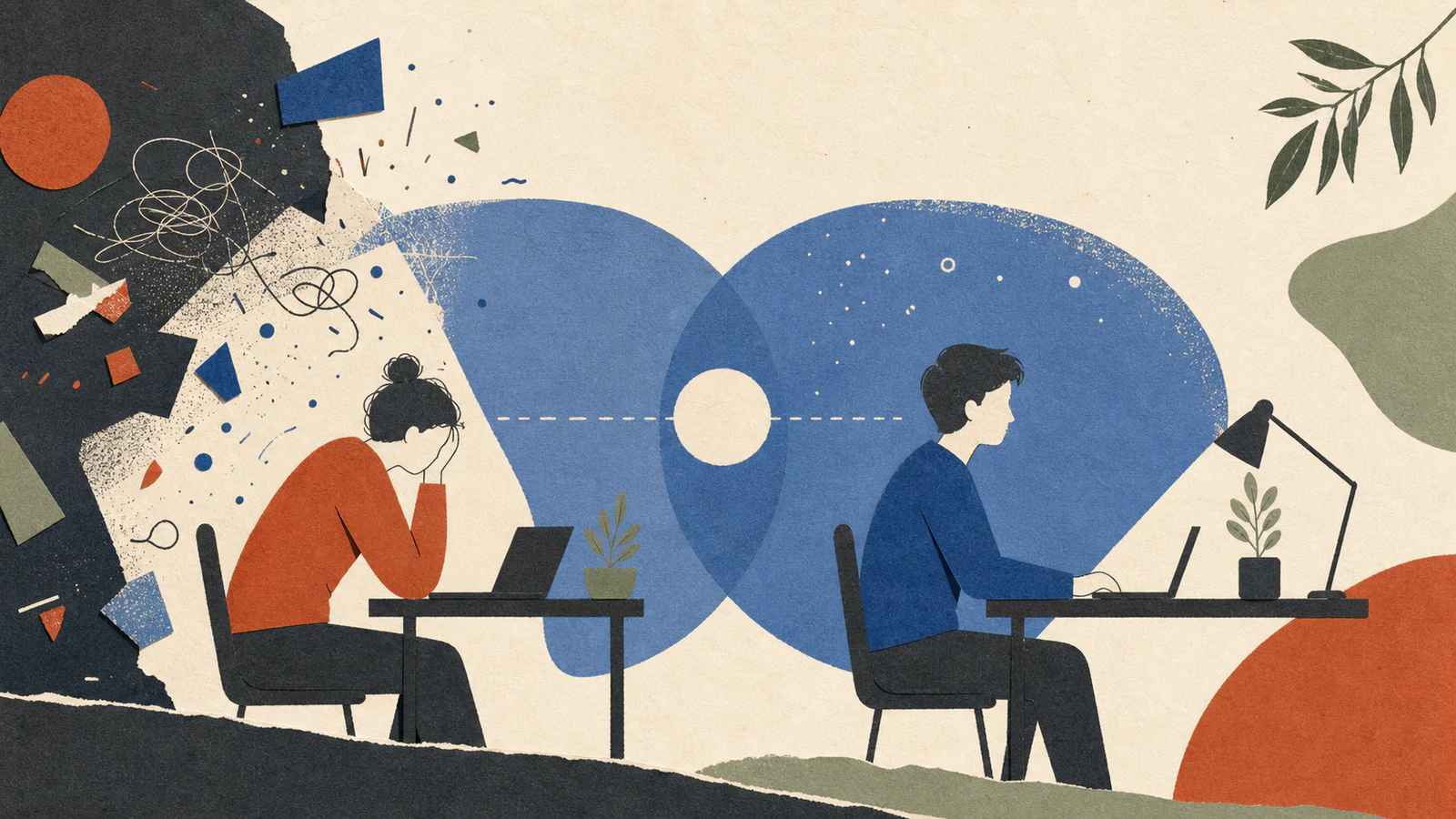
Body Doubling: The ADHD Productivity Trick That Actually Works
Why ADHD brains focus better with another person in the room, even a stranger. The science behind social co-regulation, plus 5 ways to install body doubling into your routine.