Breathe, Dear One. The Trigger Is Small. The Body Response Is Real. The Stack Helps Soften The Spike.
If you have read our piece on Rejection Sensitive Dysphoria, you understand the mechanism: the ADHD brain runs a faster, more intense threat-detection response, particularly to social cues. Cortisol spikes within 1-2 seconds of the trigger. The 90-minute cortisol peak window is the critical period during which most damage is done.
The behavioral protocol from that piece (name the state, slow the exhale, wait 90 minutes, reality-test, track) is the foundation. The supplement stack below adds a layer of physiological support that lowers the amplitude of the cortisol spike and shortens the recovery curve.
Standard disclaimer: this is not medical advice. RSD-level anxiety often warrants psychiatric evaluation. The supplements supplement; they do not substitute.

1. L-Theanine: The Acute Calming Compound
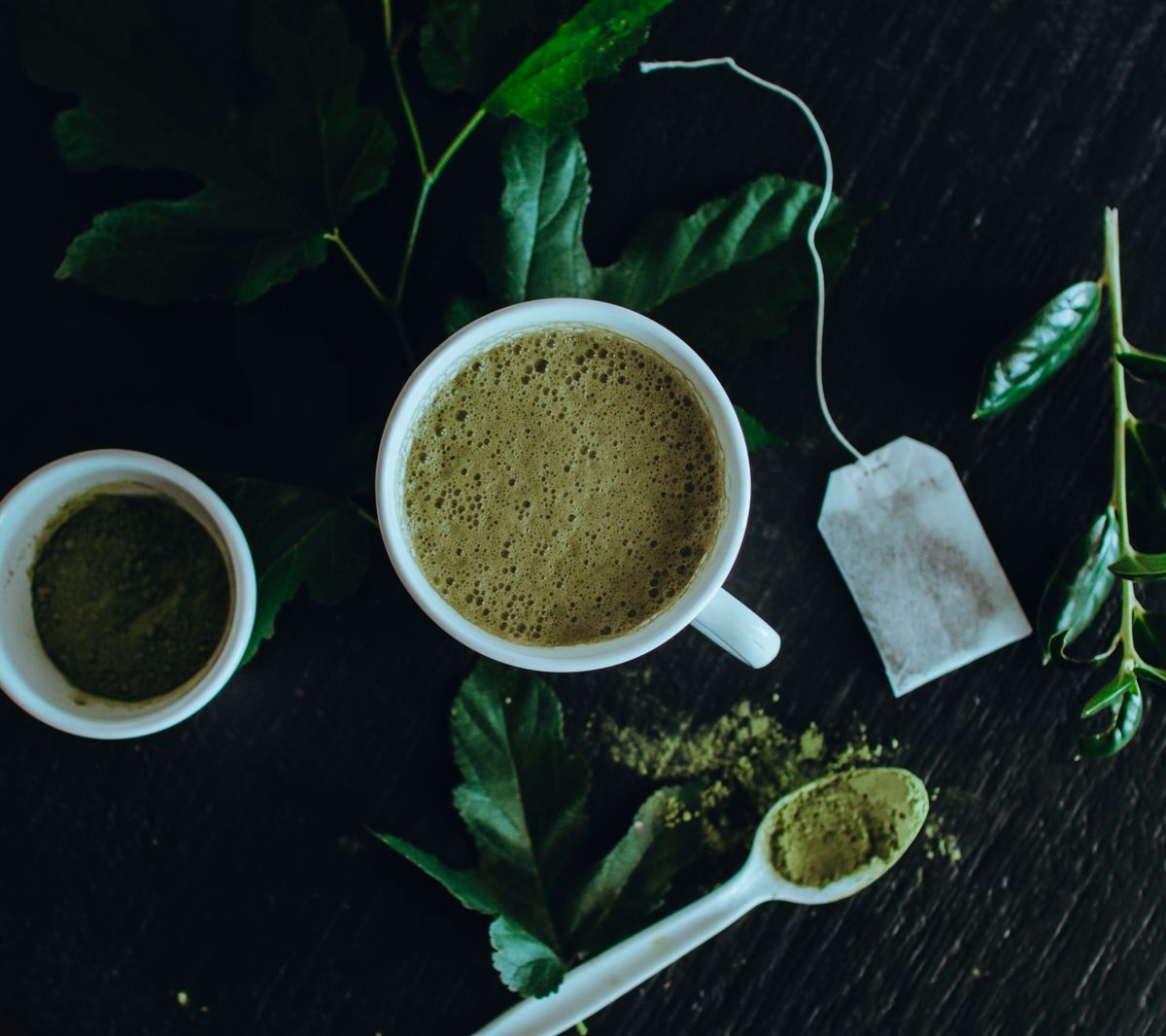
L-theanine appeared in our piece on the deep work stack as a caffeine smoother. In the RSD stack it stands alone, used acutely during the spike.
Mechanism: L-theanine increases alpha brain wave activity, the EEG signature of "relaxed alertness." Yoto et al. (2012) demonstrated reduced cortisol and subjective stress in response to a psychological stressor in subjects who took 200mg L-theanine. The onset is fast (30-45 minutes).
The mechanism appears to involve modulation of glutamate and GABA receptors, with downstream effects on dopamine and serotonin signaling.
Dosing for RSD: 200-400mg taken as soon as you recognize an RSD spike has begun. The Step 1 of the RSD protocol ("name the state in under 10 seconds") is the catching window; the L-theanine goes in shortly after.
Timing: Can also be taken prophylactically in the morning during high-RSD-risk periods (anticipated difficult conversation, performance review, family event).
Caveats: L-theanine is well-tolerated. Some users report mild headache at very high doses.
2. Magnesium L-Threonate: The Brain-Penetrant Magnesium
We covered magnesium broadly in the ADHD supplement stack. For anxiety and emotional regulation specifically, L-threonate is the form to know.
Mechanism: Slutsky et al. (2010), in research at MIT, demonstrated that magnesium L-threonate is the only commercially available magnesium form that significantly raises brain magnesium levels (rather than just serum). Brain magnesium modulates NMDA receptor activity, which is central to anxiety and rumination loops.
The downstream effects include reduced cortisol baseline, improved sleep architecture, and reduced subjective anxiety in some user populations.
Dosing: 1.5-2g magnesium L-threonate daily (delivers ~144mg elemental magnesium). Split AM and PM with food. Note that this is daily maintenance, not acute use.
Caveats:
- Higher cost per dose than other magnesium forms.
- Effects compound over 4-6 weeks; not an acute anxiolytic.
- Can be combined with magnesium glycinate at bedtime for sleep (cumulative magnesium dose should stay under ~600mg elemental/day).
3. Taurine: The GABA-Modulator With Cardiac Calming

Taurine is a sulfur-containing amino acid that has a much more interesting profile than its energy-drink reputation suggests.
Mechanism: Taurine is a partial agonist at GABA-A receptors and modulates glycine receptors. It also has direct cardiovascular effects, lowering heart rate and blood pressure modestly. The combination produces a "settled body" effect that overlaps with RSD's somatic component.
Wu et al. (2017) and others have demonstrated anxiolytic effects in animal models; human data is thinner but consistent.
Dosing: 1-3g taurine, taken acutely during an RSD spike or as a daily morning dose during high-stress periods. Bioavailability is good either with or without food.
Caveats: Very well-tolerated. At high doses (5g+) some users report drowsiness or fatigue.
Synergy: Stacks well with L-theanine and magnesium for acute spike management.
4. Saffron Extract: The Mood Compound With Surprising Evidence
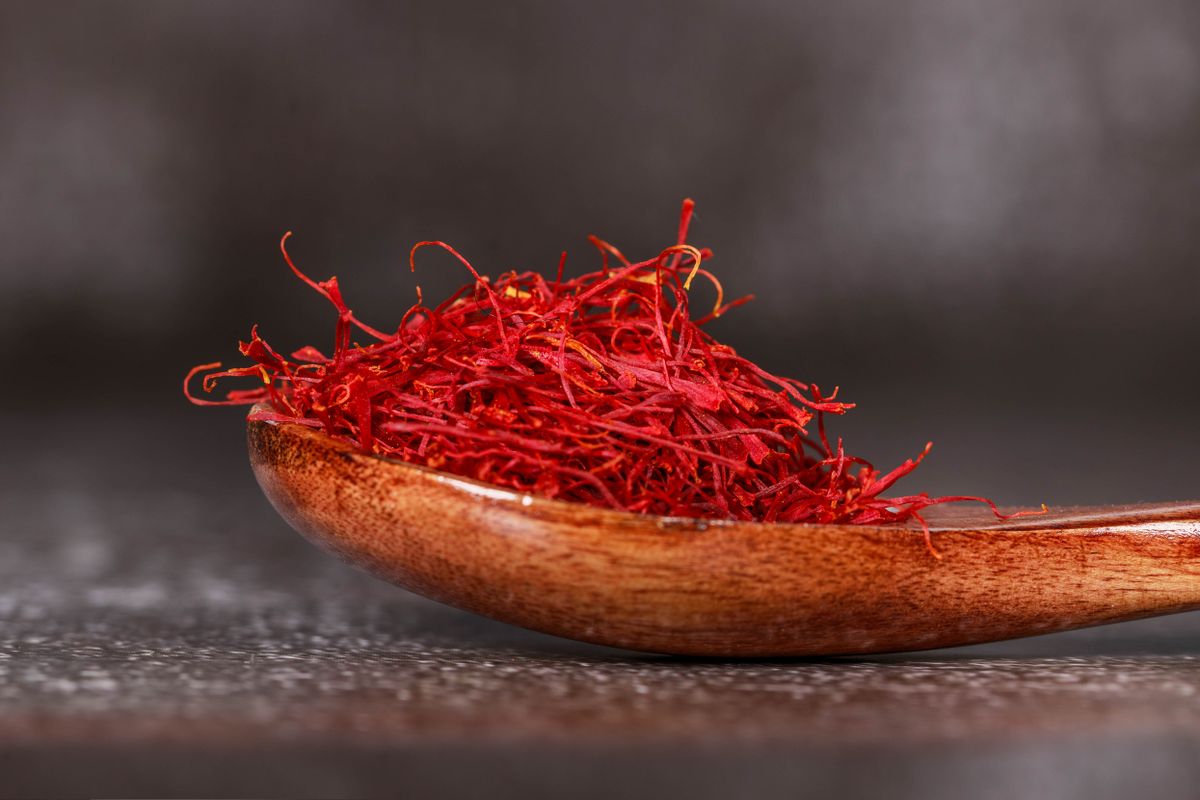
Saffron (Crocus sativus) is the spice; the extract is what has been studied clinically for mood and anxiety effects.
Mechanism: The active compounds (crocin and safranal) appear to act on serotonin reuptake (mild SSRI-like activity) and GABA modulation. Multiple human trials have shown effect sizes for depression and anxiety comparable to low-dose fluoxetine (Lopresti & Drummond, 2014; Khazdair et al., 2015).
The mechanism is not fully understood, but the clinical results are reproducibly meaningful. Saffron has emerged as one of the more promising plant-based mood compounds in the past decade of research.
Dosing: 28-30mg/day of a standardized extract (look for "Affron" or "Satiereal" branded extracts with verified safranal content). Usually one capsule daily, with or without food.
Effect window: 4-8 weeks for cumulative effects on baseline mood. Some acute effects on anxiety within 1-2 hours.
Critical contraindications:
- SSRI medications: Serotonergic stacking risk; consult prescriber.
- MAOIs: Hard contraindication.
- Pregnancy: Saffron has uterine-stimulating effects at high doses; conservative use recommended even at supplement doses.
- Bipolar disorder: Could theoretically trigger mood shifts; psychiatric supervision needed.
The Protocol Around RSD Spikes
This is the structure that pairs with the behavioral protocol from our RSD piece.
Daily baseline (morning, with breakfast): 1g magnesium L-threonate + 28mg saffron extract.
Daily baseline (afternoon, with lunch): 1g magnesium L-threonate + 1g taurine.
Acute spike (within 5 minutes of recognition): 200-400mg L-theanine + 1-2g additional taurine. Skip the additional dose if you have already taken your afternoon taurine within the past 2 hours.
During the 90-minute peak window (the no-decisions window from the RSD protocol): No new decisions, no new substances, no impulsive actions. Let the stack and the breathwork do the regulation work.
What This Stack Will Not Fix
1. The underlying RSD wiring. RSD is a real neurological trait that does not "go away" with supplements. It can be managed. The stack lowers the amplitude of the spikes; the architecture catches the spikes earlier.
2. Clinical anxiety disorders. Generalized anxiety, panic disorder, and PTSD often warrant clinical-grade intervention. A licensed psychiatrist or therapist can identify what is RSD versus what requires more substantial treatment.
3. Sleep deprivation. A poorly-slept ADHD brain runs more reactive RSD spikes regardless of the supplement protocol. Address sleep first (see our ADHD sleep stack).
What I Would Avoid
CBD products: Mixed evidence, highly variable quality, often expensive for the effect produced.
Kava: Effective anxiolytic but produces tolerance and has rare but documented hepatotoxicity. Not for daily use.
5-HTP: Serotonergic stacking risk with many medications; bioavailability and conversion to brain serotonin is variable.
High-dose B vitamins as "stress support": Mostly produces expensive urine; specific deficiencies should be addressed individually.
Where TaskCoach Plays
The Mind pillar in TaskCoach.AI can track daily mood, RSD episode frequency, and supplement adherence. The Journal mood ratings reveal whether the supplement protocol is reducing spike amplitude over 30-60 day windows. Without instrumentation, the slow-but-real improvement is hard to perceive day to day.
Sky (the humanistic coach) is calibrated to surface the spike patterns in conversation, so the user catches them earlier each week. The architecture is the regulation layer above the supplements.
A Gentle Reminder
The RSD is not a flaw. It is a faster threat-detection system in a brain wired more sensitively than the neurotypical baseline. The supplements soften the edges; the protocol catches the spikes; the practice over months gradually shifts the body's baseline toward less reactivity.
Be patient with yourself. The system is doing its best with the wiring it has. 🌿