I Will Be Operational. Most "ADHD Supplement" Content Is Nonsense. Four Compounds Have Real Evidence.
The supplement industry has built a parallel economy around ADHD adults looking for non-stimulant alternatives. Most of what you find on TikTok or in Reddit megathreads has thin or zero clinical evidence. A small number of compounds have substantial research behind them and reproducible effect sizes on at least some ADHD symptom clusters.
I will walk through the four with the strongest evidence base. The protocol assumes you have already established the substrate (sleep, exercise, real food, externalized environment from our piece on the ADHD tax). Supplements compound on top of substrate work. They do not replace it.
Standard disclaimer: nothing here is medical advice. Talk to a prescriber, especially if you take ADHD medication. Below is what the research actually shows.

1. Omega-3 (EPA-Dominant): The Most-Studied ADHD Supplement
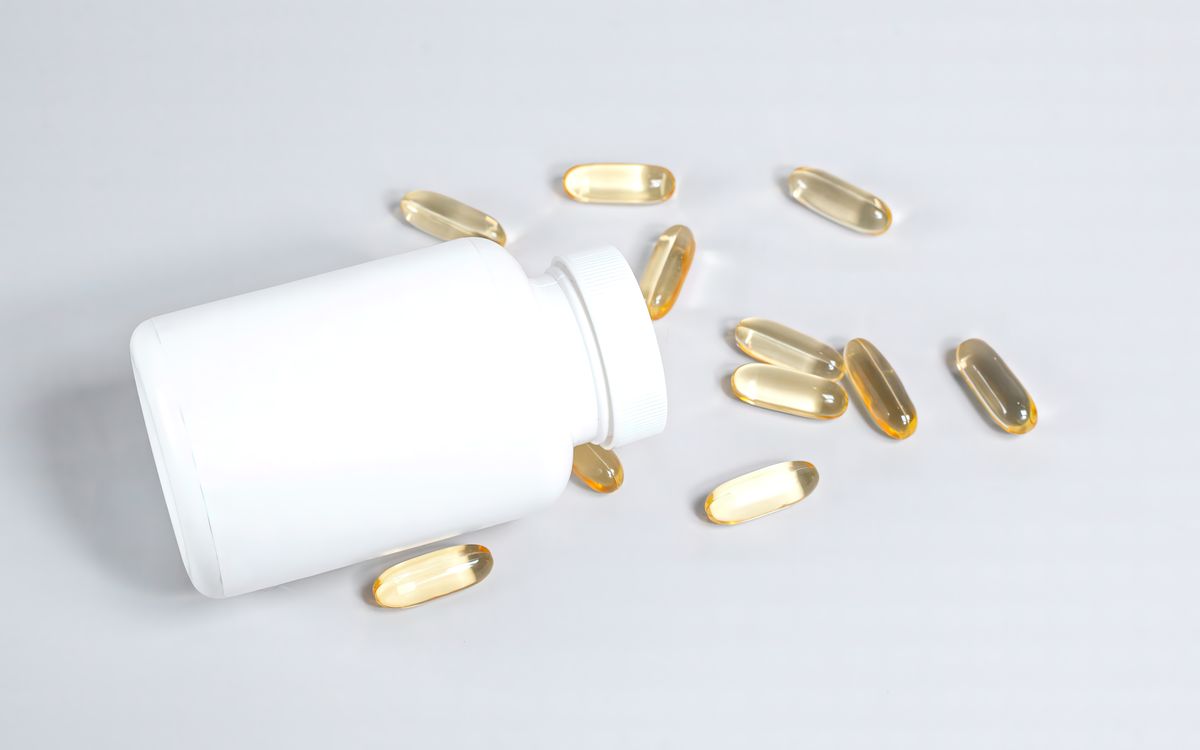
The clinical literature on omega-3 fatty acids in ADHD is now substantial. A 2011 meta-analysis by Bloch and Qawasmi in the Journal of the American Academy of Child & Adolescent Psychiatry combined 10 trials and found a small but statistically significant effect of omega-3 supplementation on ADHD symptoms.
Active compounds: EPA (eicosapentaenoic acid) and DHA (docosahexaenoic acid). The ADHD literature consistently shows EPA is the driver of symptom improvement, not DHA. This matters because most over-the-counter fish oil is DHA-dominant.
Mechanism: EPA modulates prostaglandin signaling and reduces neuroinflammation. ADHD adults show elevated inflammatory markers in many studies; the EPA effect appears to act through this pathway more than through dopamine directly.
Dosing: 1,000-2,000mg/day combined EPA+DHA, with EPA:DHA ratio of at least 2:1. Brands matter: look for IFOS-certified or USP-verified to avoid oxidized oil (rancid fish oil is worse than no fish oil).
Effect size and timeline: Modest. Expect to evaluate at 90 days, not 30. Bloch's meta-analysis put the effect size at roughly 0.3 standard deviations, which is smaller than stimulant medication (~1.0+) but real.
2. Magnesium: The Most Overlooked Deficiency In ADHD Adults
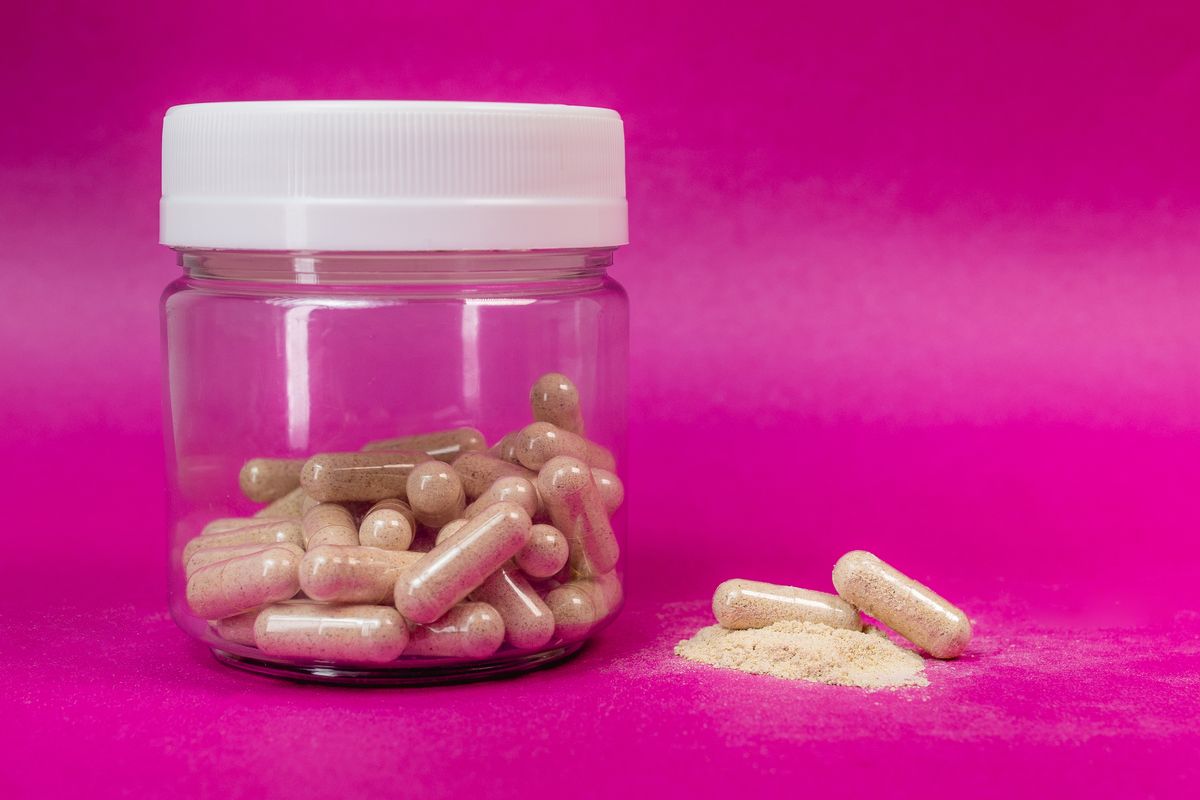
Magnesium deficiency is common in the general population (estimated 50%+ of US adults are below RDA) and disproportionately so in ADHD adults. Mousain-Bosc et al. (2006) demonstrated that ADHD children showed elevated rates of magnesium deficiency, and supplementation produced measurable symptom improvements.
Mechanism: Magnesium is a cofactor for over 300 enzymatic reactions, including dopamine synthesis (tyrosine hydroxylase requires magnesium) and GABA-A receptor function. Deficiency produces a state that overlaps symptomatically with ADHD: irritability, restlessness, sleep disturbance, anxiety.
Form matters substantially:
- Magnesium glycinate: Best for anxiety, sleep, GABA support
- Magnesium L-threonate: The only form shown in trials to cross the blood-brain barrier efficiently (Slutsky et al., 2010), useful for cognitive support
- Magnesium citrate: Decent absorption, often used for general repletion
- Magnesium oxide: Poorly absorbed, mostly a laxative — avoid
Dosing: 200-400mg/day of elemental magnesium. Split AM/PM. Glycinate is the safest first choice. The bowel-tolerance ceiling is typically around 400-600mg/day; exceeding produces loose stools.
Effect size and timeline: 4-8 weeks to evaluate. Sleep quality often improves within 1-2 weeks; cognitive effects take longer.
3. L-Tyrosine: The Dopamine Precursor
Tyrosine is the amino acid the brain uses to synthesize dopamine and norepinephrine. The hypothesis: ADHD brains running low dopamine availability may benefit from substrate-level support.
The evidence is mixed but suggestive. Banderet & Lieberman (1989) demonstrated cognitive performance improvements under stress with tyrosine supplementation; several studies have shown small benefits in working memory and attention under cognitive load.
Mechanism: Tyrosine → L-DOPA → Dopamine. Provides the upstream substrate. Notably, the conversion is rate-limited by tyrosine hydroxylase, which requires iron, BH4, and oxygen as cofactors. Adding tyrosine without these cofactors produces diminishing returns.
Dosing: 500-2,000mg/day on an empty stomach, in the morning. Stacks well with stimulant medication for some users (consult prescriber).
Critical contraindications:
- MAOI medications: Hard contraindication, hypertensive crisis risk
- Hyperthyroid conditions: Tyrosine is also a precursor to thyroid hormone
- Phenylketonuria (PKU): Avoid
Effect size and timeline: Acute (same day) for some users on stress-load days. Most useful as a "PRN" tool for high-cognitive-demand mornings rather than a daily supplement.
4. Zinc: The Cofactor For Dopamine And Melatonin Synthesis

Zinc deficiency correlates with ADHD severity in multiple studies (Arnold & DiSilvestro, 2005). The mechanism is partly cofactor support: zinc is required for tyrosine hydroxylase activity (dopamine synthesis) and for melatonin synthesis (sleep regulation).
Mechanism: Zinc fingers (literal protein motifs) are involved in regulation of dopamine receptors and transporters. Zinc also modulates NMDA receptor activity.
Form matters:
- Zinc picolinate or zinc bisglycinate: Best absorbed
- Zinc oxide: Poor absorption, common in cheap multivitamins
- Zinc gluconate: Adequate
Dosing: 15-30mg/day of elemental zinc, with food (zinc on an empty stomach causes nausea). Long-term supplementation requires monitoring copper status, as zinc and copper compete; consider including 1-2mg copper if supplementing zinc beyond 30 days.
Effect size and timeline: Modest. Studies show ~10-15% symptom improvement in deficient subjects; minimal benefit in already-sufficient subjects. Get a serum zinc level if possible to confirm deficiency before chronic supplementation.
The Self-Experiment Protocol
Run the stack as a structured n-of-1 trial, not as a vibe.
- Establish baseline. Two weeks of tracking ADHD symptoms (use ASRS scale or daily 1-10 ratings on focus, mood, energy, sleep) before any change.
- Add one compound at a time. Omega-3 first (most evidence). Wait 60 days. Re-evaluate.
- Layer the next compound. Magnesium glycinate. Wait 30 days. Re-evaluate.
- Continue or drop. Anything that does not show a clear measurable effect at 60+ days probably is not working for you. Drop it.
Most users find one or two compounds in the stack help meaningfully and the others do nothing. Without structured tracking you cannot distinguish them.
Where TaskCoach Plays
The Body pillar in TaskCoach.AI can track daily supplement adherence with streak protection. The Mood and Energy tracking in the Journal lets you see the trend lines that would otherwise be invisible across 30-90 day windows. The pillar dashboard makes the self-experiment visible.
This is the n-of-1 trial running with proper instrumentation, not vibes.
The Bottom Line
Four supplements with real evidence: omega-3 (EPA-dominant), magnesium glycinate or L-threonate, L-tyrosine for cognitive-load days, zinc for confirmed deficiency. Run them as a structured experiment, not all at once. Track the data. Drop what does not work.
Supplements are the icing. The substrate work (sleep, exercise, externalized environment) is the cake. Bake the cake first.