I Will Be Operational. The Deep Work Stack Lowers The Cognitive Cost Of Long Sessions. It Does Not Generate The Sessions.
If you have read our pieces on hyperfocus and the ADHD movement protocol, you understand the architecture: morning aerobic, protein-anchored breakfast, externalized priorities, environmental friction-removal, then 60-90 minute deep work blocks. The supplement stack below is the additive layer that extends focus duration once the architecture is in place.
The stack below has the strongest research support for sustained cognitive performance. Most other "nootropic" compounds marketed for focus have either thin evidence or unacceptable side-effect profiles for daily use.
Standard disclaimer: not medical advice. Below is what the research supports.

1. L-Theanine + Caffeine: The Best-Studied Synergy

The combination of L-theanine and caffeine is the most reproducibly effective focus stack in the cognitive performance literature. Most other stacks layer onto this base.
Active compounds: L-theanine (amino acid found primarily in green tea), caffeine (alkaloid).
Mechanism:
Caffeine alone produces alertness via adenosine receptor antagonism, but at the cost of jitter, anxiety, and a focus quality that is wide rather than deep. L-theanine alone produces alpha brain wave activity (the "relaxed alertness" state) but does not produce the energy spike.
Together, the two compounds produce sustained, low-anxiety alertness with measurably improved attention and reaction time. Owen et al. (2008) and Haskell et al. (2008) demonstrated the synergy across multiple cognitive tasks. The L-theanine smooths the caffeine response curve.
Dosing: 100mg caffeine + 200mg L-theanine, 30-45 minutes before deep work. The 2:1 theanine-to-caffeine ratio is the well-studied dose. Some users need to lower caffeine to 50-75mg if sensitive.
Timing: Morning or early afternoon. Cutoff 8 hours before bed (covered in our piece on ADHD sleep).
Caveats:
- Caffeine tolerance builds. Cycle off one day per week (Sunday) to preserve sensitivity.
- Half-life is ~5 hours; sensitive users should treat 8 hours pre-bed as a minimum.
- L-theanine alone produces the relaxation effect; some users prefer 200mg theanine without caffeine for afternoon focus sessions.
2. Alpha-GPC: The Acetylcholine Precursor
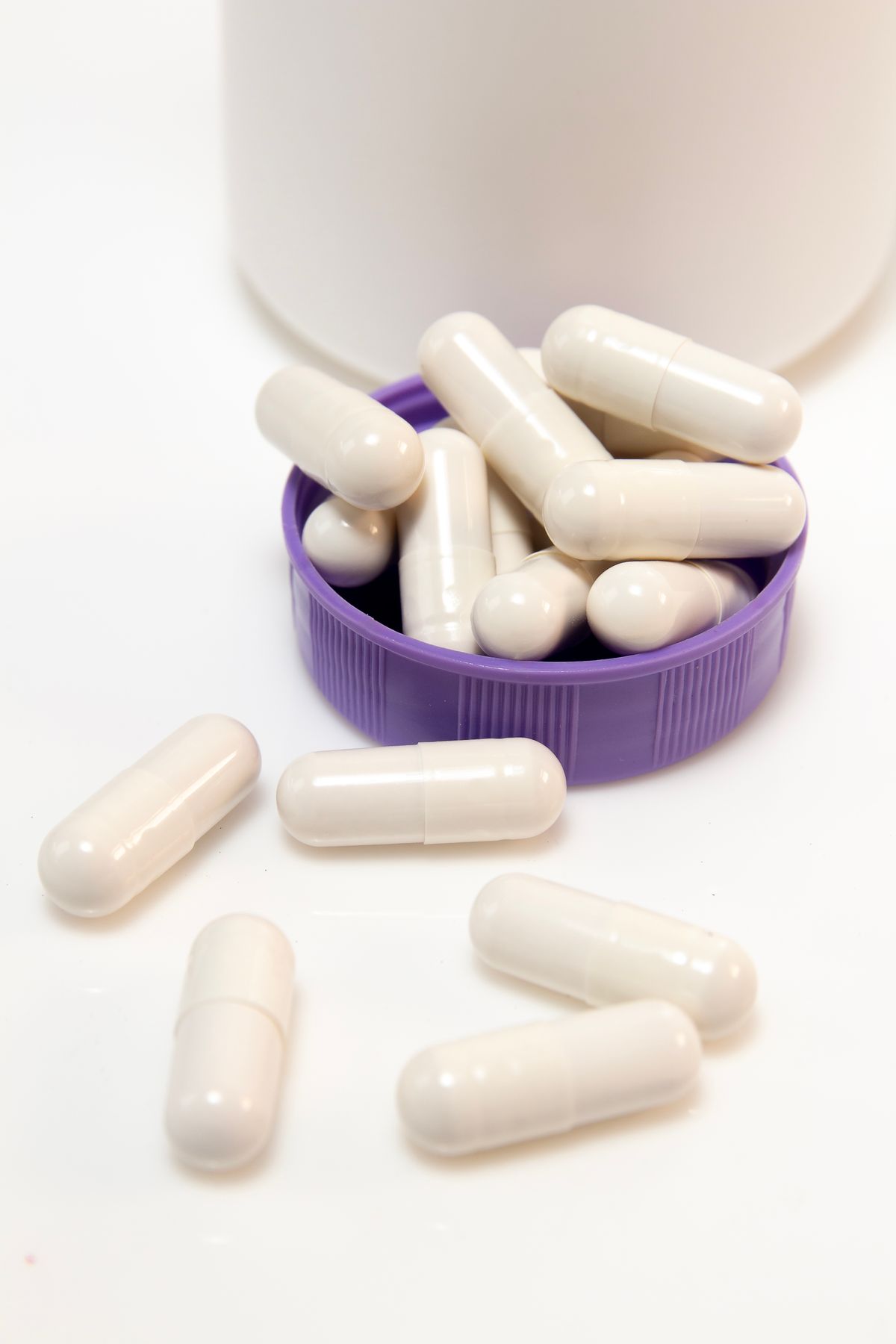
Alpha-glycerophosphocholine (Alpha-GPC) is a choline precursor that crosses the blood-brain barrier efficiently and provides substrate for acetylcholine synthesis.
Mechanism: Acetylcholine is the neurotransmitter most associated with focused attention, learning, and memory formation. Alpha-GPC supplementation raises plasma choline rapidly and supports acetylcholine synthesis.
Parker et al. (2015) demonstrated short-term improvements in attention and working memory. The compound is included in some pharmaceutical preparations in Europe for cognitive support in older adults.
Dosing: 300-600mg/day, taken 30-60 minutes before cognitive work. Can be combined with the caffeine + L-theanine protocol.
Synergy with caffeine: Caffeine increases acetylcholine demand; supplementing the precursor reduces post-work fatigue.
Caveats:
- High doses can produce headaches in choline-sensitive users.
- Long-term high-dose use has been associated with elevated TMAO in some studies; rotation is conservative.
- Citicoline (CDP-choline) is an alternative with similar effects and slightly different metabolic profile.
3. Lion's Mane (Hericium Erinaceus): The Long-Term BDNF Compound

Lion's Mane is a culinary and medicinal mushroom that has received substantial research attention in the past 15 years for its effects on nerve growth factor.
Mechanism: The two active compound classes, hericenones (in the fruiting body) and erinacines (in the mycelium), have been shown to stimulate nerve growth factor (NGF) synthesis (Mori et al., 2008, 2009).
NGF is a neurotrophic factor that supports neuron health, growth, and synaptic plasticity. Mori et al. (2009) demonstrated cognitive improvements in older adults with mild cognitive impairment after 16 weeks of supplementation.
The effect is slow. Lion's Mane is not an acute focus tool. It is a long-term neuronal-support compound.
Dosing: 500-1000mg/day of a dual-extract (water and alcohol) Lion's Mane powder or tincture. Quality varies enormously by source; look for verified beta-glucan content and avoid products that contain only mycelium grown on grain (the mycelium-only products often have negligible bioactive content).
Effect window: 8-12 weeks minimum. Cumulative.
Caveats:
- Allergic reactions are possible (mushroom allergies).
- Anticoagulant effects are mild.
- Some users report bizarre dreams in the first few weeks.
4. Bacopa Monnieri: The Working Memory Compound
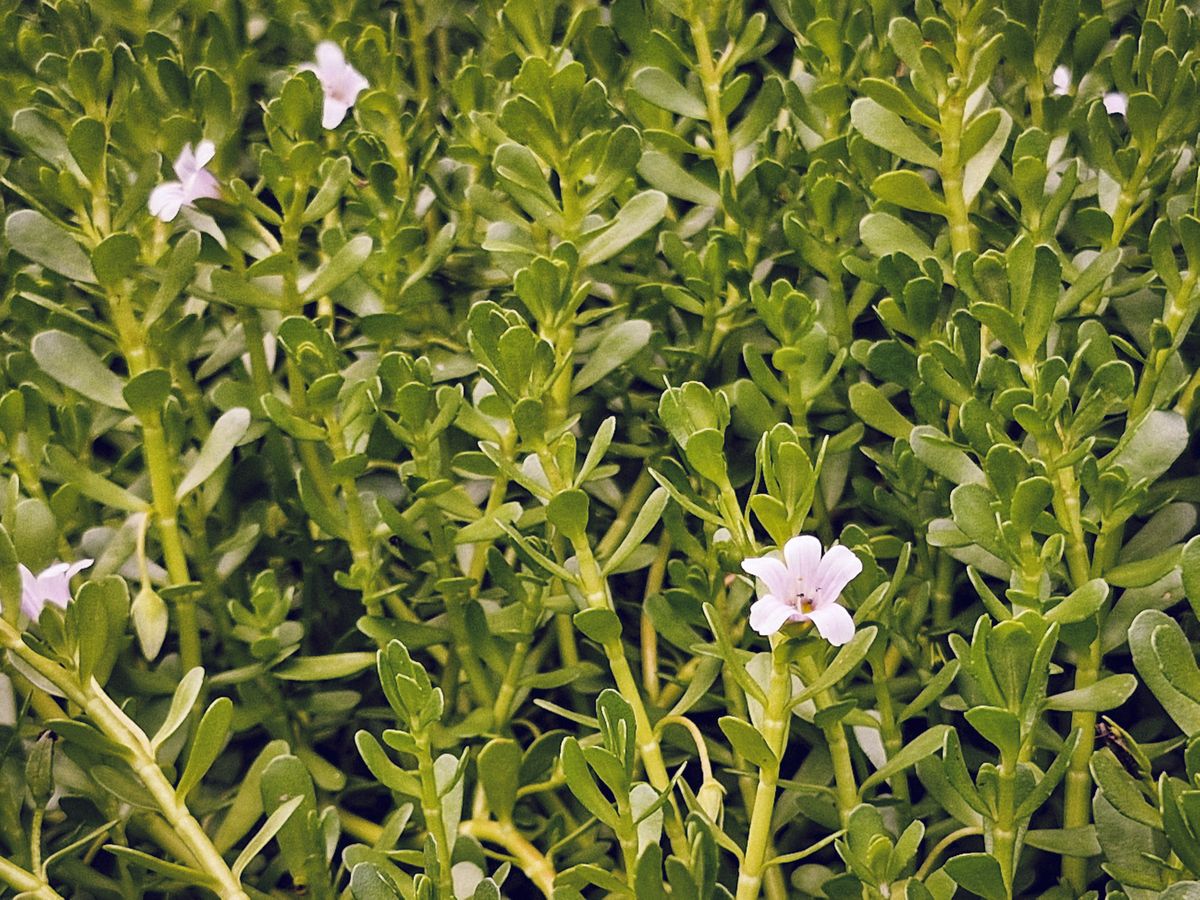
Bacopa (Bacopa monnieri) is a traditional Ayurvedic herb with the most reproducible research support among "memory" nootropics.
Mechanism: The active compounds (bacosides A and B) appear to support synaptic transmission, antioxidant activity in the hippocampus, and modulation of dendrite branching. Roodenrys et al. (2002) and Stough et al. (2008) demonstrated working memory and processing speed improvements in healthy adults at 300mg/day over 12 weeks.
Dosing: 300mg/day of a standardized extract containing 20-50% bacosides. Take with a fatty meal (Bacopa is fat-soluble).
Effect window: Slow. Acute effects are minimal; cumulative effects appear at 8-12 weeks of consistent use.
Caveats:
- GI side effects (nausea, cramping) are common in the first 1-2 weeks; usually resolve.
- Mildly sedating in some users; afternoon timing may be better than morning.
- Bacopa has TSH-lowering effects; conservative use in hypothyroid users.
The Daily Protocol For A Heavy Work Session
A representative deep work morning:
- 6:30am: Wake. Sunlight exposure.
- 7am: Aerobic exercise (20-30 minutes).
- 8am: Protein-anchored breakfast + 300mg Alpha-GPC + 500mg Lion's Mane + 300mg Bacopa.
- 9am: 100mg caffeine + 200mg L-theanine.
- 9:30am-11am: Deep work block #1.
- 11:30am: Break, water, low-intensity movement.
- 12-1pm: Deep work block #2 (optional second 200mg L-theanine without additional caffeine).
This protocol gives you the focus duration extension on the morning blocks where executive function is strongest.
What This Stack Will Not Do
Three honest limitations:
1. Replace the architecture. If your phone is on the desk, your priorities are unclear, and you have not slept, no stack will produce focused work. The substrate matters more than the supplements.
2. Eliminate the need for breaks. Even on the optimal stack, deep work blocks past 90 minutes show diminishing returns. The Pomodoro structure or modified equivalents still apply.
3. Compound infinitely. Diminishing returns kick in around the third compound in any cognitive stack. More compounds is usually worse, not better.
What I Would Avoid
Modafinil/Armodafinil: Prescription stimulant-like compounds with cardiac side effects and prescription status in most jurisdictions. Outside the scope of a supplement protocol.
Phenibut: GABAergic compound with severe withdrawal potential and addiction risk. Avoid.
Racetams (piracetam, oxiracetam, etc.): Generally well-tolerated but evidence base is thin and inconsistent; not worth the complexity for most users.
Yohimbine: Anxiogenic and cardiovascular side effects make it a poor focus tool despite some attention enhancement.
Where TaskCoach Plays
The Focus Mode in TaskCoach.AI is built around the same 25-90 minute deep work block structure this stack supports. Track session count, completion rate, and subjective focus quality alongside supplement adherence; over 30 days the contribution of each compound becomes visible.
The Mind pillar then progresses on the work output, not on supplement count.
The Bottom Line
L-theanine + caffeine is the proven base. Alpha-GPC supports acetylcholine demand. Lion's Mane and Bacopa work on long-term cognitive substrate. None of them replace the architecture: sleep, exercise, externalized environment, structured work blocks.
Build the substrate. Layer the stack. Ship the work.