Breathe, Dear One. The Sleep You Cannot Find Is Often Just A Few Substrate Adjustments Away.
If you have read our piece on the ADHD sleep science, you already know the protocol: morning sunlight, caffeine cutoff at 8 hours pre-bed, cool room, screens off 60 minutes before bed, pre-sleep externalization, consistent wake time. That protocol is the foundation. The supplements layered below help with the residual sleep-onset and sleep-architecture problems that remain after the substrate work is done.
This stack is specifically calibrated for ADHD adults running delayed circadian phase plus pre-sleep cognitive arousal. It is not the right stack for general insomnia. Sleep apnea, hormonal sleep disruption, and clinical insomnia need a sleep medicine specialist, not supplements.
Standard disclaimer: nothing here is medical advice. Talk to a prescriber, especially if you take psychiatric medication. Below is what the research supports.
1. Magnesium Glycinate: The GABA-A Modulator
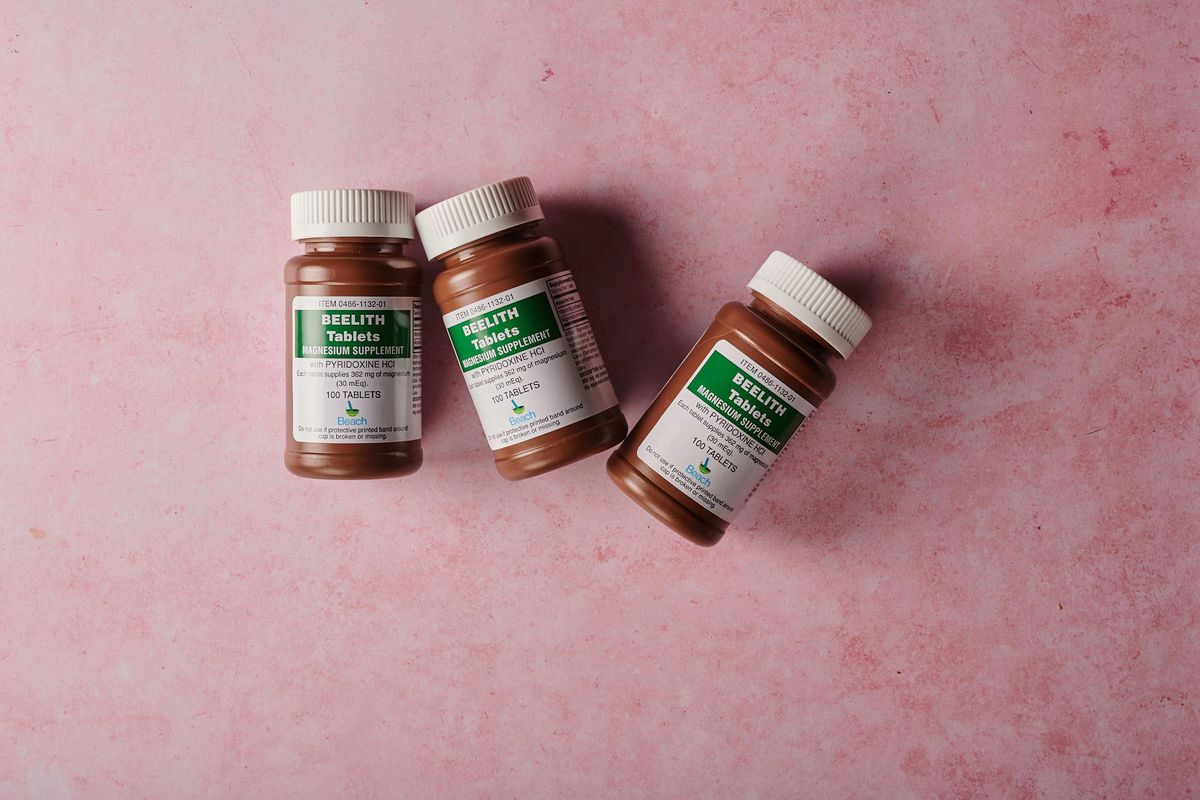
We covered magnesium broadly in our piece on the ADHD supplement stack. For sleep specifically, magnesium glycinate is the form to know.
Mechanism: Magnesium acts as a natural NMDA receptor antagonist and a GABA-A receptor positive modulator. Both effects favor sleep onset. The glycinate form has the added benefit of glycine itself (covered next), which crosses the blood-brain barrier and has independent sleep-promoting effects.
Abbasi et al. (2012) demonstrated that 500mg/day magnesium oxide (a less absorbable form) improved sleep efficiency in elderly subjects with insomnia. Glycinate likely produces stronger effects per mg due to better absorption.
Dosing: 300-400mg elemental magnesium glycinate, 60-90 minutes before bed. Taking with a small carbohydrate snack improves absorption.
What to avoid: Magnesium oxide and citrate for sleep use. Oxide is poorly absorbed; citrate is mildly stimulating in some users and produces loose stools at sleep-relevant doses.
Effect window: Sleep onset typically improves within the first week. Sleep architecture (deep sleep stages) takes 2-3 weeks.
2. Glycine: The Body-Temperature Drop Catalyst

Glycine is a simple amino acid that has surprisingly strong sleep effects. The research comes primarily from Japanese sleep medicine labs.
Mechanism: Glycine acts as a vasodilator at the skin surface, increasing peripheral blood flow and accelerating the core body temperature drop required for sleep onset. Yamadera et al. (2007) demonstrated 3g of glycine before bed reduced sleep onset latency and improved subjective sleep quality in subjects with insomnia.
The temperature mechanism is particularly relevant for ADHD adults who often run warmer at night due to sympathetic nervous system activation.
Dosing: 3g (3,000mg) of L-glycine powder dissolved in water, 30-60 minutes before bed. Slightly sweet taste, easy to drink. Splitting the dose (1.5g earlier in the evening, 1.5g closer to bed) works for some users.
Side effects: Generally well-tolerated. Some users report vivid dreams.
Effect window: Onset effects are noticeable within the first 2-3 nights.
3. Apigenin: The Quiet-Mind Compound

Apigenin is a flavonoid found in chamomile, parsley, and other plants. It has emerged in the past few years as a quietly powerful sleep compound, popularized in part by Andrew Huberman.
Mechanism: Apigenin binds to GABA-A receptors at the benzodiazepine site, producing anxiolytic and mild sedative effects (Salgueiro et al., 1997; Avallone et al., 2000). The mechanism is similar to benzodiazepines but much weaker, without dependence potential at normal doses.
The "quiet mind" effect ADHD users describe with apigenin is the rumination quieting that often blocks sleep onset (covered in our piece on the default mode network).
Dosing: 50mg apigenin extract, 30-60 minutes before bed. Chamomile tea contains apigenin but at much lower bioavailable doses; the standardized extract is more reliable.
Contraindications:
- Benzodiazepine medications: Theoretically additive effects.
- Pregnancy: Limited data; conservative avoidance recommended.
- Some estrogen-sensitive cancers: Apigenin has weak phytoestrogen activity; consult oncologist.
Effect window: Often within the first night for the rumination effect.
4. Low-Dose Melatonin: The Circadian Anchor
Melatonin is the most misused sleep supplement in the consumer market. Most over-the-counter doses (3-10mg) are 30-100x the physiologically relevant dose.
Mechanism: Melatonin signals the suprachiasmatic nucleus that night has arrived. It is a circadian phase marker, not a sedative. The brain's pineal gland normally produces ~0.3mg per night across hours; supplementation at this level can advance the circadian phase for users running late (most ADHD adults, per chronobiology research).
Burgess et al. (2010) and others have demonstrated that low-dose melatonin (0.3-0.5mg) taken 4-6 hours before desired sleep time is the most effective protocol for phase advancement. High doses paradoxically work less well because they overshoot the receptor binding window.
Dosing: 0.3-0.5mg sublingual melatonin, taken 4-6 hours before target sleep time (so if you want to sleep at 11pm, take it at 5-7pm). This is dramatically different from the "1-5mg at bedtime" recommendation that dominates consumer melatonin.
Cycling: Use for 2-4 weeks during phase-shifting periods (after travel, after sleep disruption, when actively trying to shift wake time earlier). Avoid daily indefinite use; the body's own melatonin production can downregulate with chronic exogenous supplementation.
Contraindications:
- Autoimmune conditions: Immunomodulatory effects.
- Bipolar disorder: Can shift mood states.
- Pregnancy: Limited data.
The Protocol
If running the full stack on a typical night:
- 5-7pm (4-6 hours before bed): 0.3mg melatonin if actively phase-shifting earlier. Skip on maintenance days.
- 30-60 minutes before bed: 3g glycine + 50mg apigenin + 400mg magnesium glycinate, taken together with a small glass of water.
Most users find one of the four compounds is the dominant driver for them; the rest add marginally. Run the stack for 30 days, then drop one compound at a time to identify the individual contributors.
What This Stack Will Not Fix
Three honest limits:
1. Sleep apnea. No supplement fixes obstructive sleep apnea. If you snore, wake feeling unrested despite 8 hours, or have witnessed breathing pauses, get a sleep study before optimizing supplements.
2. Stimulant medication interference. If you take ADHD stimulants late in the day, no supplement protocol will compete with the underlying pharmacology. Adjust dosing timing with your prescriber first.
3. Underlying anxiety disorders. If pre-sleep rumination is severe, a CBT-I (cognitive behavioral therapy for insomnia) referral may be the right answer. The supplements assist; they do not treat clinical insomnia.
Where TaskCoach Plays
The Body pillar in TaskCoach.AI can track sleep onset latency, total sleep time, and supplement adherence in one view. The 30-day n-of-1 trial protocol (try each compound for 7-10 days, log effects) is exactly the kind of structured experiment the dashboard makes visible.
Without the data, you cannot distinguish which compound is working for your specific sleep profile.
A Gentle Reminder
Sleep is the substrate everything else depends on. Get this layer right and the daytime architecture (focus, mood, executive function, identity work) becomes substantially easier. Get it wrong and no productivity system, no morning routine, no AI coach can compensate.
The supplements are gentle. The substrate work is foundational. Together they often produce the first consistent 7-8 hour nights an ADHD adult has had in years. 🌿