Finch works because the task is rarely presented as one more demand. Drink water, take three breaths, or step outside, and the action becomes care for a small companion you chose.
That combination is hard to copy. Most alternatives replace one part of Finch rather than the whole experience.
Start with the Finch feature you want to keep
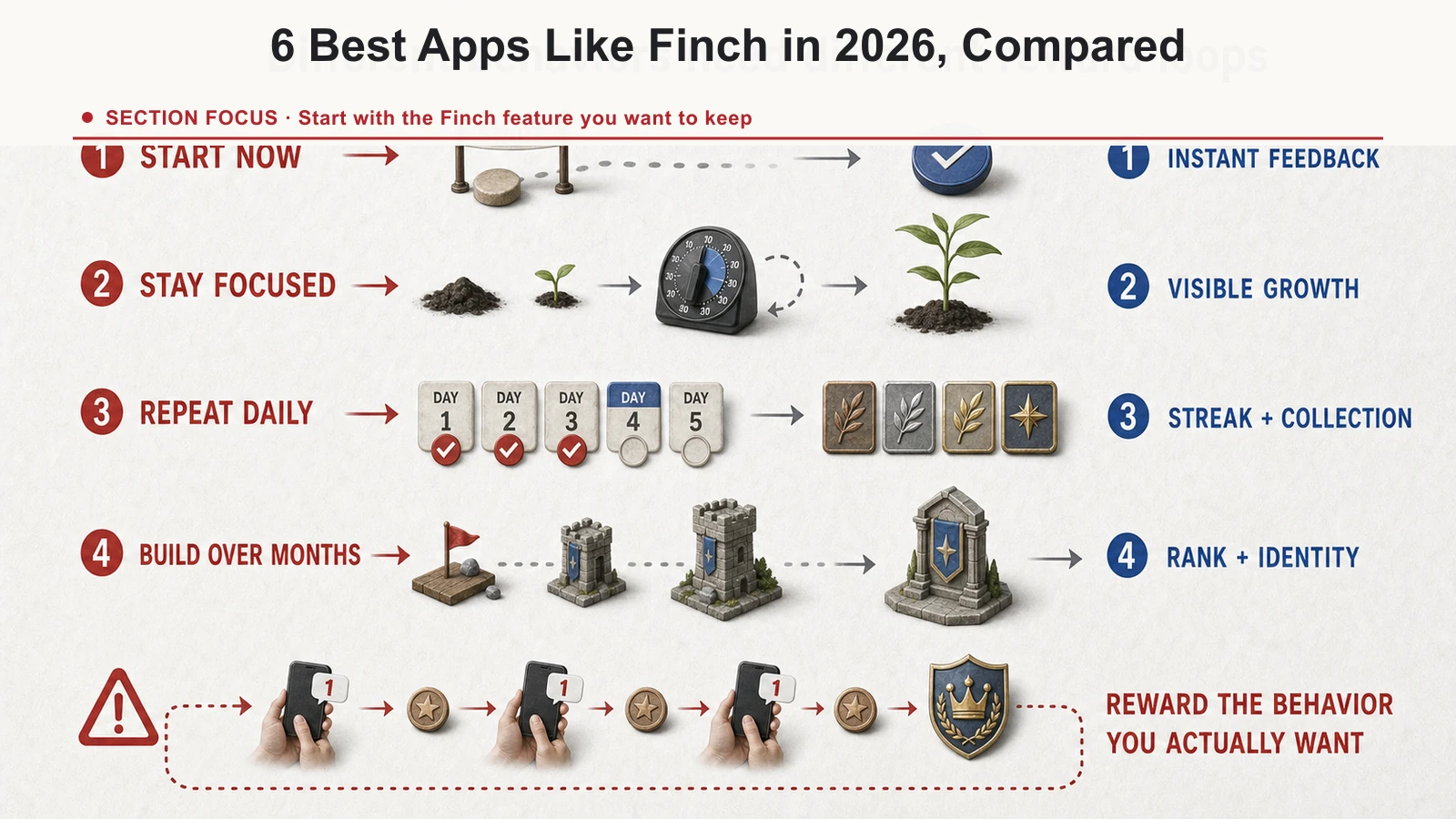
Finch combines:
- a virtual companion
- small daily goals
- self-care journeys
- reflections and mood check-ins
- breathing and focus tools
- friends and shared encouragement
- cosmetic rewards
Before switching, name the feature doing the real work. The answer changes the replacement.
Finch alternatives at a glance
| App | Best reason to choose it | What replaces the companion loop | Price checked July 30, 2026 |
|---|---|---|---|
| Tiimo | You want a gentle visual planner | A readable timeline and supportive planning tools | Free; Pro price varies by region |
| Fabulous | You want guided routines | Staged wellbeing journeys and rituals | Free download; subscription price shown at checkout |
| Habitica | You want a deeper game | RPG classes, quests, gear, pets, and parties | Free core; optional subscription and purchases |
| Forest | You want focused work | A tree that grows during each focus session | Free to start; paid options vary by platform |
| Streaks | You want simpler habit tracking | A compact recurring-task scoreboard | Paid app and optional Plus offer vary by storefront |
| TaskCoach | You want wider life planning | Goals, habits, tasks, time, analytics, and coaching | Free core; Premium starts at only $8 per month |
1. Tiimo: best gentle visual alternative
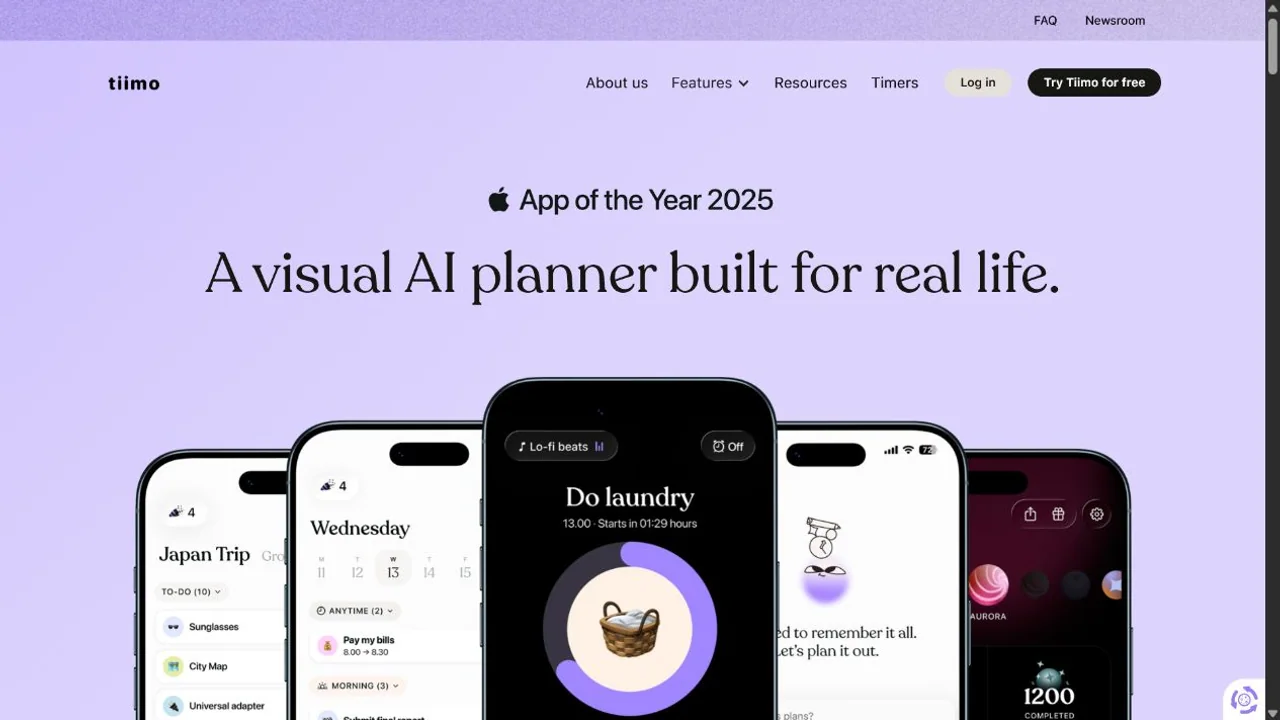
Tiimo was designed with neurodivergent users in mind. It turns the day into a visual timeline and adds to-dos, focus tools, reminders, mood check-ins, and an AI planner that can break down a brain dump.
Where Tiimo is better
- The whole day is visible in time.
- AI can help turn an unstructured thought into steps and estimates.
- The product is built around planning support across mobile, web, tablet, and watch.
- It fits appointments and changing schedules better than Finch.
Where Finch is better
Finch creates a stronger companion relationship. Its self-care tools, reflections, breathing, seasonal events, and friend interactions feel more like one warm daily ritual. Tiimo is a planner first.
Best for: someone who wants Finch's gentleness with more schedule structure.
2. Fabulous: best guided routine alternative
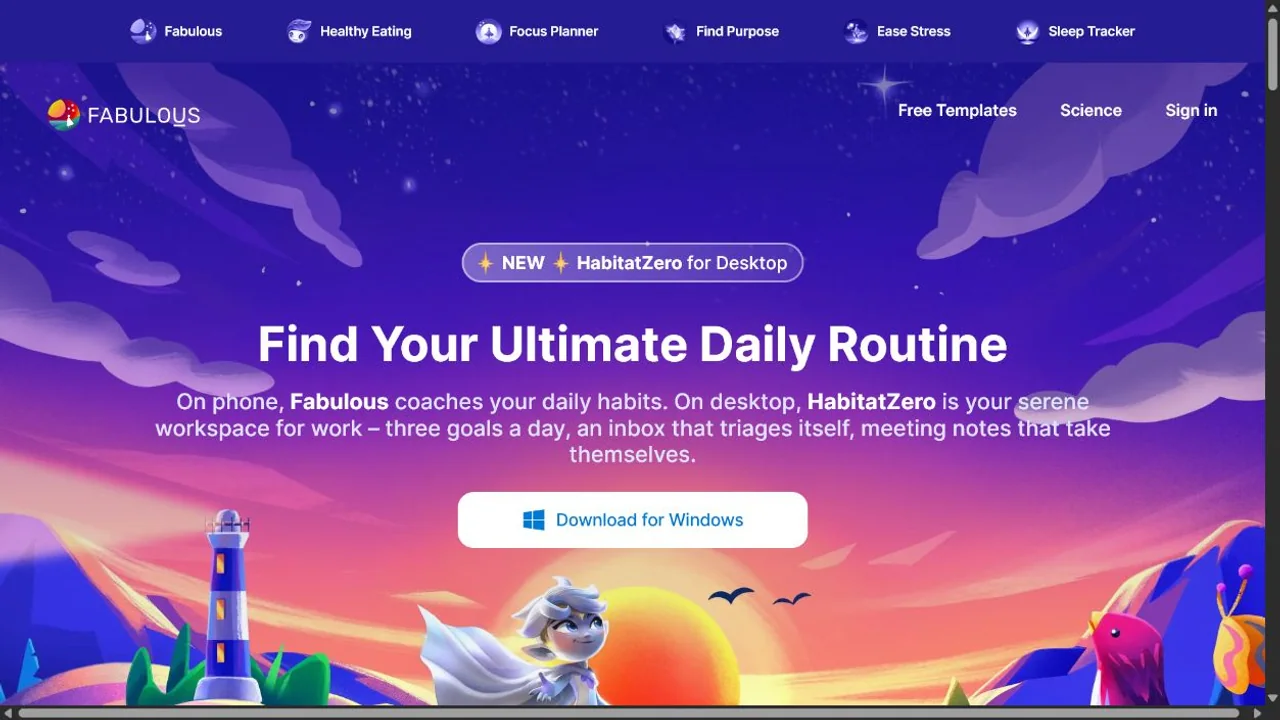
Fabulous replaces the pet with a guided journey. Routines around sleep, focus, nutrition, stress, movement, and reflection arrive through polished coaching paths and repeated rituals.
Where Fabulous is better
- It provides a more prescribed path through a routine.
- Coaching content explains the purpose behind the ritual.
- The visual presentation makes repeated actions feel intentional.
- It fits people who want direction without managing a character.
Where Finch is better
Finch gives you more emotional attachment and lower-pressure freedom to choose tiny goals. Fabulous can feel more linear, and trial or renewal offers vary by channel.
Best for: someone who wants a guided self-care path rather than a companion.
3. Habitica: best deeper-game alternative
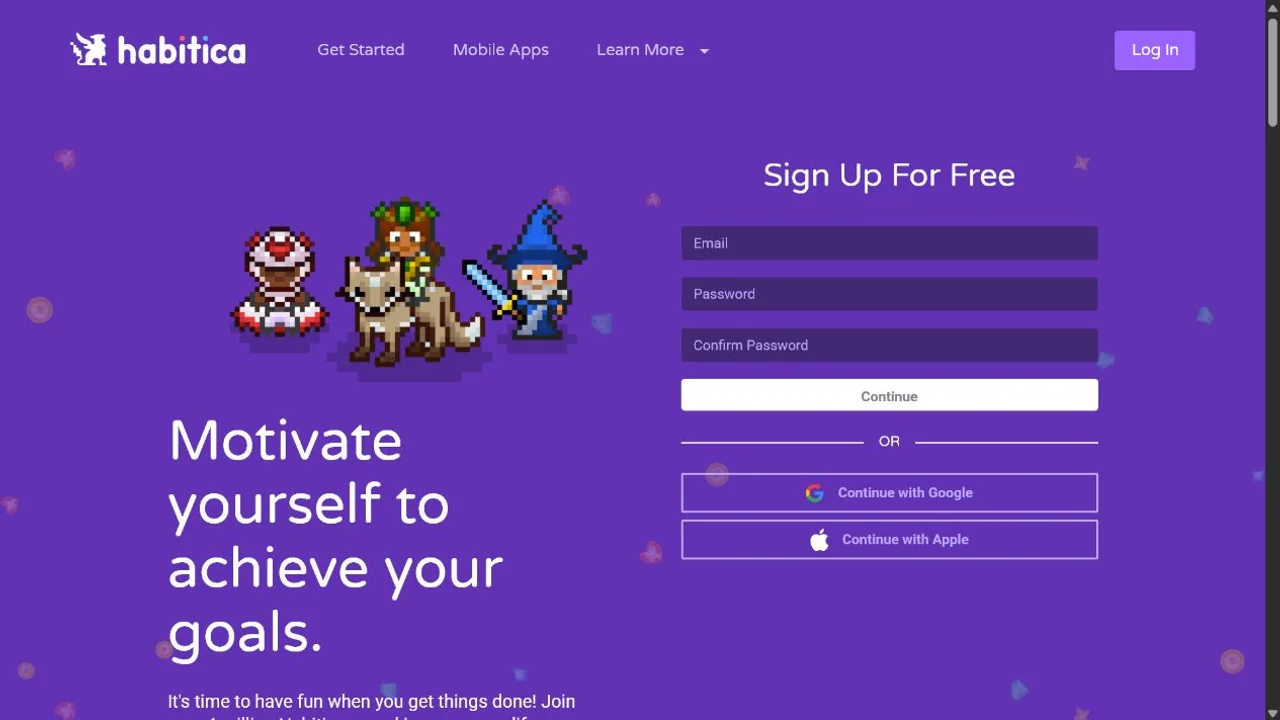
Habitica turns habits, daily goals, and to-dos into an RPG. Completion earns experience, gold, gear, pets, and quest progress. Parties add social accountability, while missed daily goals can reduce character health.
Where Habitica is better
- The game systems are far deeper.
- Parties and quests create stronger group accountability.
- Custom rewards connect earned gold to something you choose.
- Tasks and habits have more explicit game consequences.
Where Finch is better
Finch is warmer, calmer, and more focused on self-care. Habitica adds more currencies, gear, rules, and punishment. A difficult week can feel harsher when missed dailies cost health.
Best for: someone who loves RPG mechanics and wants more game than self-care companion.
4. Forest: best focus-only alternative
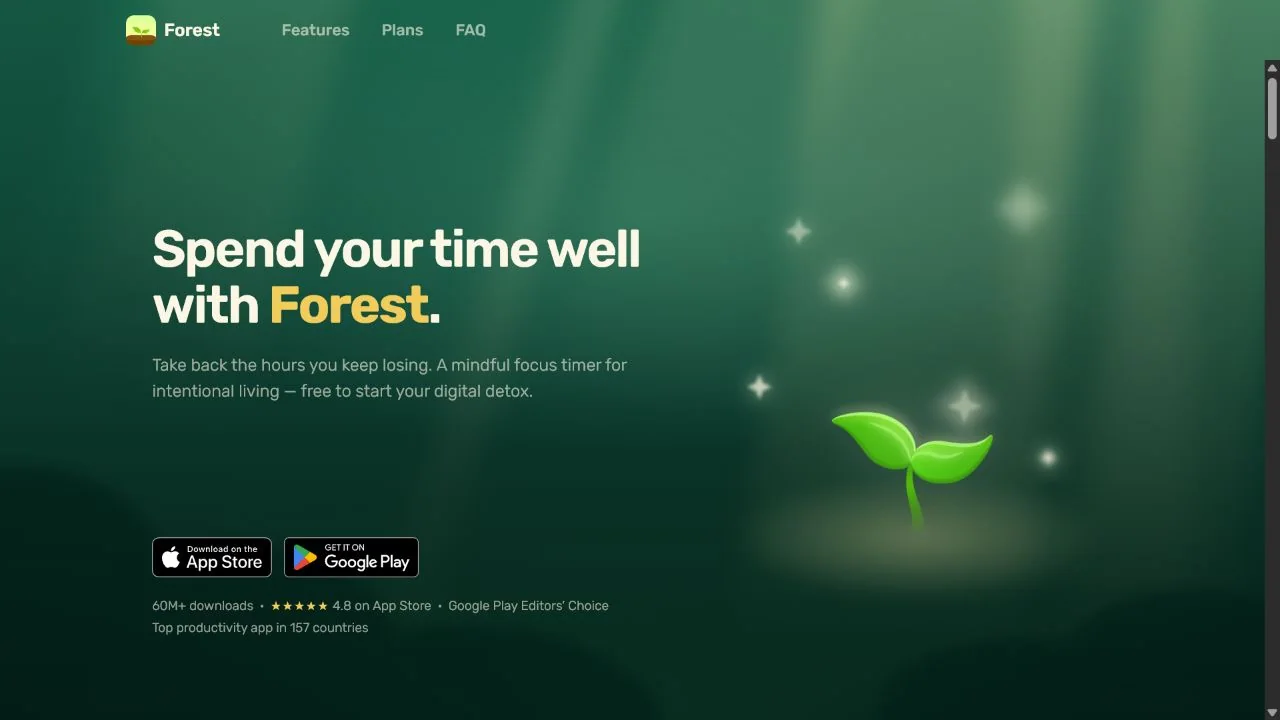
Forest turns focused time into a growing tree. Start the timer, stay with the session, and the tree becomes part of a larger record of focused work.
Where Forest is better
- The purpose is understood immediately.
- Setup takes less than a minute.
- It targets the phone-distraction moment directly.
- The game stays out of the way once the timer starts.
Where Finch is better
Finch supports more of the state around action: mood, reflection, breathing, small goals, and gentle re-entry. Forest helps you focus after you know what to do.
Best for: someone who uses Finch mainly for focus sessions and wants a narrower tool.
5. Streaks: best minimal habit alternative
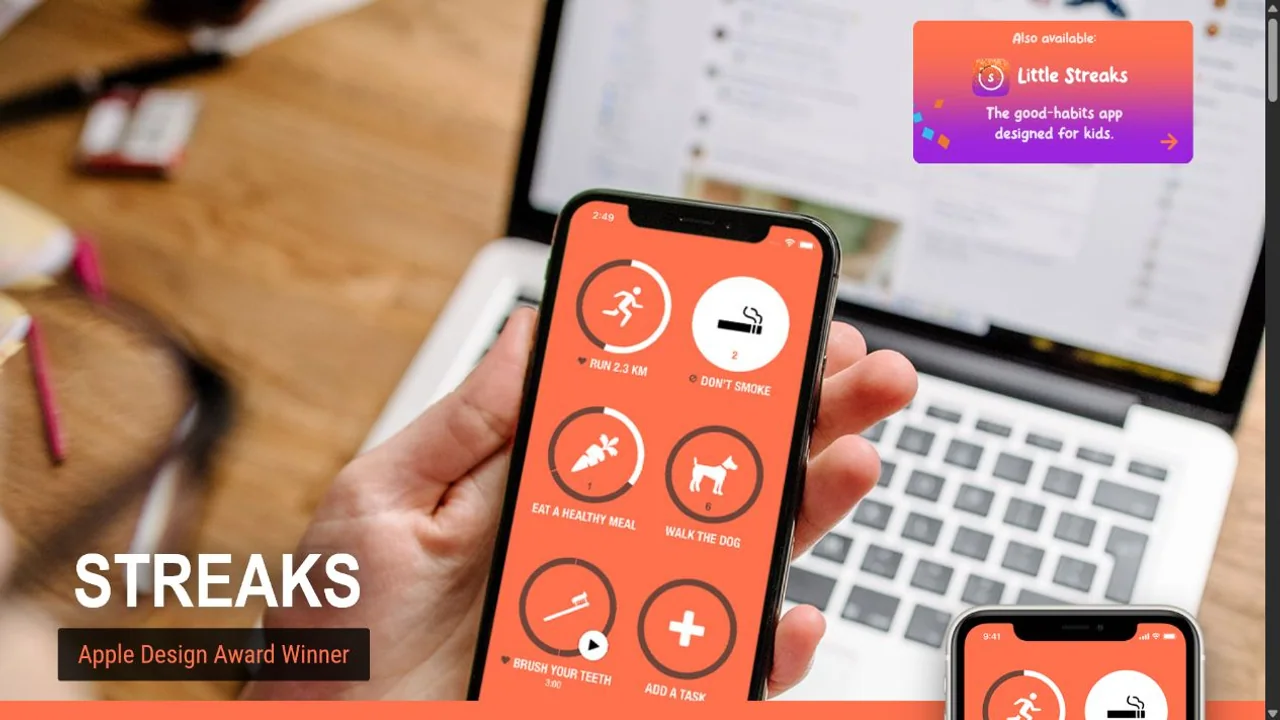
Streaks tracks a compact set of recurring behaviors through large completion rings. Flexible schedules and Apple integrations make it easy to keep the scoreboard close to the habit.
Where Streaks is better
- There is less emotional and visual overhead.
- The habit list stays intentionally small.
- Supported health data can complete tasks automatically.
- Progress belongs directly to your behavior.
Where Finch is better
Finch offers a richer self-care practice and a more forgiving emotional tone. Streaks can make a broken chain feel louder, especially if you already struggle with all-or-nothing thinking.
Best for: someone who likes Finch's goals but does not want the companion or journeys.
6. TaskCoach: best broader planning alternative
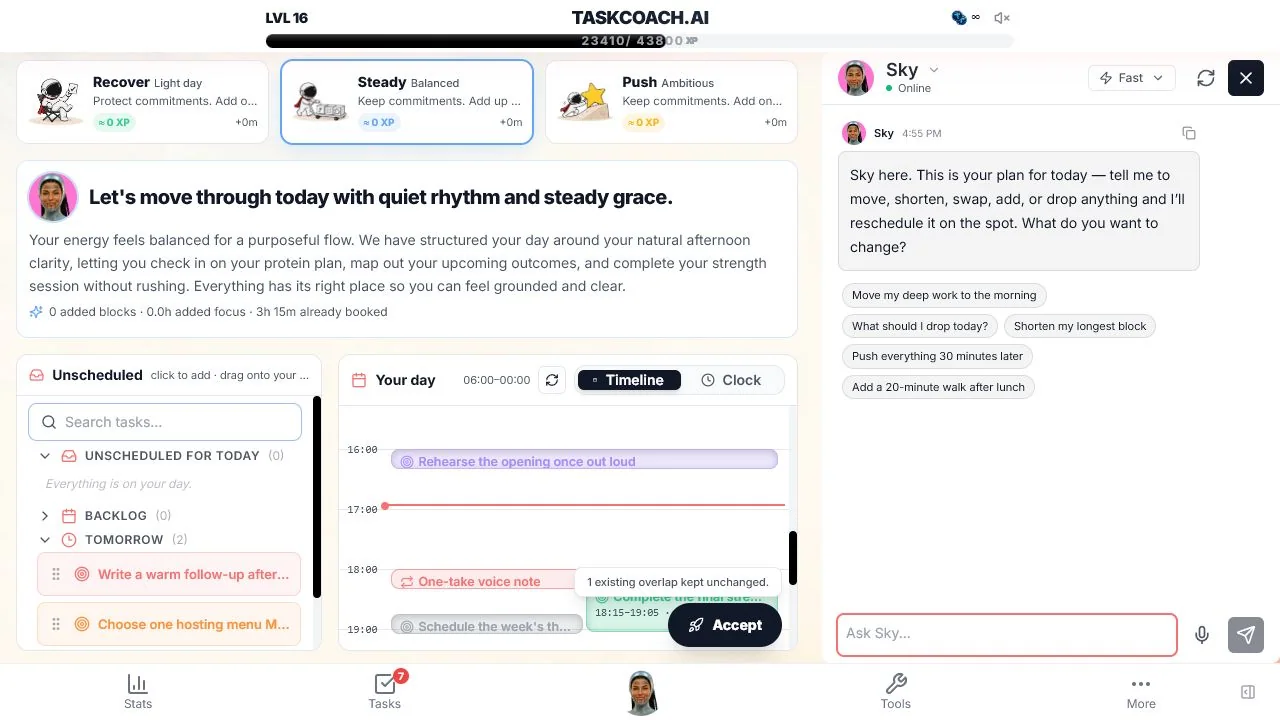
TaskCoach connects goals, projects, habits, tasks, a calendar, focus work, notes, journaling, analytics, and coaching. Plan Day prepares Recover, Steady, and Push drafts from the current context, then lets you adjust the schedule.
Where TaskCoach is better
- Long-term goals can become projects, tasks, habits, and scheduled work.
- Mood and completion history can feed analytics and coaching context.
- Different coach styles can support planning, accountability, and review.
- Daily self-care can sit beside work, money, home, relationships, and recovery.
Where Finch is better
Finch is more emotionally focused, more companion-led, and easier to open during a low-capacity moment. TaskCoach asks for more context and can feel busy when all you want is one gentle check-in. We publish TaskCoach, so consider this a disclosed comparison.
Best for: someone who has outgrown small self-care goals and wants them connected to larger plans.
Do you actually need to leave Finch?
Stay with Finch if:
- you return because you care about the companion
- tiny goals are enough structure
- reflections and breathing are central
- the current free experience covers your needs
Try an alternative if:
- you need to see the whole day in time
- you want stronger project or calendar planning
- you want a deeper game
- you only need one focus or habit mechanism
- you want coaching to use broader goal and progress context
Switching apps has a cost. A new system can feel motivating for three days simply because it is new.
A three-day comparison test
Recreate the same three days:
- a normal workday
- a disrupted, low-energy day
- a weekend with one self-care goal
Measure:
- planning time
- time to begin
- emotional cost after a miss
- effort to repair the plan
- whether you want to return tomorrow
The last answer matters more than the feature count.
The bottom line
Choose Tiimo for gentle visual planning, Fabulous for guided routines, Habitica for a deeper RPG, Forest for focus, Streaks for minimal habits, and TaskCoach for connected life planning and coaching.
If Finch's warmth still works but its planning ceiling has become visible, try TaskCoach free with one goal and one low-capacity day. Keep Finch if the broader system adds more friction than value.