Breathe, Dear One. The Adrenal Fatigue Story Is Wrong. The HPA Dysregulation Story Is Real.
Before we begin: "adrenal fatigue" as commonly described on Instagram is not a recognized medical diagnosis. The adrenal glands themselves do not "burn out" in healthy adults outside of true Addison's disease. What is real, and what most people mean when they say "adrenal fatigue," is HPA axis dysregulation: the hypothalamus-pituitary-adrenal feedback loop running in chronic disorder.
The Trier Social Stress Test literature, plus decades of cortisol research by Bruce McEwen at Rockefeller and others, is unambiguous that chronic stress produces measurable cortisol curve abnormalities. The classic pattern: elevated baseline, flattened diurnal curve, blunted morning peak, and impaired recovery after stress events.
The four supplements below have the strongest research support for restoring the cortisol curve toward normal. None of them are emergencies fixes. All work at the 4-12 week timeframe.
Standard disclaimer: this is not medical advice. Talk to a doctor, especially for adrenal-related concerns where actual Addison's or Cushing's must be ruled out.
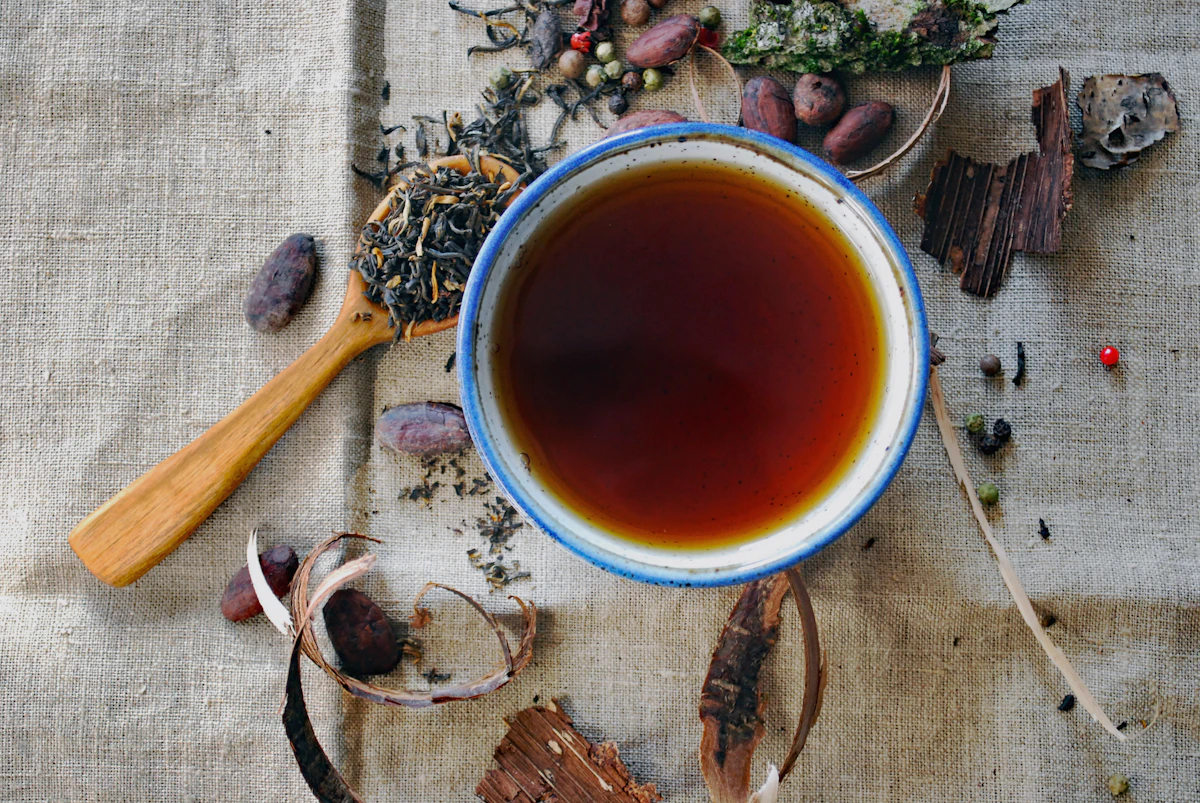
1. Phosphatidylserine: The Most Specific Cortisol Modulator
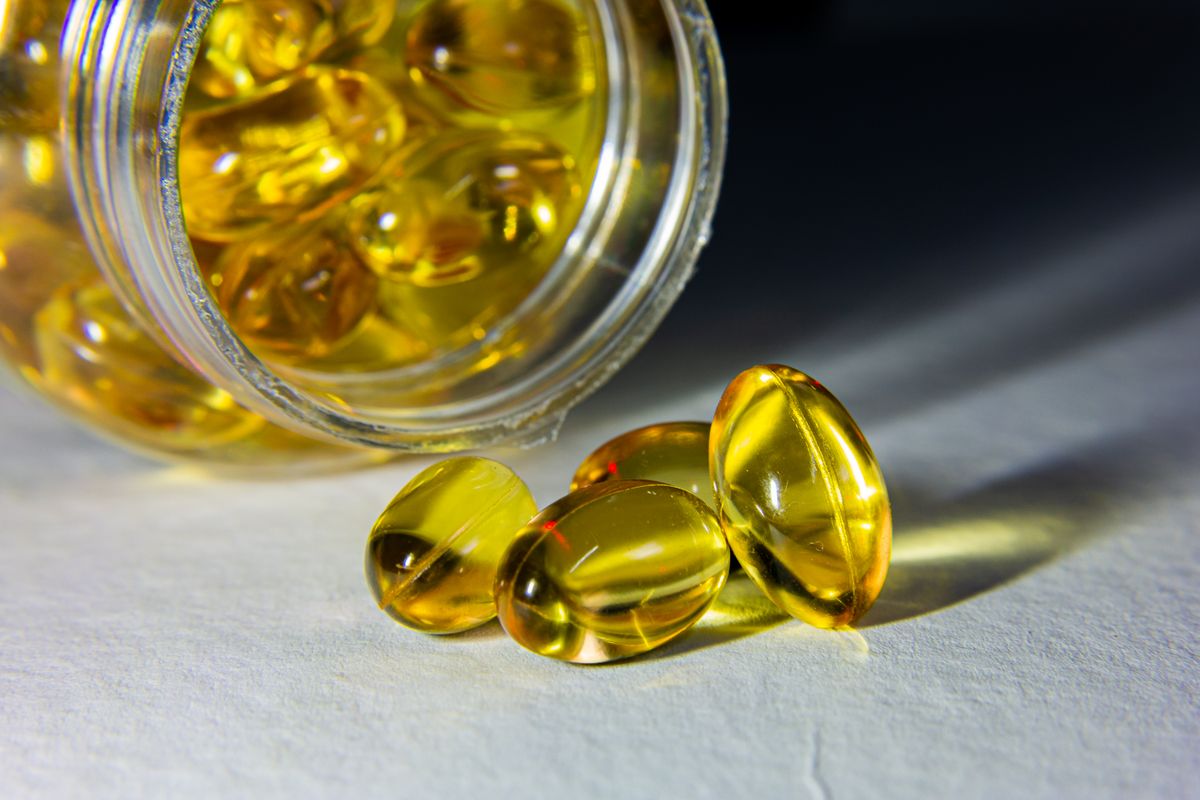
Phosphatidylserine (PS) is a phospholipid component of cell membranes, especially abundant in brain tissue.
Mechanism: PS appears to blunt the HPA axis response to acute stressors. Monteleone et al. (1990, 1992) demonstrated that 800mg PS administered before exercise stress reduced cortisol release by 30%. Subsequent studies have confirmed the cortisol-blunting effect at doses 300-800mg.
The mechanism is partly direct (PS affects neurotransmitter release in stress circuits) and partly through cell membrane fluidity in the hypothalamus.
Dosing: 100-300mg per day, ideally split AM and afternoon. Bovine-derived PS was the original source in the research; soy-derived is now the dominant commercial form and shows similar effects.
Effect window: Acute effects (cortisol blunting on a single stress day) are measurable within hours. Chronic restoration of curve flexibility takes 4-8 weeks.
Contraindications:
- Anticoagulants: PS has mild platelet effects.
- Soy allergy: Choose sunflower-derived PS if soy-allergic.
2. Ashwagandha: The HPA Brake
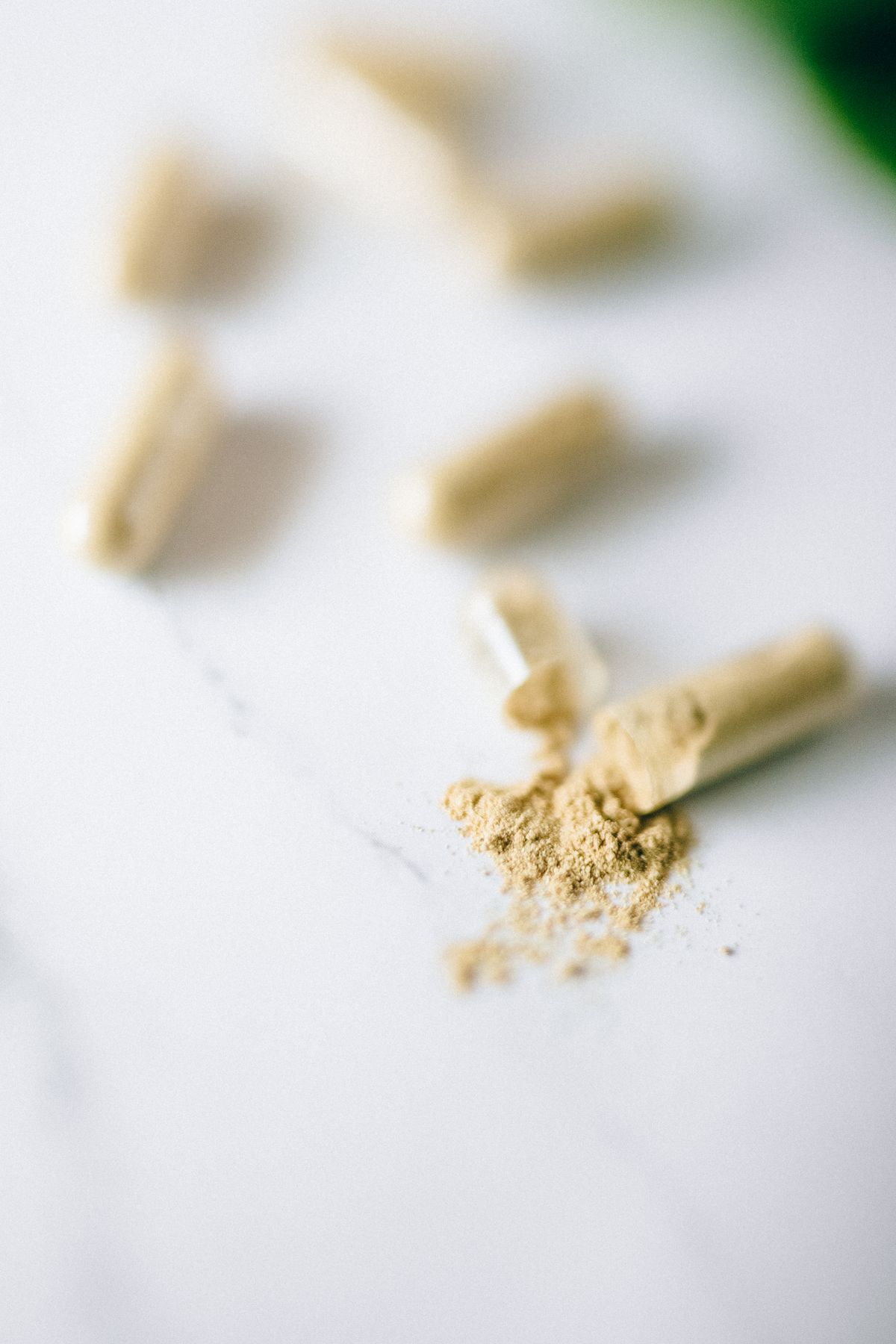
We covered Ashwagandha in our piece on the transmutation stack. In the cortisol-crash protocol it plays a specific role: chronic baseline cortisol reduction.
Mechanism: Withanolides act directly on the adrenal glands to blunt cortisol production. Chandrasekhar et al. (2012) demonstrated a 27.9% serum cortisol reduction over 60 days at 600mg/day KSM-66 extract.
The HPA-axis effect is broader than just cortisol; Ashwagandha appears to normalize DHEA-S levels (often suppressed in chronic stress states) and improve cortisol-DHEA ratio, which is a more clinically meaningful marker of HPA health than cortisol alone.
Dosing: 300-600mg KSM-66 daily, split AM and PM with meals.
Critical contraindications (covered in detail in the transmutation stack piece):
- Hyperthyroid or thyroid medications
- Autoimmune conditions
- Pregnancy
- Sedative medications
3. Holy Basil (Tulsi): The Calm-Energy Adaptogen
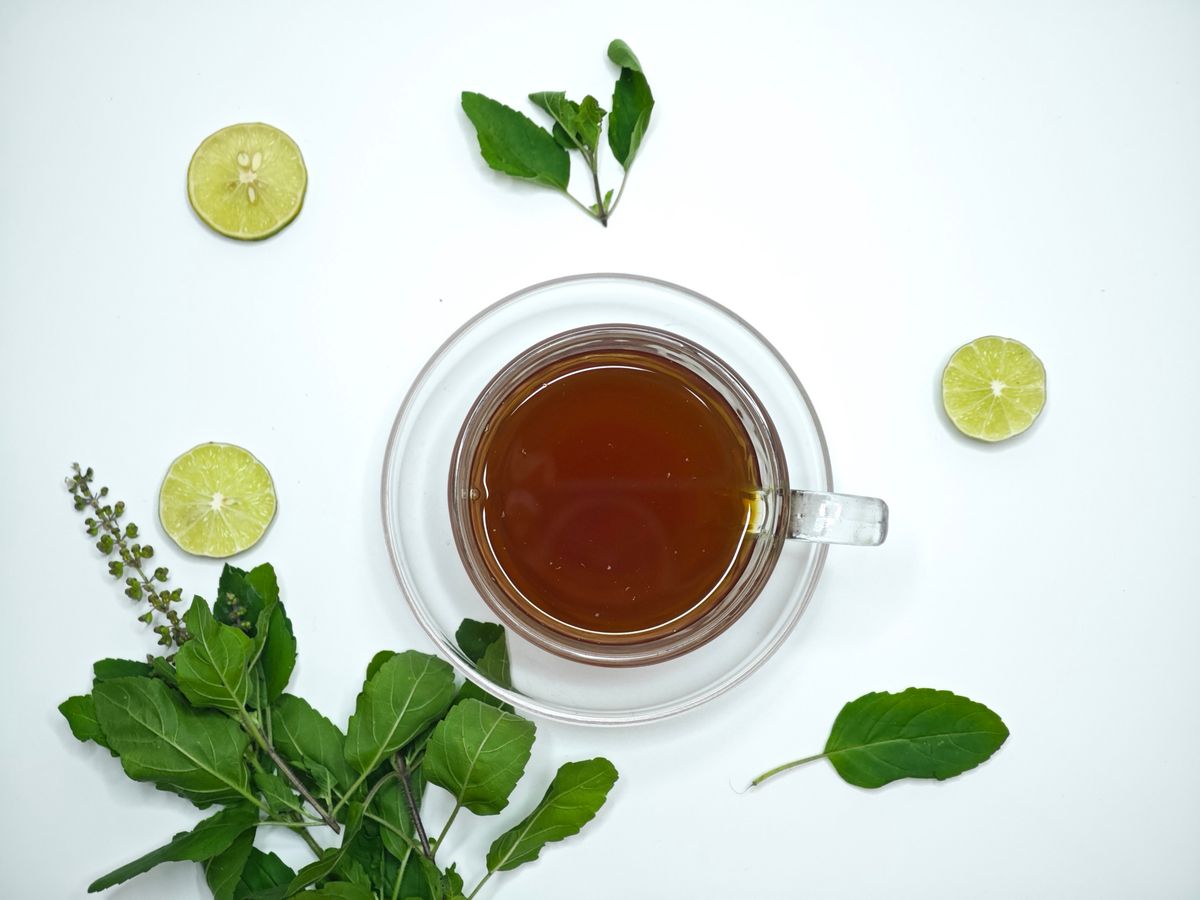
Holy basil (Ocimum sanctum or Ocimum tenuiflorum) is a foundational herb in Ayurvedic medicine. Western research has caught up in the past 20 years.
Mechanism: Holy basil produces a state subjectively described as "calm but alert," distinct from Ashwagandha's deeper sedation. The mechanism appears to involve direct modulation of corticosterone (the rodent equivalent of cortisol) production plus weak COX-2 inhibition.
Cohen (2014) reviewed the clinical literature and identified anxiolytic, adaptogenic, and immunomodulatory effects across multiple controlled trials, with effect sizes generally modest but consistent.
Dosing: 300-600mg of standardized extract daily, or 1-2 cups of strong tulsi tea daily. Loose-leaf or premium tea bags produce stronger effects than mass-market versions.
Effect window: Acute calming effect within hours. Cumulative HPA effects over 4-6 weeks.
Contraindications:
- Anticoagulants: Mild platelet effects.
- Hypoglycemic medications: Can enhance their effect; monitor blood sugar.
- Fertility considerations: Some animal research suggests possible effects on sperm; humans data is limited.
4. Reishi (Ganoderma Lucidum): The Long-Game Adaptogen
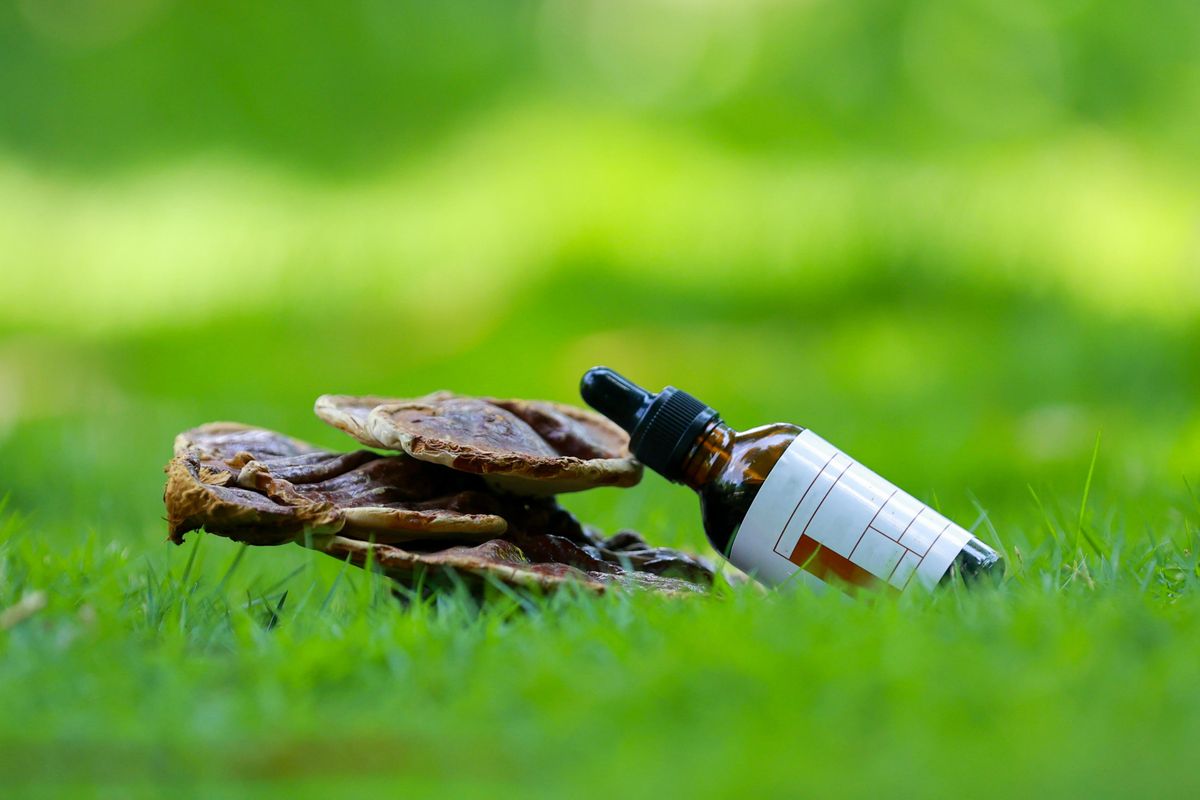
Reishi is a medicinal mushroom with one of the longest documented histories of use in traditional Chinese medicine. Modern research has identified specific compound classes (triterpenoids, polysaccharides) with measurable effects.
Mechanism: Reishi's adaptogenic effect appears to come primarily from immune modulation and HPA modulation. The triterpenoids show mild GABA-ergic activity at GABA-A receptors. The polysaccharides modulate immune function in ways that downstream affect chronic inflammatory load.
The 2019 review by Sanodiya et al. summarized the evidence: meaningful but slow-acting effects on stress markers, sleep quality, and inflammatory markers, typically requiring 8-12 weeks of consistent use.
Dosing: 1.5-3g daily of a dual-extract (water and alcohol) reishi powder or tincture. Standardized extracts vary widely in quality; look for verified beta-glucan content.
Effect window: Slow. Expect 8-12 weeks to evaluate.
Contraindications:
- Anticoagulants: Reishi has documented platelet effects.
- Immune-suppressing medications: Theoretical interference.
- Surgery: Stop 2 weeks before scheduled surgery.
The Protocol Around The Cortisol Curve
This is where most supplement guides go wrong. Cortisol follows a daily curve: peak ~30 minutes after waking (the cortisol awakening response), decline through the day, lowest around 3am. The supplements should respect this curve.
Morning (within 1 hour of waking): Do NOT take cortisol-blunting supplements. Your morning cortisol peak is normal and necessary for alertness. Blunting it produces drag.
Mid-morning (10am-noon): Phosphatidylserine 100mg + Ashwagandha 300mg (KSM-66).
Afternoon (2-4pm): Holy basil tea or extract 300mg. This is the cortisol-second-peak window where afternoon stress crashes typically occur.
Evening (5-7pm): Phosphatidylserine 100mg + Ashwagandha 300mg + Reishi 1.5g.
This timing protects the natural cortisol awakening response while modulating the chronic-stress overshoots that occur during the day and into the evening.
What This Stack Will Not Fix
1. The actual stressors. No supplement can resolve a chronic abusive workplace, untreated trauma, or sleep deprivation. The stack supports the body's recovery from stress; it does not remove the stress.
2. Hormonal dysfunction below or above the HPA axis. Thyroid issues, sex hormone imbalances, and metabolic dysfunction can produce similar subjective symptoms. Get bloodwork (TSH, free T3/T4, DHEA-S, sex hormones, fasting insulin) before assuming all symptoms are HPA-related.
3. The substrate work. Sleep (covered in our piece on ADHD sleep supplements) and aerobic movement do more for HPA recovery than any supplement stack. The supplements are additive.
Where TaskCoach Plays
The Body pillar in TaskCoach.AI can track daily stress ratings, energy curves, and sleep quality across the 8-12 week timeframe needed to evaluate this stack. The Journal mood ratings capture the subjective curve shifts that lab cortisol panels often miss. The pillar dashboard makes the long-arc recovery visible.
Without instrumentation, the slow improvement is invisible day to day.
A Gentle Reminder
The HPA axis took months or years to dysregulate. It does not heal in two weeks. The supplements support the architecture. The recovery happens in the substrate work, the sleep restoration, the gradual rebuilding of a sustainable load on the system.
Be patient with the body. It is doing its best. 🌿