The Stack Does Not Replace The Protocol. It Lowers The Biological Cost Of Running It.
If you have read our piece on the Transmutation Protocol, you already understand the mechanism: redirect mobilized dopamine and adrenergic substrate from cheap release into productive work. The bottleneck for most users is not understanding the protocol. The bottleneck is the metabolic cost of running it daily under real-world stress load.
This is where a targeted adaptogenic stack earns its place. Maca, Ashwagandha, and Rhodiola are not magic. They are three precision tools that interact with the HPA axis (cortisol) and HPG axis (sex hormones) in ways that lower the friction of sustained transmutation work.
Before the medical disclaimer: nothing below is medical advice. Supplements interact with medications, conditions, and individual physiology. Talk to a doctor before adding anything to your protocol. Below is mechanism, dosing, and the cycling rules most stack guides leave out.

1. Maca Root: The Mitochondrial Amplifier

Maca (Lepidium meyenii) is grown above 4,000 meters in the Peruvian Andes. The high-altitude oxidative stress produces a chemistry profile not found in lower-altitude crops.
Active compounds: Macamides and macaenes (unique to Maca), glucosinolates, and beta-sitosterol.
Mechanism:
The most interesting mechanism is FAAH inhibition. FAAH (fatty acid amide hydrolase) is the enzyme that breaks down anandamide, the body's endogenous endocannabinoid often called the "bliss molecule." Macamides have been shown in vitro and in animal models to inhibit FAAH (Almukadi et al., 2013; Brooks et al., 2008), extending anandamide's half-life.
The second mechanism is HPG-axis modulation. Multiple human trials have shown Maca does not significantly raise serum testosterone in healthy adults (Gonzales et al., 2003), but does increase reported libido and well-being independently of testosterone. The likely mechanism is increased androgen receptor sensitivity.
Dosing: 1.5-3g daily of gelatinized Maca powder. Gelatinization removes starches that can cause GI distress in raw Maca. Maca colors (red, black, yellow) differ in compound profile; black Maca shows the strongest mood and libido effects in trials.
Role in the stack: Amplifies the drive that the transmutation protocol channels. Provides the "fuel" without raising testosterone above natural baseline (which avoids the negative feedback loop that supraphysiological testosterone can trigger).
2. Ashwagandha: The Cortisol Brake
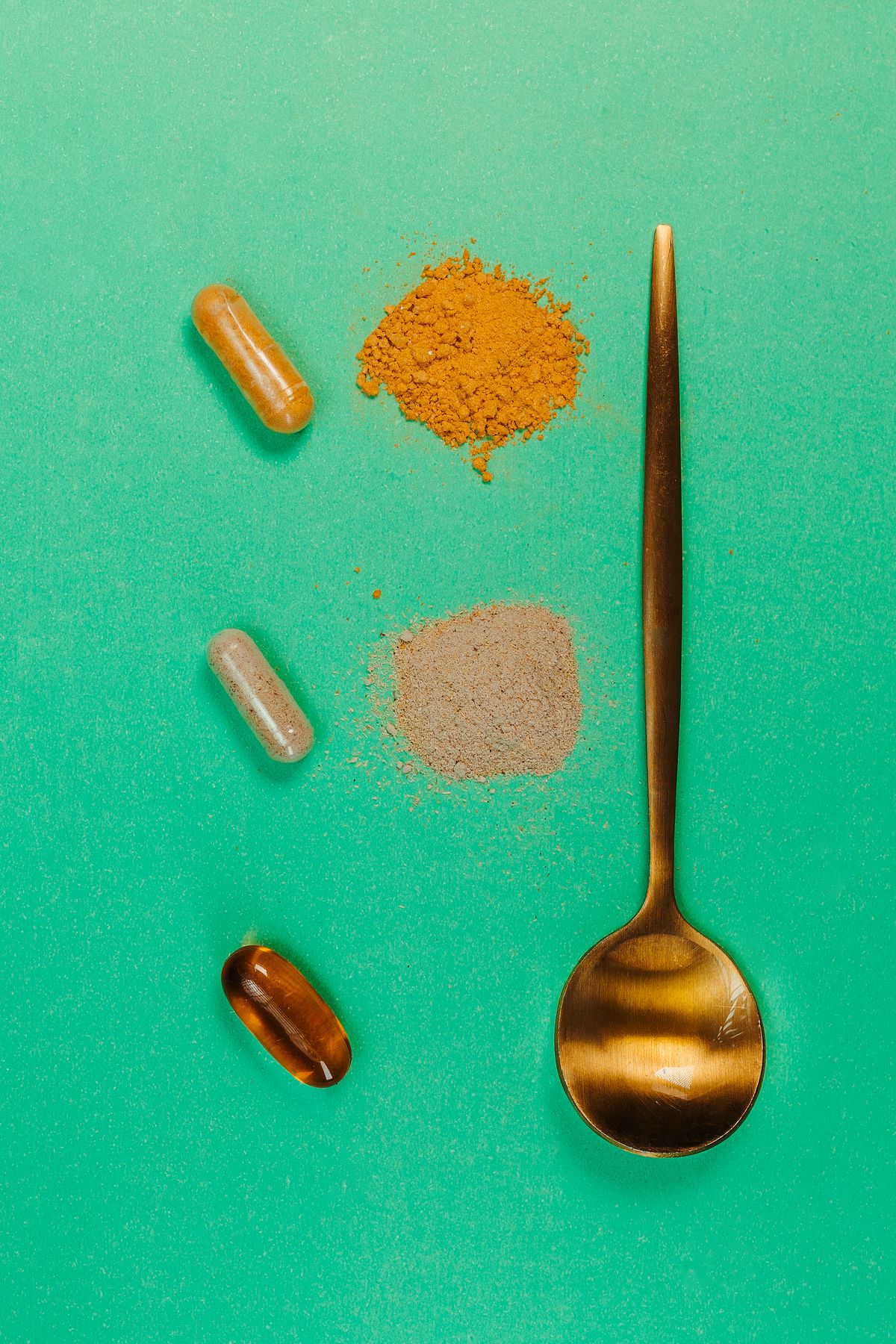
Ashwagandha (Withania somnifera) is one of the most studied adaptogens in the modern clinical literature. KSM-66 and Sensoril are the two best-standardized extracts.
Active compounds: Withanolides (especially withaferin A and withanolide A), sitoindosides, alkaloids.
Mechanism:
The primary effect is HPA-axis modulation. Multiple human trials have demonstrated significant cortisol reduction (Chandrasekhar et al., 2012; Lopresti et al., 2019), typically 20-30% drops in serum cortisol over 60 days at 600mg/day KSM-66.
Withanolides also show GABA-mimetic activity (Bhattacharya & Muruganandam, 2003), which is why Ashwagandha produces a subjective "calmer baseline" rather than sedation. The mechanism is at the GABA-A receptor, similar to but weaker than benzodiazepine binding.
There is also evidence of indirect dopamine receptor sensitivity preservation: by lowering chronic cortisol load, Ashwagandha prevents the cortisol-driven dopamine D2 receptor downregulation seen in chronic stress states (Volkow's work at NIDA on stress and D2 density).
Dosing: 300-600mg/day of KSM-66, typically split AM and PM, with meals.
Critical contraindications most guides skip:
- Thyroid: Ashwagandha can mildly raise thyroid hormone (T3 and T4) per Sharma et al. (2018). Contraindicated for hyperthyroid users and requires caution for those on levothyroxine.
- Autoimmune conditions: It is immunostimulatory; users with lupus, Hashimoto's, MS, or RA should consult their specialist.
- Pregnancy: Contraindicated. Traditional Ayurvedic use also avoided it in pregnancy.
- Sedative medications: GABAergic interactions matter.
Role in the stack: Builds the container. Lets the user hold mobilized energy without it converting to anxiety.
3. Rhodiola Rosea: The Prefrontal Engine
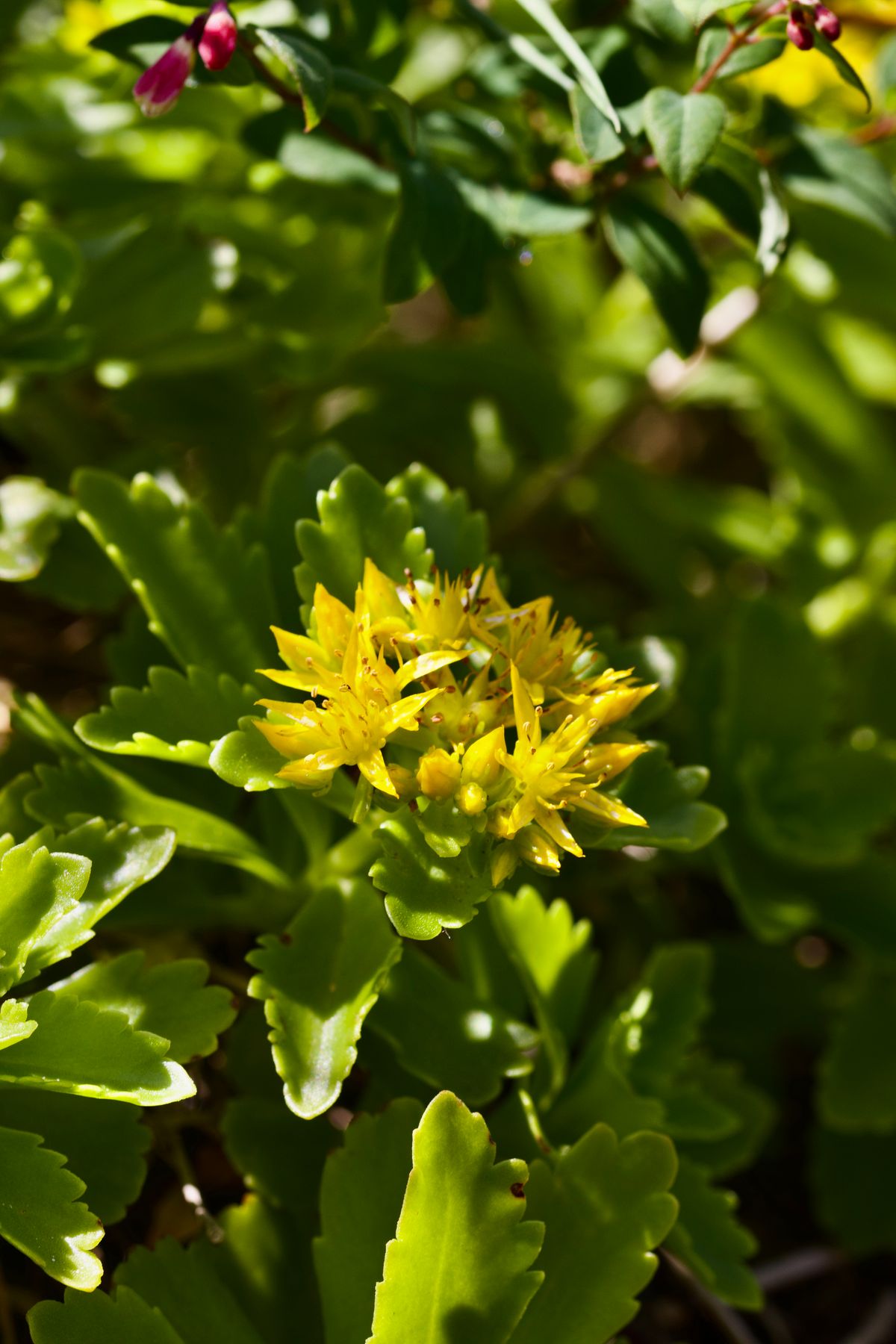
Rhodiola (Rhodiola rosea) grows in cold, high-altitude regions across Eurasia. Russian military and athletic research on it dates to the 1960s.
Active compounds: Salidroside, rosavin, rosin, tyrosol.
Mechanism:
Two convergent mechanisms. First, MAO-A inhibition (van Diermen et al., 2009): MAO-A is the enzyme that breaks down dopamine, norepinephrine, and serotonin in the synapse. Mild MAO-A inhibition extends the half-life of all three. This is why Rhodiola produces both energy and mild mood elevation without stimulant effects.
Second, salidroside has been shown to increase ATP synthesis in mitochondria (Abidov et al., 2003) and stimulate beta-endorphin release. The combined effect is "painless cognitive effort" during sustained mental work.
Dosing: 200-600mg/day of an extract standardized to 3% rosavins and 1% salidroside. Take in the morning; can interfere with sleep if taken late.
Critical contraindications:
- Bipolar disorder: Rhodiola can trigger mania. Hard contraindication.
- MAO inhibitor medications: Compounding MAO inhibition is dangerous.
- Serotonergic medications (SSRIs): Theoretical serotonin syndrome risk at high doses.
Role in the stack: Powers the prefrontal cortex through the afternoon dip when willpower normally collapses. Keeps the engine on during the hardest hours of execution.
The Synergy

Run together, the three produce a state the Russian sports medicine literature calls "adaptogenic stress resistance":
- Maca floods the system with anandamide and androgen receptor sensitivity (high drive).
- Ashwagandha blunts the cortisol that would normally convert drive into anxiety (high calm).
- Rhodiola keeps dopamine and ATP elevated in the prefrontal cortex (high focus).
Subjectively this lands as "relaxed alertness" or "calm intensity." The mobilized energy that the transmutation protocol wants you to channel is now present in larger volume with less anxious texture.
The Cycling Rules Most Stack Guides Get Wrong

Tolerance is the main issue with chronic adaptogen use. Three protocols handle it:
The 5/2 protocol (default). Take Monday-Friday. Off Saturday-Sunday. Mimics the natural weekly stress cycle and preserves receptor sensitivity.
The 6/1 protocol (high-load weeks). During heavy work cycles you may take all 7 days, but mandatory 1 full week off every 6-8 weeks.
The seasonal taper. Some advanced users cycle off the full stack for 1-2 weeks every quarter, regardless of weekly pattern. This is conservative but preserves long-term responsiveness.
What The Stack Will Not Do
Three honest limitations:
1. No replacement for the protocol. The stack lowers the cost of running transmutation. It does not run transmutation for you. Without the daily discipline of channeling mobilized energy into work, the stack just produces mildly better mood with no compounding gains.
2. Effect sizes are moderate. Each compound shows ~15-30% improvement on its primary marker in trials. Compounded, the subjective improvement is real but not transformative. Anyone selling "10x your testosterone in 7 days" is lying.
3. Individual variation is large. Roughly 20-30% of users show minimal response to any one adaptogen. The 30-day self-experiment is the only reliable test for personal response.
Where TaskCoach Plays
Adaptogen stacking pairs naturally with the Body and Mind pillars in TaskCoach.AI. Daily supplement compliance benefits from streak protection. The 5/2 cycling protocol can be programmed as a recurring habit with built-in rest days. The pillar dashboard makes mood, energy, and focus changes visible across 30-90 day windows, which is the only timeframe long enough to actually evaluate adaptogen response.
The architecture does not pick your stack. It tracks whether it is working.
The Bottom Line
Maca for drive. Ashwagandha for calm. Rhodiola for focus. Cycle the stack. Honor the contraindications. Treat the supplements as the additive layer on top of the actual protocol, not the protocol itself.
Master your biology. Then point it somewhere worth pointing.