Greetings, Traveler. The ADHD-Depression Overlap Is Underappreciated. The Substrate Layer Of It Is Workable.
A meaningful subset of ADHD adults also navigate clinical or sub-clinical depression. The DSM and ICD diagnostic frameworks treat these as separate disorders; the underlying biology is more interconnected than the categorical models suggest.
Dr. Stephen Faraone's work at SUNY Upstate and others have shown that the dopamine and serotonin pathways involved in ADHD overlap substantially with those implicated in mood disorders. The implication: substrate-level support for these pathways may benefit both conditions simultaneously.
The four compounds below have the strongest clinical evidence for mood support among supplements. None of them substitute for clinical treatment of major depression. All can complement treatment when integrated with prescriber oversight.
Standard disclaimer: nothing below is medical advice. Major depression requires clinical evaluation. The supplements supplement; they do not substitute.

1. EPA-Dominant Omega-3: The Most-Studied Mood Compound In Supplement Form
We covered omega-3 in our piece on the ADHD supplement stack. For mood specifically, the EPA-dominance matters even more.
Mechanism: EPA modulates neuroinflammation, which is implicated in depression in a growing body of research (Miller et al., 2016, on inflammation in depression). EPA also affects prostaglandin signaling and neuronal membrane fluidity.
The clinical literature is now extensive. Sublette et al. (2011) and subsequent meta-analyses have demonstrated that EPA-dominant omega-3 supplementation (EPA:DHA ratio >2:1) produces measurable improvements in depression scores, with effect sizes approaching low-dose SSRI medication in some study populations.
Dosing: 1,000-2,000mg combined EPA+DHA daily, with EPA:DHA ratio of at least 2:1, ideally 3:1. Take with a fatty meal.
Effect window: 8-12 weeks. Cumulative.
Quality matters substantially: IFOS or USP-certified products only. Oxidized fish oil is worse than no fish oil. The "burping fish" effect indicates oxidation; switch brands.
2. Vitamin D3 (with K2): The Hormone Misnamed As A Vitamin
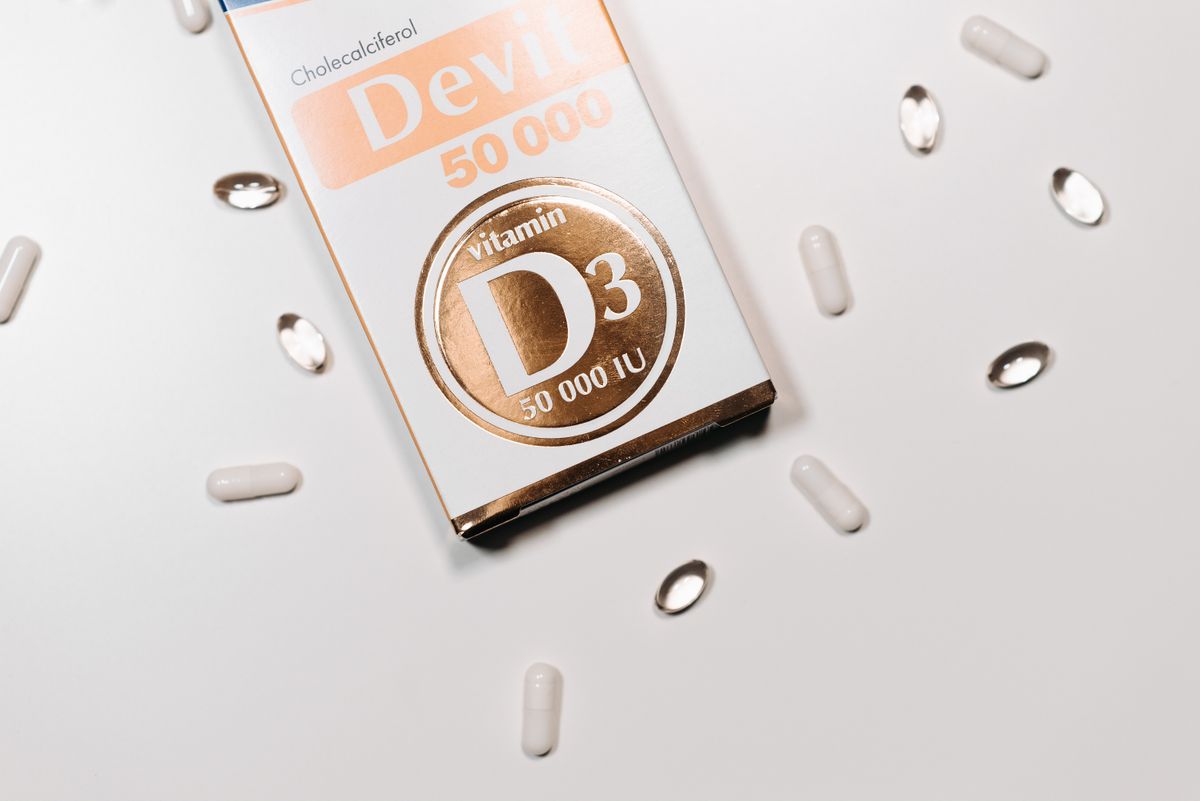
Vitamin D is technically a hormone. It has receptors in nearly every tissue including substantial concentrations in mood-regulating brain regions.
Mechanism: Vitamin D regulates serotonin synthesis (Patrick & Ames, 2014), modulates inflammatory pathways, and supports calcium signaling in neurons. Deficiency correlates with depression in multiple epidemiological studies; supplementation in deficient subjects has shown mood improvements in randomized trials.
The depression-vitamin D causal direction is debated (does low D cause depression, or does depression behavior produce less sun exposure leading to low D?), but the supplementation effect in deficient subjects is real.
Dosing: 2,000-5,000 IU vitamin D3 daily, with the largest fat-containing meal. Pair with vitamin K2 (MK-7 form, 90-180mcg daily) to ensure proper calcium handling; vitamin D without K2 can theoretically contribute to arterial calcification at high doses.
Test before supplementing chronically. Get a 25-hydroxyvitamin D blood test. Target range is 40-60 ng/mL (100-150 nmol/L). Levels above 100 ng/mL are not better and can produce hypercalcemia.
Effect window: 4-12 weeks for mood effects. Re-test serum levels at 3-6 months to confirm dosing is appropriate.
Caveats:
- Sarcoidosis and other granulomatous diseases: hard contraindication for D supplementation without medical supervision.
- Thiazide diuretics: monitor calcium.
- Pregnancy: standard prenatal dosing.
3. SAM-e (S-Adenosyl Methionine): The Methylation Compound
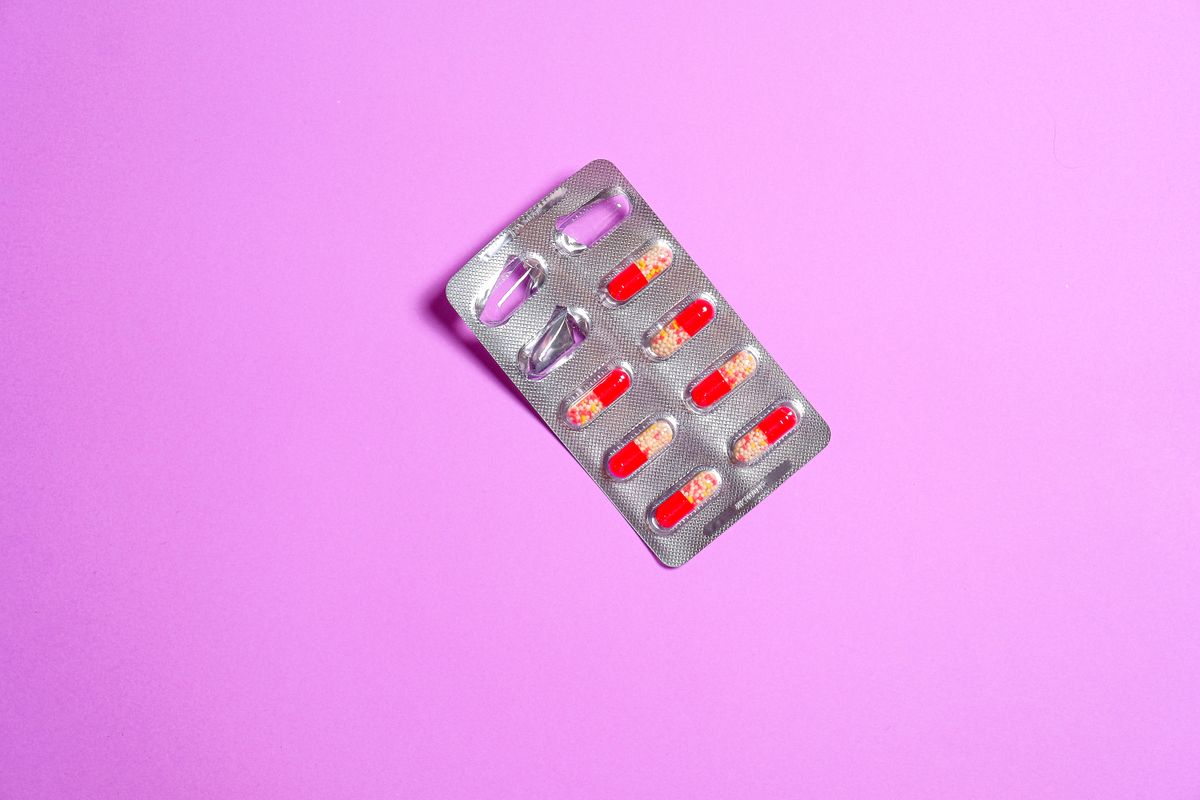
SAM-e is an endogenous compound (your body makes it) that functions as the universal methyl donor in hundreds of reactions including neurotransmitter synthesis.
Mechanism: SAM-e donates methyl groups required for the synthesis of dopamine, norepinephrine, and serotonin from their amino acid precursors. It also affects DNA and protein methylation patterns relevant to neuronal function.
The clinical evidence is substantial: meta-analyses including Sharma et al. (2017) have shown SAM-e produces antidepressant effects comparable to tricyclics in some trials, with significantly fewer side effects.
Dosing: 400-1,600mg/day, divided AM and afternoon, on an empty stomach. Start at the low end (400mg) and titrate up over 2-3 weeks.
Quality matters substantially. SAM-e is unstable; many cheap brands have degraded product. Look for blister-packed enteric-coated tablets with high-purity SAM-e (avoid generic bulk powders).
Critical contraindications:
- Bipolar disorder: SAM-e can trigger mania. Hard contraindication without psychiatric supervision.
- Pregnancy: Limited safety data.
- MAOIs: Theoretical interaction; consult prescriber.
- Parkinson's medication: Theoretical methylation interaction.
Effect window: Some users report mood improvements within 1-2 weeks. Generally 4-6 weeks for full effect.
4. L-Methylfolate (5-MTHF): The Bioactive Folate

Folate is involved in one-carbon metabolism, the pathway that produces methyl groups (the same pathway SAM-e depends on). Many adults have genetic polymorphisms (MTHFR) that limit their ability to convert synthetic folic acid into the bioactive L-methylfolate form.
Mechanism: L-methylfolate supports neurotransmitter synthesis (the same dopamine/serotonin/norepinephrine pathways as SAM-e) and DNA methylation. Adjunctive L-methylfolate has been shown to enhance response to SSRI medication in subjects with depression who had not fully responded to medication alone (Papakostas et al., 2012).
Dosing: 1-15mg L-methylfolate daily. Most general supplementation uses 1-5mg; the higher doses (7.5-15mg) are used clinically as SSRI augmentation and require prescriber oversight.
Pair with methyl-B12 (methylcobalamin, 1,000-5,000mcg daily). The two work synergistically; supplementing folate without B12 can mask B12 deficiency.
Caveats:
- Some users experience overmethylation symptoms (anxiety, irritability, insomnia) at higher doses. Start low.
- Bipolar disorder: caution; methylation modulation can affect mood states.
- Genetic testing for MTHFR variants is informative but not strictly required to start supplementation.
The Protocol
A representative daily mood-stabilizer stack:
Morning (breakfast): 1,500mg combined EPA+DHA (with 1,000mg EPA, 500mg DHA) + 2,000-5,000 IU Vitamin D3 + 90mcg K2 (MK-7) + 1-5mg L-methylfolate + 1,000mcg methylcobalamin.
Mid-morning (empty stomach, 30 min before lunch): 400-800mg SAM-e.
Afternoon (empty stomach, 30 min before dinner): 400-800mg SAM-e if dosing is split.
The stack runs daily and consistently. Mood effects are cumulative; expect 6-12 weeks for full evaluation.
What This Stack Will Not Fix
1. Major depressive disorder requiring clinical treatment. If you are experiencing suicidal ideation, persistent severe anhedonia, or inability to function, see a clinician. The supplements supplement; they do not substitute for clinical care.
2. Bipolar disorder. Several compounds in this stack (SAM-e, L-methylfolate at high doses, vitamin D in some cases) can trigger mood instability in bipolar subjects. Psychiatric supervision is required.
3. Untreated thyroid dysfunction. Hypothyroidism produces mood symptoms identical to depression. Always rule out thyroid before assuming mood-pathway intervention is the right target.
What Most "Mood Stack" Guides Get Wrong
Three common errors:
1. Promoting 5-HTP as a serotonin precursor. 5-HTP has serotonin syndrome stacking risk with many medications and produces inconsistent results in clinical trials. EPA, vitamin D, and SAM-e are more evidence-supported.
2. Skipping the K2 with high-dose vitamin D. The calcium-handling issue is real at chronic supplementation above 2,000 IU/day.
3. Recommending synthetic folic acid for "energy." Adults with MTHFR variants poorly convert synthetic folic acid; L-methylfolate is the bioactive form that produces clinical effects.
Where TaskCoach Plays
The Mind pillar in TaskCoach.AI tracks daily mood, supplement adherence, and pillar-balance shifts over time. The 6-12 week window needed to evaluate mood-stack effects is precisely where the Journal mood ratings and pillar dashboard make the curve visible.
Without instrumentation, the gradual improvement is hard to perceive. With it, the cumulative effect becomes obvious.
The Bottom Line
EPA-dominant omega-3 for inflammation and neurotransmitter signaling. Vitamin D3 + K2 for the hormone level. SAM-e for methylation-driven neurotransmitter synthesis. L-methylfolate + B12 for the one-carbon metabolism substrate.
These are substrate-level compounds. They work slowly. They work cumulatively. They complement, not substitute for, clinical treatment when treatment is indicated.
Patience with the body. The substrate matters more than the speed.