The detox does the work. Supplements just make the worst days hurt less.
If you've read our piece on the 21-day dopamine detox protocol, you already know where the real work happens: cut the cheap-dopamine inputs, get sleep and movement back on track, and put the energy that frees up into something that actually matters. That's what moves the curve. Supplements don't change it.
What supplements can do is make the roughest stretch more bearable, days 3 through 10, plus the flat, gray stretch around days 22 through 45 if you're running a longer protocol. Three compounds have real research behind them. Everything else that gets recommended on Reddit is mostly noise.
One disclaimer before anything else: this isn't medical advice. Talk to a prescriber, especially if you're on psychiatric medication. Several of these compounds interact with common prescriptions in ways worth knowing about first.
1. N-acetyl cysteine (NAC): the compulsive-behavior modulator
NAC is probably the single most studied non-pharmaceutical compound in the addiction-recovery literature, and its mechanism is genuinely unusual.
Active compound: N-acetyl cysteine, a precursor to glutathione, the body's main antioxidant.
How it works:
NAC works on the glutamate system, restoring normal glutamate signaling in the nucleus accumbens, the brain region most tied to reward-seeking and craving. Peter Kalivas at the Medical University of South Carolina built the foundational theory behind this: chronic addictive behavior disrupts glutamate balance in that region, and NAC helps restore it.
Clinical trials back this up across several types of compulsive behavior. Researchers found NAC reduced cocaine cravings in a small crossover trial, cut urges in patients with pathological gambling, and improved symptoms in about half of a group of adults with trichotillomania (compulsive hair-pulling) in a placebo-controlled study. A more recent small case series also found it helped several patients with compulsive sexual behavior, though that evidence is thinner and comes from case reports rather than a controlled trial.
Dosing: 1,200 to 2,400mg a day, usually split between morning and evening with meals. Give it time: effects build gradually, and 4 to 8 weeks is a fair trial before you judge whether it's doing anything. NAC smells like sulfur when it's fresh. That's normal, not a sign it's gone bad.
Contraindications:
- Asthma: some users report bronchospasm.
- Anticoagulants: mild effects on platelets.
- Pregnancy: the data here is limited.
Its job in the stack: take the edge off craving spikes during early withdrawal. It won't erase the craving. It turns the volume down.
2. Mucuna pruriens: the L-DOPA source
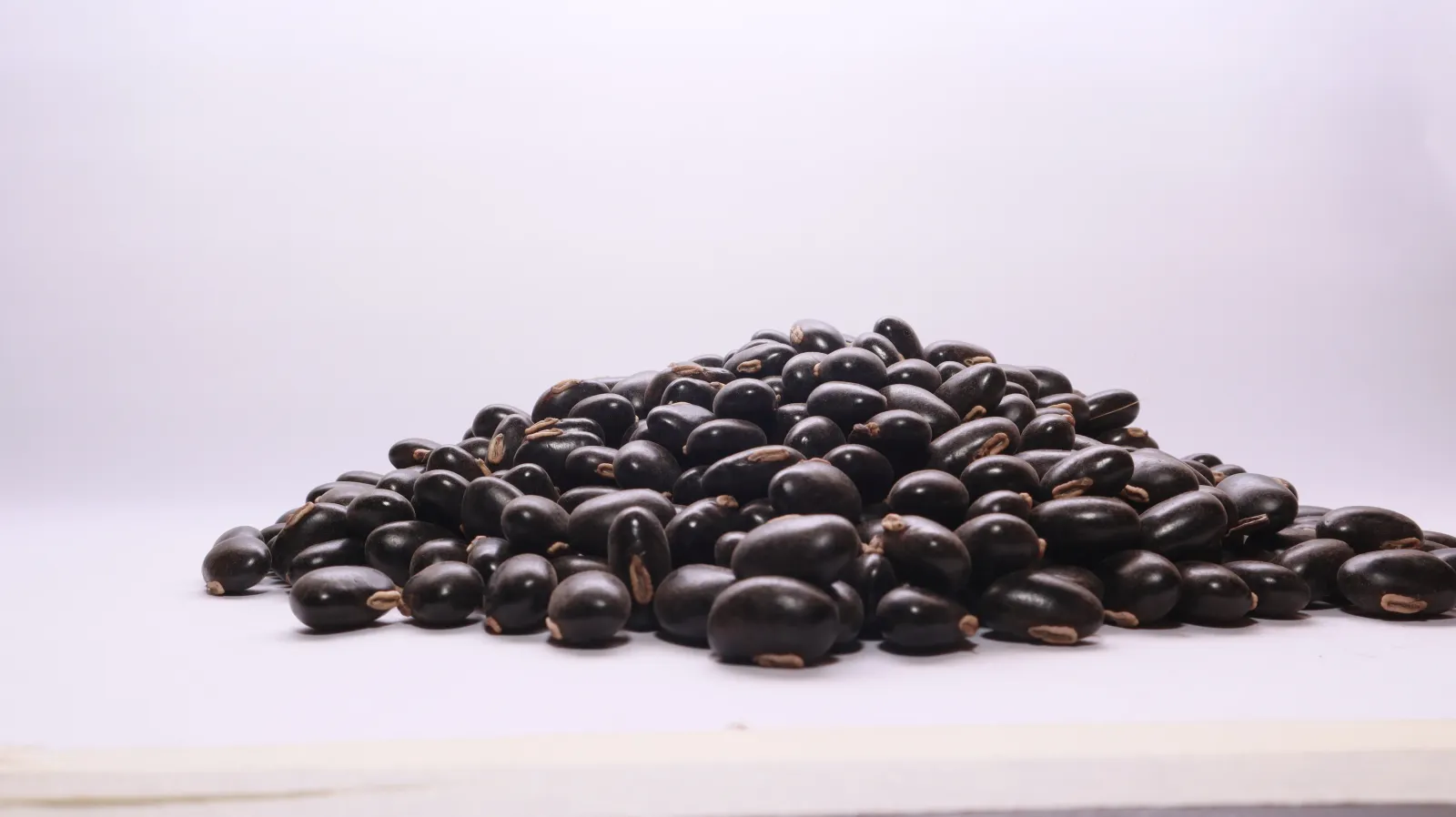
Mucuna (Mucuna pruriens), also called velvet bean, is a legume native to India and parts of Africa. It's the richest natural plant source of L-DOPA, the direct precursor to dopamine.
Active compound: L-DOPA (levodopa). Standardized extracts run 15 to 50% L-DOPA by weight, depending on the product.
How it works:
L-DOPA crosses the blood-brain barrier and gets converted into dopamine once it's there. It's the same compound used in pharmaceutical levodopa for Parkinson's disease, where dopamine-producing neurons have died off.
Using it for receptor recovery is a different, more contested case. L-DOPA gives you a quick rise in synaptic dopamine, which can blunt the flat, joyless feeling of early withdrawal. But used every day, it risks pushing your receptors further into the same desensitized state you're trying to climb out of.
This is the compound people most often misuse. Taking Mucuna daily, long-term, can recreate the exact receptor downregulation you started this protocol to fix. The evidence supports occasional use, not a daily habit.
Dosing: 200 to 500mg of a 15%-standardized L-DOPA extract, taken as needed on the worst days of early withdrawal, typically days 3 through 7. Cap it at 2-3 days a week, and never run it daily for more than a week straight.
Contraindications, and these are hard lines:
- MAOI medications: a hard no. Risk of hypertensive crisis.
- Antipsychotic medications: directly interferes with how they work.
- Parkinson's medication (levodopa): stacking the two is dangerous.
- Pregnancy and breastfeeding: avoid.
Its job in the stack: rescue support on the worst withdrawal days. Nothing more, and not every day.
3. L-tyrosine: the sustainable precursor
We covered tyrosine in more depth in our piece on the ADHD supplement stack. Here, it's the steady, daily-use alternative to Mucuna.
How it works: tyrosine is the amino acid sitting two steps upstream of dopamine (tyrosine, then L-DOPA, then dopamine). Because your body still has to run it through the rate-limiting enzyme tyrosine hydroxylase, supplementing it doesn't skip your normal regulatory controls the way L-DOPA does. That's what makes it safe for daily use, unlike Mucuna.
Dosing: 500 to 1,500mg a day on an empty stomach, in the morning. During the roughest phase of a dopamine detox, splitting it into two doses (morning and early afternoon) tends to help more.
Contraindications:
- MAOI medications
- Hyperthyroid conditions
- Phenylketonuria (PKU)
Its job in the stack: daily substrate support for the full 21-day protocol and the maintenance phase after it. It's especially useful if you're running this alongside ADHD treatment, which we cover in our piece on the NoFap-ADHD intersection.
What this stack does not do
Three limits worth being honest about.
NAC and tyrosine produce modest results. Expect something like a 15-25% improvement on your worst withdrawal days, not a transformation.
Mucuna is strictly an acute tool. Using it daily runs directly against what the protocol is trying to accomplish. Treat it like a fire extinguisher, not a daily vitamin.
None of these three compounds replace the substrate work. Sleep, movement, real social contact, and actually removing the cheap-dopamine inputs that got you here: that's what does the actual recovering. Supplements smooth out the rough patches along the way. They don't change where you end up.
What to skip (despite its popularity on Reddit)
Phenylalanine. A cousin of tyrosine, with a worse safety profile and more interactions to worry about.
Bromantane and Selank. Russian-developed compounds with thin trial data outside Russia and murky regulatory status elsewhere.
High-dose B6. Marketed as dopamine support, but the doses commonly recommended in forums are high enough to cause nerve damage.
Galantamine "stacks." Sold as a way to balance dopamine and acetylcholine. The evidence for that claim is thin.
The protocol
If you're running this stack alongside the 21-day dopamine detox:
Days 1-7: Tyrosine daily (500mg, morning). NAC daily (600mg morning, 600mg evening). Mucuna as needed, on the worst 2-3 days only.
Days 8-14: Tyrosine daily. NAC daily. Drop the Mucuna.
Days 15-21: Keep going. Sleep and the substrate work are doing most of the heavy lifting by now; the supplements are a minor add-on.
Days 22 and beyond (maintenance): Tyrosine as needed on mornings with heavy cognitive demands. NAC daily if you have a history of compulsive behavior, with a week off every 8-12 weeks.
Where TaskCoach fits in
The Body pillar in TaskCoach.AI can track daily supplement adherence and any side effects you notice. The Mood and Energy ratings in the Journal capture the shape of your recovery curve, which is genuinely hard to feel from inside the worst days. The pillar dashboards then show you whether the supplements actually track with how you're feeling.
That tracking matters more than the supplements do.
The bottom line
NAC for craving modulation. L-tyrosine for daily substrate support. Mucuna for rescue use on the worst days only, nowhere else in the rotation. None of it replaces the substrate work. All three have real evidence behind them and can genuinely lower how much the 21-day curve hurts.
Trust the substrate. Use the science where it helps. Run the protocol.