The Dopamine Detox Works Without Supplements. The Supplements Make The Worst Days Easier.
If you have read our piece on the 21-day dopamine detox protocol, you know the substrate work: kill the cheap-dopamine inputs, restore sleep and movement, channel the freed energy into meaningful output. The 21-day curve is mostly substrate. Supplements do not change the curve.
What supplements can do is reduce the suffering during the worst phase (days 3-10, plus the flatline at days 22-45 for those running longer protocols). Three compounds with real research support are worth knowing about. The rest of what gets recommended on Reddit is mostly noise.
Standard medical disclaimer: this is not medical advice. Talk to a prescriber, especially if you take psychiatric medication. Most of these compounds have meaningful interactions.

1. N-Acetyl Cysteine (NAC): The Compulsive-Behavior Modulator
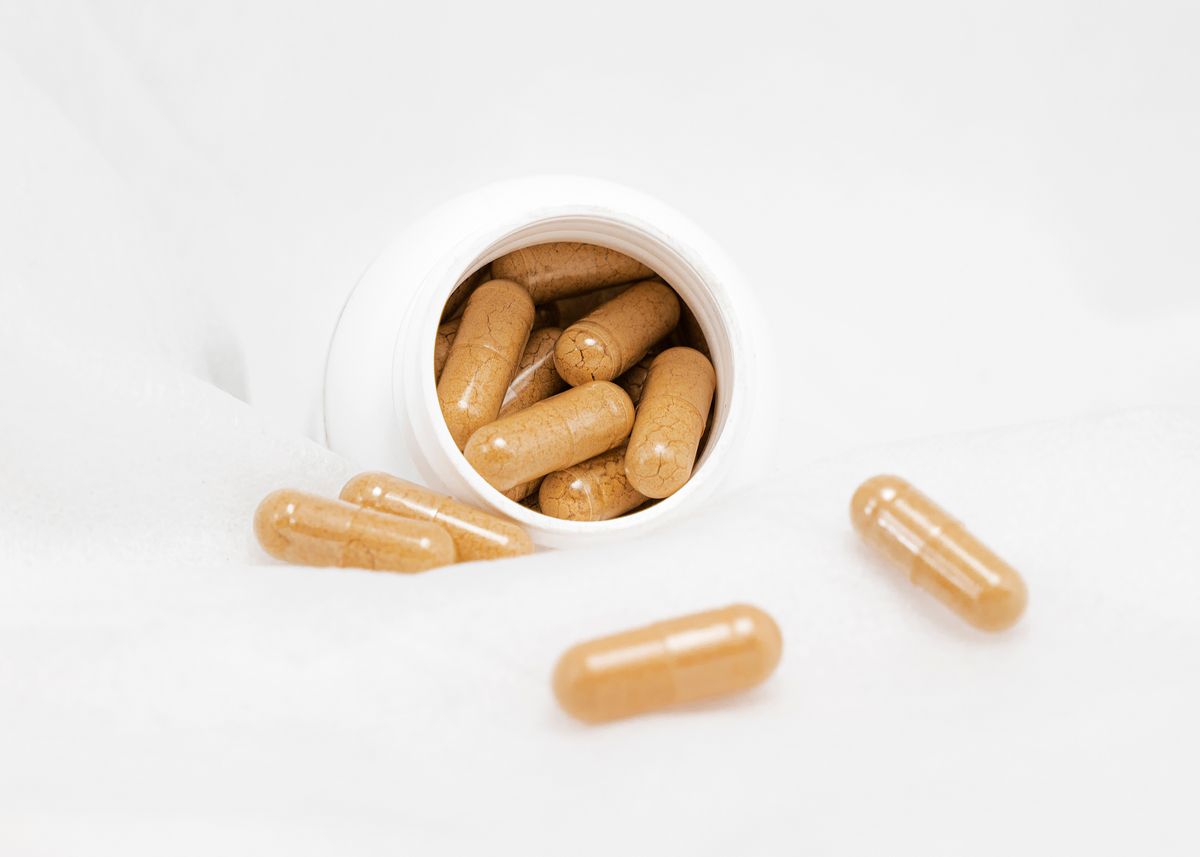
NAC is the most studied compound in the addiction-recovery literature outside of pharmaceuticals. The mechanism is unusual.
Active compound: N-acetyl cysteine, a precursor to glutathione (the body's master antioxidant).
Mechanism:
NAC modulates the glutamate system, specifically by restoring glutamate signaling in the nucleus accumbens. This is the brain region central to reward-seeking and craving. The work originates with Peter Kalivas at the Medical University of South Carolina, who demonstrated NAC restores glutamate homeostasis disrupted by chronic addictive behavior (Kalivas et al., 2005 onwards).
Clinical trials have shown NAC produces measurable reductions in compulsive behavior across multiple domains: cocaine craving (LaRowe et al., 2007), gambling (Grant et al., 2007), trichotillomania (Grant et al., 2009), and pornography use (limited but suggestive evidence in 2010s case series).
Dosing: 1,200-2,400mg/day, typically split AM/PM with meals. Effect onset is gradual; expect 4-8 weeks to evaluate. NAC has a sulfur smell when fresh, which is normal.
Contraindications:
- Asthma: Some users report bronchospasm.
- Anticoagulants: Mild platelet effects.
- Pregnancy: Limited data.
Role in the stack: Reduces the intensity of the craving spikes that occur during early withdrawal. Does not eliminate cravings; lowers their amplitude.
2. Mucuna Pruriens: The L-DOPA Source

Mucuna (Mucuna pruriens), also called velvet bean, is a legume native to India and parts of Africa. It is the highest naturally occurring source of L-DOPA, the direct precursor to dopamine.
Active compound: L-DOPA (levodopa). Standardized Mucuna extracts contain 15-50% L-DOPA by weight.
Mechanism:
L-DOPA crosses the blood-brain barrier and is converted to dopamine in the brain. This is the same compound used in pharmaceutical-grade levodopa for Parkinson's disease, where dopamine-producing neurons have degenerated.
For recovery from receptor downregulation, the logic is different and more controversial: L-DOPA briefly raises synaptic dopamine, which can help with the anhedonia of early withdrawal but risks further desensitization if used chronically.
This is the supplement most likely to be misused. Daily long-term Mucuna use can reproduce exactly the receptor downregulation pattern you are trying to recover from. The evidence-based protocol is acute use only, not chronic.
Dosing: 200-500mg of a 15% L-DOPA standardized extract, used PRN on the worst days of early withdrawal (typically days 3-7). Maximum 2-3 days per week, never daily for more than a week.
Critical contraindications:
- MAOI medications: Hard contraindication, hypertensive crisis risk
- Antipsychotic medications: Direct mechanism interference
- Parkinson's medication (levodopa): Stacking is dangerous
- Pregnancy and breastfeeding: Avoid
Role in the stack: Acute support during the worst withdrawal days only. Not a daily compound.
3. L-Tyrosine: The Sustainable Precursor
We covered Tyrosine in our piece on the ADHD supplement stack. It belongs in the dopamine reboot stack as the sustainable, daily-use alternative to Mucuna.
Mechanism: Tyrosine is the amino acid precursor two steps upstream of dopamine (Tyrosine → L-DOPA → Dopamine). Because it requires the rate-limiting enzyme tyrosine hydroxylase, supplementation does not bypass the normal regulatory mechanism the way L-DOPA does. This makes it safer for chronic use.
Dosing: 500-1,500mg/day on an empty stomach, in the morning. During the worst phase of dopamine detox, twice daily (AM and early afternoon) can help.
Contraindications:
- MAOI medications
- Hyperthyroid conditions
- Phenylketonuria
Role in the stack: Daily substrate support throughout the 21-day protocol and the subsequent maintenance phase. Especially useful for ADHD users running both protocols simultaneously (covered in our piece on the NoFap-ADHD intersection).
What This Stack Does Not Do
Three honest limitations:
1. NAC and Tyrosine produce modest effect sizes. Expect 15-25% improvement on the worst withdrawal days. Not transformative.
2. Mucuna is acute-only. Daily Mucuna use is the opposite of what the protocol needs. Treat it as a rescue tool, not a maintenance supplement.
3. None of these compounds bypass the substrate work. Sleep, movement, social contact, and removing the original cheap-dopamine inputs do the actual recovery. The supplements smooth the curve. They do not change the destination.
What I Would Avoid (Despite Reddit Popularity)
Phenylalanine: Cousin of tyrosine but with worse safety profile, more interactions.
Bromantane / Selank: Russian research-only compounds with thin Western trials and unclear regulatory status.
High-dose B6: Promoted as dopamine support but produces neuropathy at doses commonly recommended on forums.
Galantamine "stacks": Marketed for dopamine-acetylcholine balance but the evidence is thin.
The Protocol
If running this stack alongside the 21-day dopamine detox protocol:
Days 1-7: Tyrosine daily (500mg AM). NAC daily (600mg AM + 600mg PM). Mucuna PRN on the worst 2-3 days only.
Days 8-14: Tyrosine daily. NAC daily. Drop Mucuna.
Days 15-21: Continue. Sleep and substrate work are doing the heavy lifting; the supplements are minor additions.
Days 22+ (maintenance): Tyrosine PRN for high-cognitive-demand mornings. NAC daily if compulsive behavior history. Cycle off NAC for one week every 8-12 weeks.
Where TaskCoach Plays
The Body pillar in TaskCoach.AI can track daily supplement adherence and side effects. The Mood and Energy ratings in the Journal capture the curve of recovery in a way that is otherwise hard to feel in the middle of the worst days. Pillar dashboards reveal whether the supplements correlate with subjective improvement.
The instrumentation matters more than the supplements themselves.
The Bottom Line
NAC for craving modulation. L-Tyrosine for daily substrate. Mucuna for acute rescue on the worst days only. None of these replaces the substrate work. All three are evidence-supported tools that can lower the suffering of the 21-day curve.
Stack the science. Trust the substrate. Run the protocol.