The Sit Still And Focus Advice Was Engineered Against You.
I will state this operationally. The dominant productivity advice, from open-plan offices to Pomodoro timers to "deep work" methodology, assumes you can extract focus from a stationary body. For neurotypical brains, this assumption holds reasonably well. For ADHD brains, it is structurally false.
Every piece of evidence we have from the past 25 years of ADHD neuroscience points in the same direction: the ADHD brain produces its best cognitive output in motion, not in stillness.
This is not a quirk. It is the substrate. And the implication is that almost every productivity ritual you have been taught was probably designed against your wiring.

What The Research Actually Shows
Dr. John Ratey, Harvard Medical School psychiatrist and author of Spark: The Revolutionary New Science of Exercise and the Brain, has spent two decades documenting the neurochemical case for movement in ADHD treatment. The summary version:
1. Aerobic exercise acutely raises dopamine and norepinephrine. The same two neurotransmitters that ADHD medications target. A 20-30 minute aerobic session produces a measurable spike in availability of both, with effects lasting roughly 2-4 hours post-exercise.
2. Movement reduces default mode network activity. As we discussed in our piece on the default mode network, ADHD brains often run hyperactive DMN states that produce rumination and self-referential noise. Aerobic exercise is one of the four evidence-based DMN-quieting interventions.
3. Sustained movement extends focus duration. A 2019 University of Iowa study by Pontifex et al. found that single-session aerobic exercise produced measurable improvements in selective attention and inhibitory control in ADHD adults, with effects lasting through the working day.
4. Fidgeting itself improves cognition. This is the surprising finding. Research by Mark Rapport at UCF on hyperactive movement in ADHD children showed that the movement was directly correlated with improved working-memory performance. The fidgeting was not a distraction from the work. It was the substrate that made the work possible.
The cumulative implication: trying to focus from a stationary body is asking the ADHD brain to operate at half capacity.
The Three Movement Categories That Matter
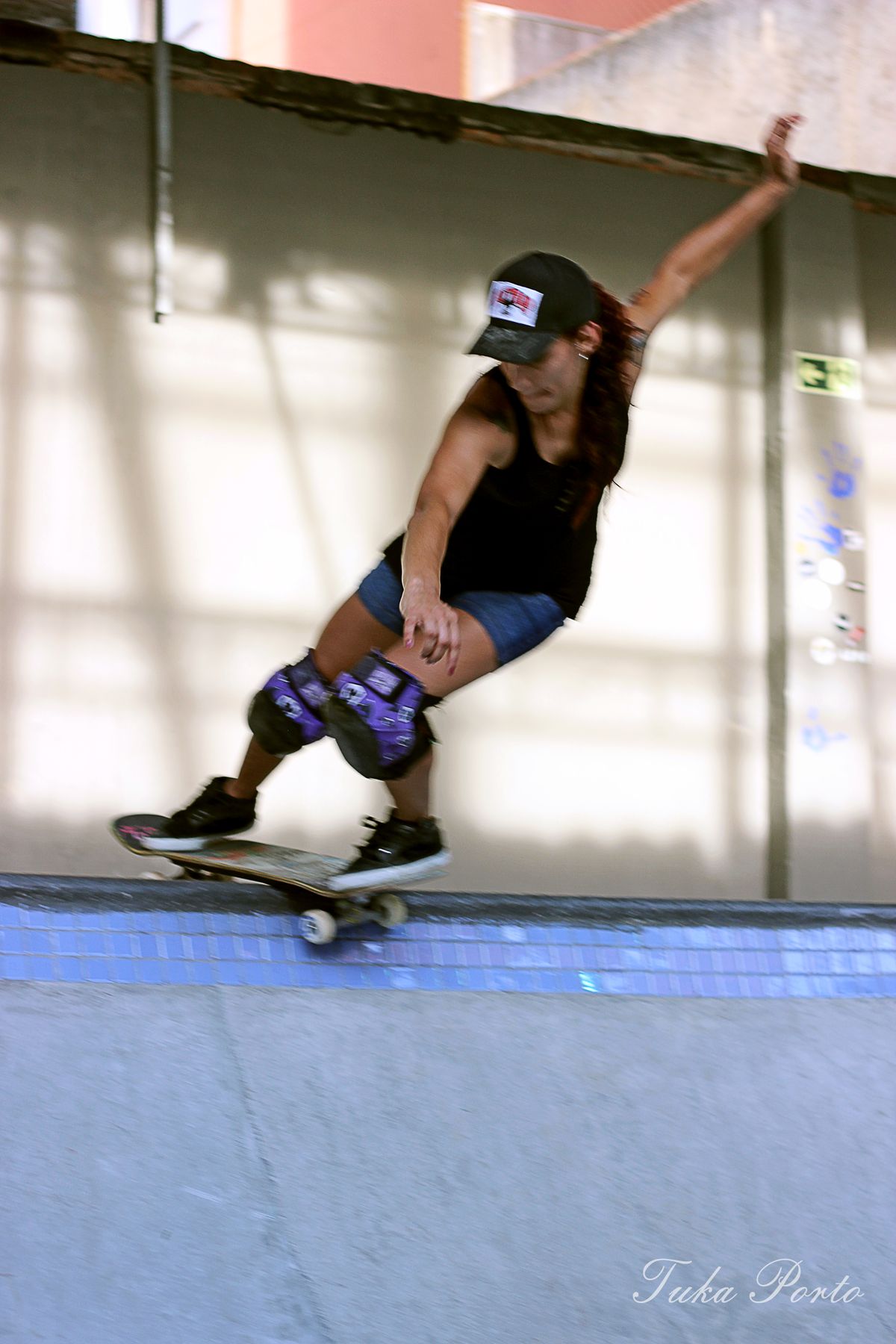
Not all movement is equivalent. Three categories produce different effects and serve different purposes.
Category 1: Acute aerobic (20-30 minutes, before work). Raises dopamine baseline for the entire working session. This is the prefrontal-cortex prep step. Best done first thing in the morning, before the most cognitively demanding task of the day.
Category 2: Sustained low-intensity (walking meetings, treadmill desks). Keeps the body in mild motion during cognitive work. The mechanism is different from acute exercise: continuous low-grade dopamine availability rather than a pre-work spike.
Category 3: Micro-movement (fidget tools, leg bouncing, standing breaks). Provides the substrate of restless-movement availability that Rapport's research identified. This is the category most ADHD adults have been trained to suppress (see ADHD masking) and need permission to recover.
The 5-Part Movement Protocol

Built from Ratey's clinical work plus contemporary ADHD coaching practice.
Step 1: Morning Aerobic, Before The Hardest Task
30 minutes of moderately intense aerobic exercise (heart rate 70-80% of max) before the highest-stakes cognitive work of the day. Running, cycling, swimming, fast walking with intervals. The key is sustained heart-rate elevation, not strength training.
The post-exercise window of 1-3 hours is your prefrontal-cortex sweet spot. Schedule deep work accordingly.
Step 2: Walking Meetings For Anything That Does Not Require A Screen
Phone calls, brainstorming sessions, 1:1 check-ins. Convert as many of these as possible to walking meetings. The walking-and-talking format reliably produces better thinking for ADHD brains than the seated equivalent. Steve Jobs famously held most of his meetings while walking; the practice is older than the research, but the research has caught up.
The mechanism is the same: sustained low-intensity movement extending available executive function.
Step 3: Standing Or Walking Desk For Routine Work
For email, light writing, planning work, and similar tasks, a standing desk or under-desk treadmill keeps the body in motion without compromising the work. Not for deep coding or complex writing (those usually need a seated focused position), but for the 40% of routine work that fills most days.
Step 4: Permission To Fidget
Mark Rapport's research is unambiguous: the fidgeting is the working-memory substrate. Stop suppressing it. Fidget tools at the desk. Leg bouncing during meetings (when not visibly distracting). Standing breaks every 25 minutes. The body wants to move. Let it.
This is also where the unmasking work from our piece on ADHD masking intersects directly: the suppression of natural ADHD movement is one of the biggest masking energy costs.
Step 5: Outdoor Movement, Whenever Possible
Outdoor movement compounds the benefits with additional mechanisms: morning sunlight (see ADHD sleep), visual scanning, novelty exposure. A 30-minute walk outside is roughly 1.4x as effective as the same walk on a treadmill, per the research compiled by Marc Berman at the University of Chicago on attention restoration.
What This Means For Your Workspace

Practical implications for ADHD adults building a workspace:
- Standing desk or treadmill desk as default position
- Fidget tools visible and accessible
- A clear path for a 5-minute walk every 60-90 minutes
- Meeting culture that supports walking 1:1s
- Outdoor option for breaks and lunch
The setup is not optional infrastructure. It is the substrate that makes the cognitive work possible.
Where Algorithmic Coaching Plays
The hardest part of movement-anchored productivity is the consistency. The morning aerobic session collapses first when life gets busy, and the rest of the protocol degrades from there.
TaskCoach.AI runs movement as a Body-pillar habit with streak protection, integrated into the daily morning sequence. The architecture protects the substrate. Related: our piece on identity-based habits covers why "I am someone who moves daily" is more durable than "I exercise 4 times a week."
The Bottom Line
The advice to sit still and focus was written for a brain that is not yours. The ADHD brain produces its best work in motion: acute aerobic before the day, sustained low-intensity through the day, micro-fidgets during the work, outdoor whenever possible.
Build the workspace around movement. Stop suppressing the body. The cognition follows.
Move first. Think second. Output third. In that order.