The Pace Nobody Trains At
Most recreational endurance work is done at one of two intensities:
- Too easy — slow walks or zone 1 ambling that doesn't stimulate adaptation
- Too hard — "hard runs" or interval sessions that train anaerobic systems
The middle zone — Zone 2 — is where the mitochondria actually grow. And almost nobody trains there.
The label comes from the 5-zone heart-rate system used in endurance sports. Zone 2 sits at roughly 60-70% of max heart rate — fast enough to be working, slow enough that you can hold a conversation but with effort. The Borg scale equivalent is about a 4 out of 10. The feeling is "I could keep this up for an hour but I'd rather not."
The Mechanism
Iñigo San Millán (University of Colorado, longtime coach of Tour de France winners) spent decades measuring lactate response curves across the elite-athlete population. His finding: the intensity that maximally stimulates mitochondrial biogenesis (the growth of new mitochondria within existing cells) sits in a narrow band where:
- Type I slow-twitch fibers are recruited
- Type II fast-twitch fibers are NOT yet recruited
- Lactate stays below ~2 mmol/L (no significant accumulation)
- Fat oxidation is maximized as the dominant fuel source
This is Zone 2. Below it, the stimulus is insufficient. Above it, you start recruiting Type II fibers and switching to glycolytic energy production — a different adaptation pathway.

Why Mitochondrial Density Matters
Mitochondria are the cellular power plants. More mitochondria (and healthier ones) means:
- More ATP production capacity → more energy
- Better fat oxidation → better metabolic flexibility
- Better lactate clearance → higher work capacity
- Lower oxidative stress markers
- Better insulin sensitivity
The Lewis et al. (2021) cohort study in Circulation linked mitochondrial function (measured via skeletal muscle biopsy) to all-cause mortality risk over 12 years of follow-up. Higher mitochondrial density and function → lower risk, controlling for VO2max separately.
This is part of why Peter Attia spent years building a longevity protocol around Zone 2 specifically. The mechanism predicts the long-term outcome, not just the short-term performance.
The Operative Dose

San Millán's elite athletes spend 80% of training time in Zone 2. Peter Attia's prescription for non-elite adults aiming for longevity:
3-4 hours per week of Zone 2 cardio, in 30-60 minute blocks, on a single steady-state activity.
That's 4 sessions of 45 minutes each. Or 3 sessions of 60 minutes. Or 5 of 30 minutes.
Activities that work well:
- Walking on an incline (treadmill at 10-15% grade, 3.0-3.5 mph)
- Cycling (stationary bike at conversational effort)
- Rowing (steady state, not the hard-row culture)
- Easy jogging (if you can sustain it without drifting into Zone 3)
- Elliptical, swimming (if available)
Activities that don't work:
- HIIT / interval training (Zone 4-5)
- Heavy lifting (anaerobic)
- "Hard runs" without heart-rate monitoring (almost always drift into Zone 3)
- CrossFit (mixed-intensity, doesn't isolate the Zone 2 signal)
How To Know You're In It
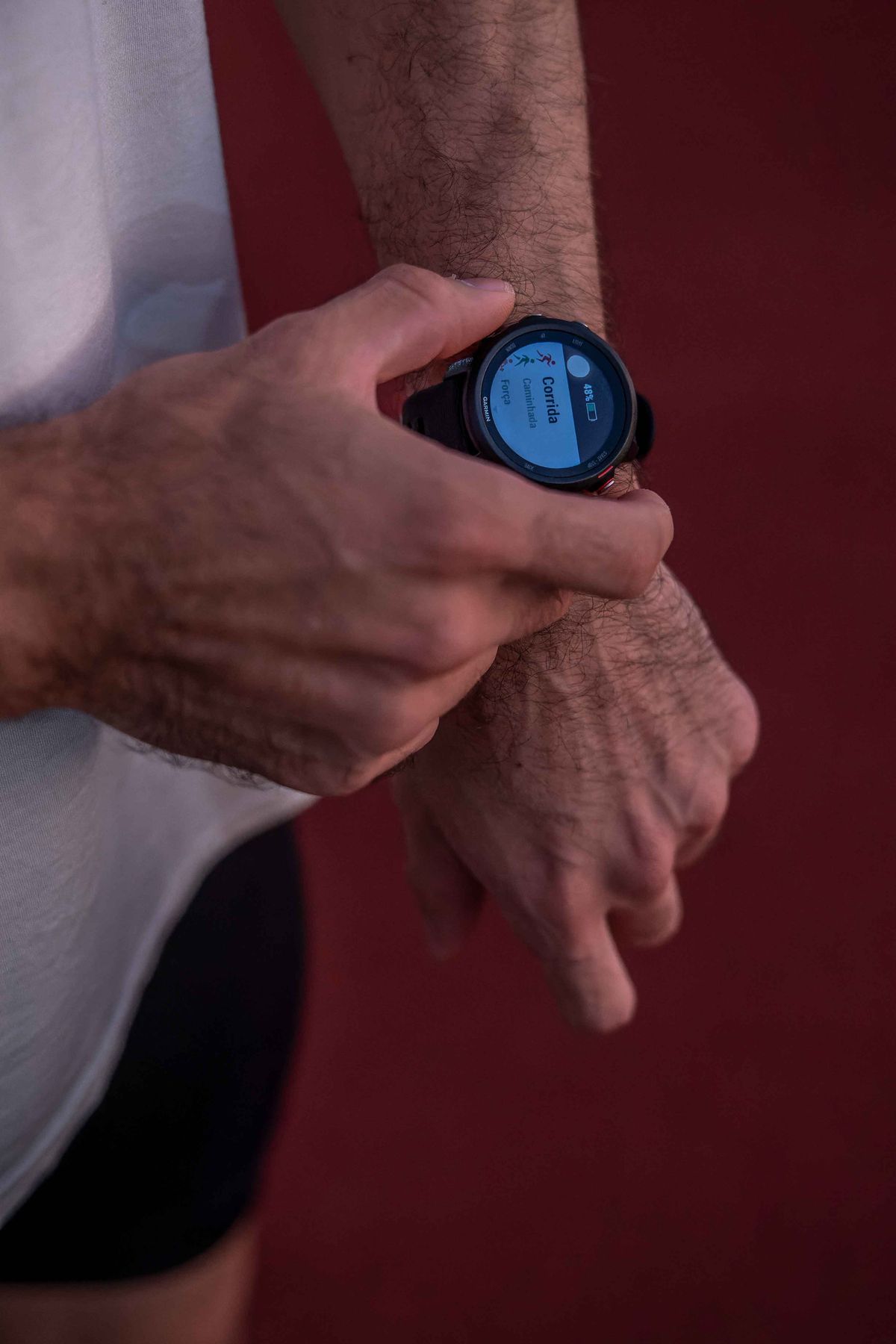
Three operational checks:
- Talk test: You can speak full sentences but you'd rather just breathe.
- Heart rate: 180 minus your age (Maffetone formula) as a rough Zone 2 ceiling. Refine with a chest strap over 4-6 weeks.
- Nose breathing: You can still breathe through your nose only. Once you have to switch to mouth, you've drifted out of Zone 2.
The classic mistake: doing Zone 3 (tempo pace) and calling it Zone 2. Tempo pace feels productive and dopaminergic but doesn't drive the same mitochondrial adaptation.
The "I Don't Have Time" Reframe
3-4 hours per week sounds like a lot until you realize:
- It's 30-45 minutes/day, 5 days/week
- You can do it on a walking pad while answering email
- You can do it on a stationary bike while reading
- It's the only training intensity where multitasking actually works (the cognitive load is low)
Zone 2 is the rare exception to single-tasking discipline — because the working memory load is so low, you can stack it on top of other cognitive tasks. The 30-minute morning podcast walk + 30-minute evening reading bike adds up to most of the weekly dose.
What TaskCoach.AI Does With This
The Habits system can track a weekly Zone 2 minutes count as a habit. The Daily Clock view can hold the time slot honestly. The system doesn't replace a heart-rate monitor but it handles the actual adherence layer — did the session happen — which is where most "I should do more cardio" intentions die.
The Bottom Line
Zone 2 is the cardio intensity almost no recreational athlete trains at because it doesn't feel hard enough to feel productive.
It is also the intensity that builds the mitochondrial density that determines metabolic flexibility, endurance, and probably long-term mortality risk.
3-4 hours per week. Steady-state. Conversational-but-effortful. Boring on purpose. Compounding for decades.