The Most Under-Prescribed Intervention In Medicine
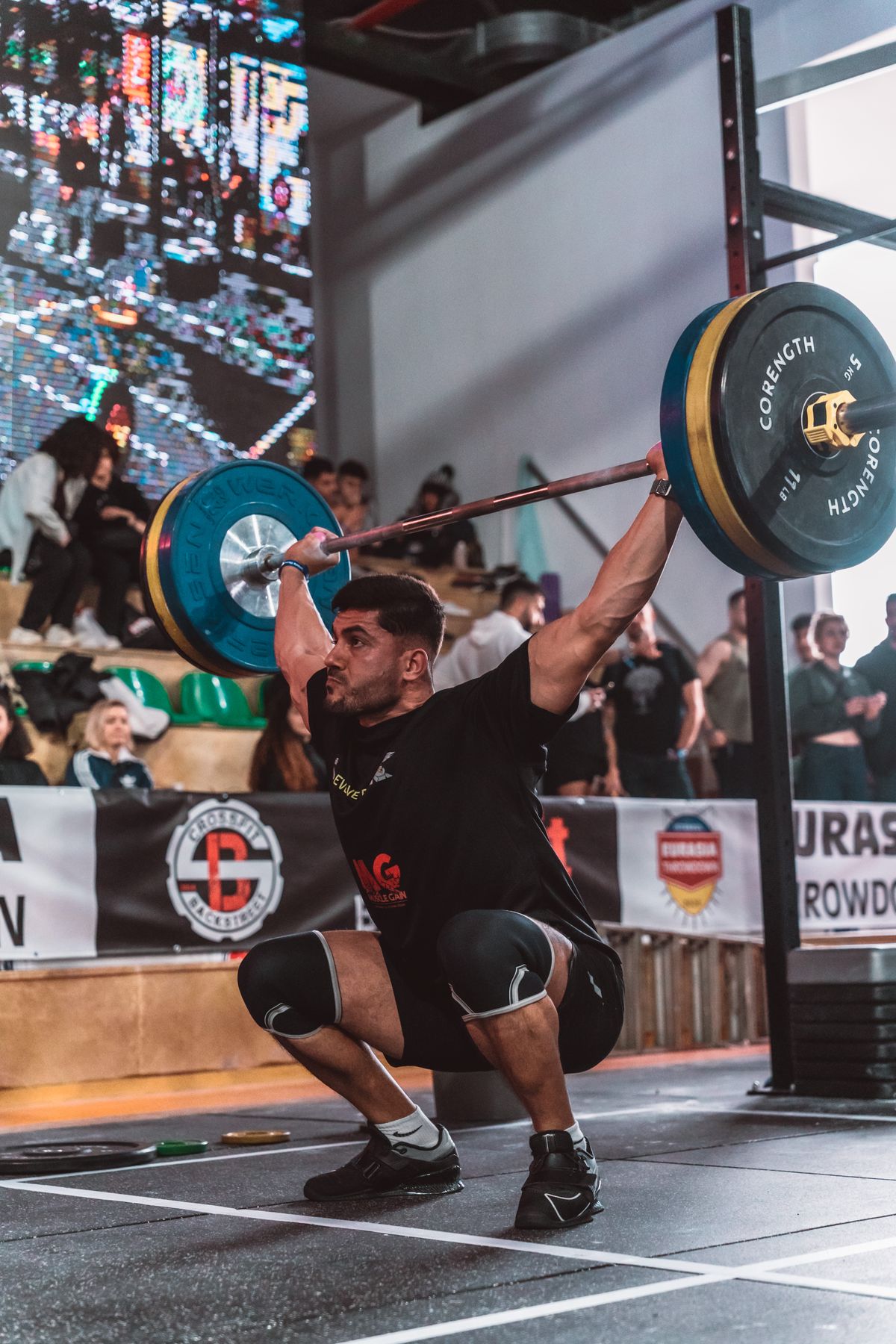
If a drug reduced all-cause mortality by 23% with no side effects, it would be the most-prescribed pharmaceutical in history. That drug exists. It is called resistance training, and almost nobody is taking it.
The evidence base is now substantial. Stamatakis et al. (2018, American Journal of Epidemiology) followed 80,000 UK adults for an average of 9 years. Adults who reported strength training ≥2x per week had a 23% lower all-cause mortality risk after adjusting for aerobic activity, age, smoking, alcohol, and chronic disease status.
Saeidifard et al. (2019, European Journal of Preventive Cardiology) — meta-analysis of 11 cohort studies — replicated this: strength training was independently associated with 15-30% reductions in all-cause and cardiovascular mortality.
Liu et al. (2019, Medicine & Science in Sports & Exercise) showed the effect is additive to aerobic exercise: people who did both had the largest reductions of all (~40% reduction in mortality vs. inactive controls).
The Mechanism: Sarcopenia
Untrained adults lose 1-2% of muscle mass per year after age 50. By 70, the average sedentary adult has lost 20-30% of their peak muscle mass. By 80, half of it is gone.
This is sarcopenia — age-related muscle loss — and it is the underlying pathology that makes elderly fragility predictable. The downstream consequences:
- Lower glucose disposal → higher diabetes risk
- Lower resting metabolic rate → easier fat gain
- Lower balance → more falls
- Lower bone density (muscle pull on bone is a primary bone-density signal) → more fractures
- Lower reserve for illness → worse outcomes when hospitalized
Sarcopenia is largely reversible with strength training, even started at age 70+. Fiatarone et al. (1994, NEJM) put 90-year-old nursing-home residents on 8 weeks of strength training. Average strength gain: 174%. Average walking speed improvement: 48%. These were people previously unable to stand up from a chair without help.
Peter Attia's Centenarian Decathlon
Peter Attia popularized a useful framing: design backward from what you want to be able to do at 90.
Lift a grandchild — requires functional upper-body strength. Get off the floor without using hands — requires hip and core strength. Walk 3 miles in flat terrain — requires VO2max and joint health. Carry groceries up two flights of stairs — requires grip + leg strength. Live independently — requires balance + reserve capacity.
These are decathlon-level demands for a 90-year-old body. Working backward:
- If you want to deadlift 200 lb at 90, you need to deadlift ~350 lb at 60.
- If you want to walk 3 miles at 80, you need 8+ miles of trail-walking capacity at 50.
The point: don't aim for the floor at 90. Aim for a ceiling at 60 that leaves substantial margin for the decline.
The Operative Dose For Longevity
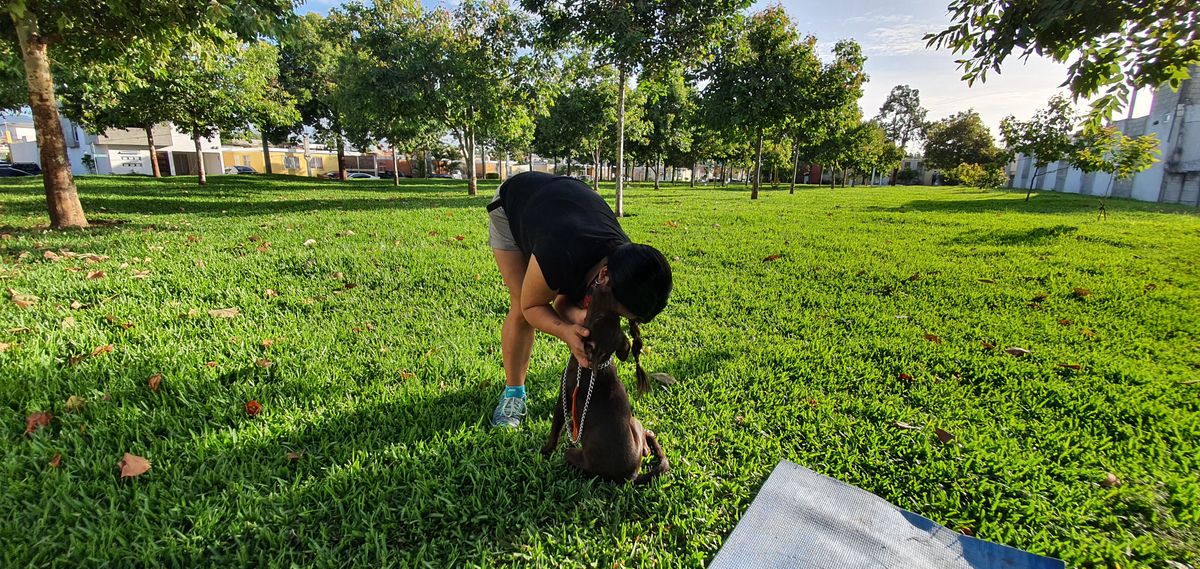
You don't need to be a competitive lifter. The longevity dose is smaller than the bodybuilding dose:
- 2-3 sessions per week of resistance training
- 30-45 minutes per session
- Full-body (you don't need to split if you're only training 2-3x)
- Compound-focused (squat / hinge / push / pull / carry)
- Progressive (the bar moves over months)
Total: 60-135 minutes per week. Less than most people spend on email.
The longevity benefit appears to plateau around this dose — there's no clear evidence that 8 hours/week of lifting confers additional mortality benefit beyond 2-3 hours.
The "I'm Too Old" Reframe
The most-quoted study on this question — Fiatarone et al. (1994, NEJM) — used 86-96-year-olds who had been sedentary for decades. They gained strength.
There is no age cutoff at which strength training stops working. The relative gains may slow, but the absolute health benefit doesn't.
A 70-year-old who starts strength training is making one of the highest-leverage decisions of the next 20 years of their life. The compounding starts immediately and continues for decades.
What Won't Work

Three patterns that show up in the data as low-effect:
1. Cardio only. Cardio is great for cardiovascular health, but does not prevent sarcopenia. Pure-cardio adults still lose muscle at near-untrained rates.
2. Light resistance only. "Weights for women / for older adults" advice that prescribes 2-3 lb dumbbells doesn't drive the strength signal. The load needs to be heavy enough to require effort.
3. Sporadic training. 4 sessions one month, none the next two months, 6 the next month → no signal. Consistency over months and years is the variable.
What TaskCoach.AI Does With This
The Habits system tracks weekly strength sessions as a binary. The Body pillar surfaces the trend over months. The user doesn't need a heart-rate monitor or a body fat calculator — they need to consistently put a hard training session into the calendar 2-3x per week. The system holds the adherence layer.
The Bottom Line
Resistance training 2-3 times per week → 15-30% reduction in all-cause mortality. Independent of and additive to aerobic exercise.
The mechanism is sarcopenia prevention plus the cascade of metabolic and structural benefits muscle confers.
The dose is small: 60-135 minutes per week. Less than most weekly TV consumption.
Almost nobody does it. The people who do it consistently outlive their sedentary peers and live more independently in the years they have. The decision compounds for decades.