Greetings, Traveler. Two Traditions, Twenty-Five Centuries Apart, Mostly Agreed.
The Buddha taught the Four Noble Truths in roughly the 5th century BC. Mihaly Csikszentmihalyi published Flow in 1990. The Buddhist tradition and contemporary positive psychology arrived at substantially overlapping conclusions about the nature of suffering, the structure of meaningful experience, and the path forward.
The overlap is not coincidence. Both traditions were empirically observing the same phenomenon: the human mind operating under different conditions produces wildly different qualities of lived experience.
Where they diverge matters. Where they agree matters more.

What They Agreed On
Three core observations converged across both traditions.
1. Suffering is amplified by attachment to outcomes. The Buddha's Second Noble Truth identifies tanha (craving, attachment) as the cause of dukkha (suffering). Csikszentmihalyi's flow research found that flow states are characterized by reduced self-referential attachment to outcomes; the practitioner is absorbed in the activity rather than the result.
Both traditions concluded that attachment to specific outcomes degrades the quality of present-moment experience.
2. The quality of attention is more important than the content of attention. Buddhist mindfulness practice trains the practitioner to attend skillfully to whatever is occurring. Csikszentmihalyi found that flow occurs across vastly different activities (chess, surgery, rock climbing, painting) because the activity matters less than the structure of attention.
Quality attention transforms ordinary activities into meaningful experience. Distracted attention degrades extraordinary activities into ordinary experience.
3. The self quiets when attention is fully absorbed. Buddhist tradition describes the temporary dissolution of self-construct during deep meditation as anatta (non-self). Csikszentmihalyi described the loss of self-consciousness as a defining feature of flow states.
Both traditions documented that the self-referential narration that normally accompanies experience is itself a major source of suffering, and both found that this narration quiets during certain states.
Where They Diverged
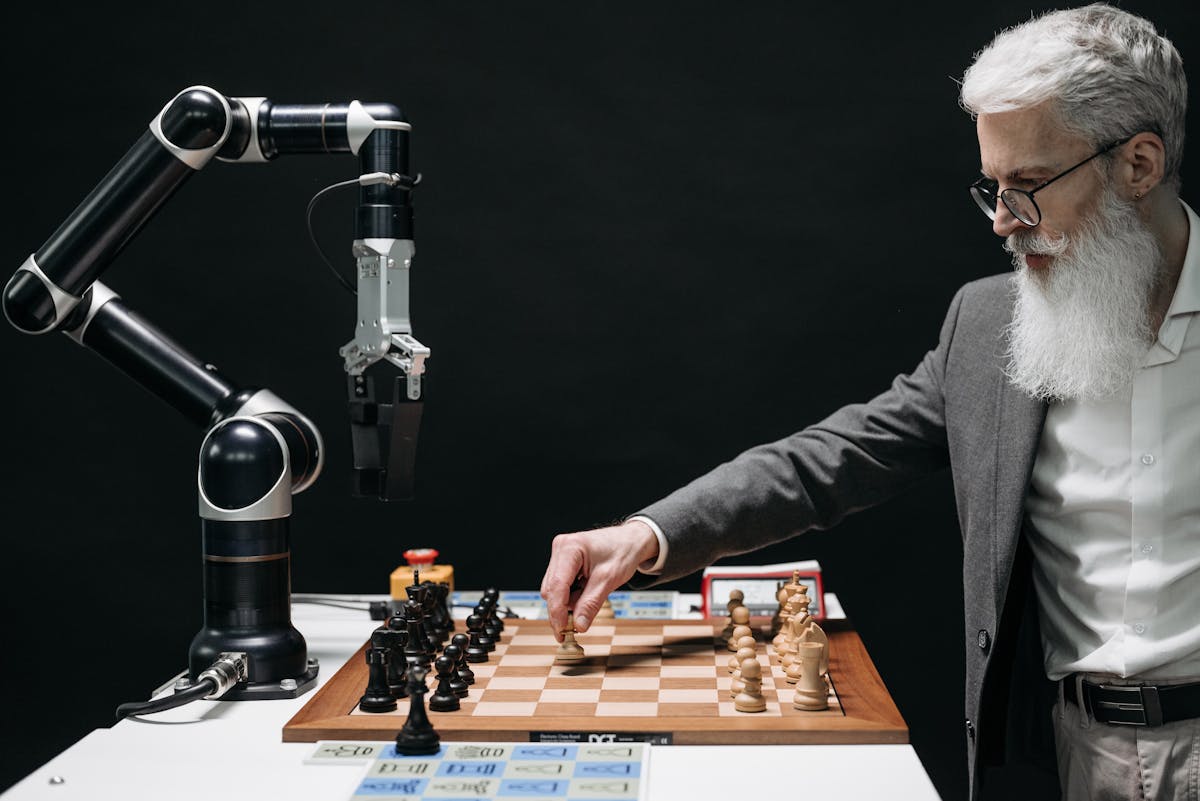
The divergence is in what they recommend for the rest of life.
Buddhist tradition recommends gradual disengagement from attachment. The deeper Buddhist path moves toward the renunciation of preferences, ambitions, and identifications. The endpoint is liberation from the desire that produces suffering. Monastic traditions formalize this.
Csikszentmihalyi's framework recommends deeper engagement. The flow research's prescription is to find activities slightly above current skill level and to commit to mastery in them across years. The endpoint is increasingly sophisticated engagement with chosen domains.
These are different prescriptions. One reduces attachment. The other deepens commitment. Both produce reductions in suffering, but through opposite mechanisms.
How To Synthesize The Two

The contemporary application is less either-or than the traditions might suggest. The synthesis below draws from both:
1. Pursue mastery in chosen domains (Csikszentmihalyi). Pick one or two domains and commit to multi-year skill development. The flow that emerges from genuine mastery is one of the highest-quality experiences available.
2. Hold the outcomes lightly (Buddhist). Within the mastery pursuit, attend to the process rather than the result. The marathon runner who is attached to a specific finish time suffers more than the marathon runner who is attached to running well. Run well. The time arrives or it does not.
3. Train attention regardless (Both). Both traditions agree that attention is trainable and that trained attention produces higher-quality experience. Daily meditation or focused-practice rituals build the capacity that both flow and equanimity require.
4. Notice when attachment is producing suffering (Buddhist). Periodically check whether your relationship with your domain has become attached to outcomes in destructive ways. The pursuit that becomes about validation, status, or future identity has drifted from flow toward grasping.
What This Means For The Dream Life Equation
In our piece on the Dream Life Formula, the second variable was meaningful struggle. The Csikszentmihalyi side of the synthesis fills in what "meaningful" means: skill development in chosen domains, with flow as the byproduct.
The Buddhist contribution is the texture of how to hold that pursuit. Lightly. Without grasping. Without making the struggle into a source of new attachment that produces new suffering.
The mastery without the lightness becomes another treadmill. The lightness without the mastery becomes drift. Together they produce something neither tradition alone fully captures: durable, meaningful engagement that does not corrode into its opposite.
Where TaskCoach Plays
The Mind pillar in TaskCoach.AI can encode daily attention training (meditation, focused practice). The Career and Mind pillar identity-rank progression encodes the mastery pursuit across years. The architecture protects both the attention work and the long-term skill commitment from the daily noise that would otherwise erode them.
The system does not select your domain. It does not generate your equanimity. It provides the structural scaffolding inside which both develop.
The Bottom Line
Two traditions, two and a half millennia apart, converged on the observation that the quality of attention determines the quality of experience. They diverged on what to do about it.
Pursue mastery. Hold the outcomes lightly. Train attention daily. Notice when grasping returns.
The synthesis is more durable than either tradition alone.