A goal can fail inside a beautiful dashboard. The chart may rise while the work stays vague, or the streak may break even though the larger outcome is moving in the right direction.
The first decision is not which app to install. It is what kind of progress you need to see.
How we compared the apps
We tested the products against five questions:
- Can the app represent the real shape of the goal?
- Does it connect the outcome to actions?
- Is progress visible without extra bookkeeping?
- Can the plan recover after a miss?
- Does the review help you decide what to change?
The products below solve different versions of that problem. A dedicated tracker, task manager, habit app, and RPG should not be scored as if they were interchangeable.
Goal tracking apps at a glance
| App | Best for | What it tracks best | Price checked July 30, 2026 |
|---|---|---|---|
| Strides | Dedicated goal tracking | Targets, averages, milestones, projects, and habits | Free to start; paid plan available |
| Todoist | Project-style goals | Tasks, sections, deadlines, labels, and recurring actions | Free; Pro is $7 monthly or $60 yearly |
| Streaks | A compact habit set | Recurring behaviors and completion chains | Paid app; storefront pricing varies |
| Way of Life | Behavior patterns | Positive and negative habits over time | Free to start; paid options vary |
| Habitica | Game and social accountability | Habits, daily goals, to-dos, quests, and party progress | Free core; optional subscription and purchases |
| TaskCoach | Goals connected to daily planning | Goals, projects, tasks, habits, calendar plans, and reviews | Free core; Premium starts at only $8 per month |
1. Strides: best dedicated goal tracker
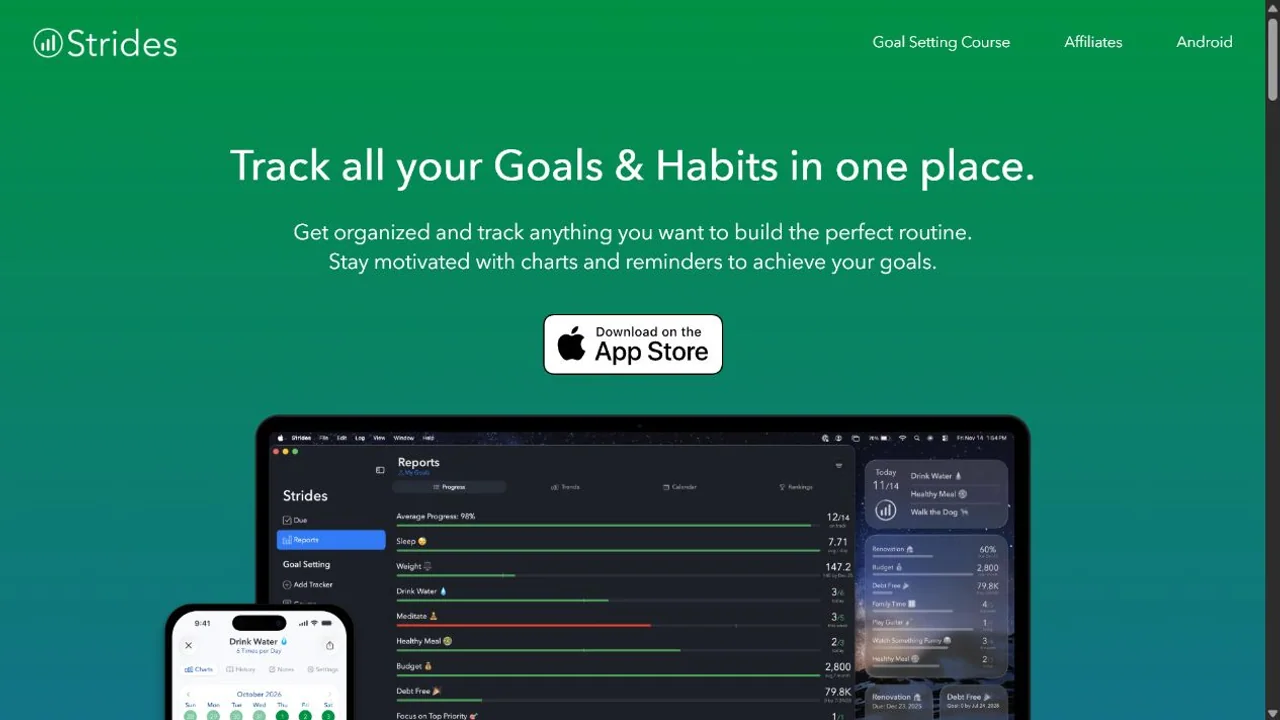
Strides is built around tracking rather than project management. Its tracker types can represent a target, an average, a project, or a habit. That flexibility matters when "write a book," "save $5,000," and "walk four times a week" need different progress models.
What works
- Different tracker types fit different kinds of goals.
- Charts make trends and projected outcomes visible.
- Targets and reminders can be set around a chosen schedule.
- The interface keeps goals separate from a long general task list.
Limitations
Strides is strongest as a personal tracker. Complex project execution, shared work, and calendar planning are better handled elsewhere. Detailed tracking can also become its own chore if you create a metric for everything.
Best for: someone who wants several kinds of personal goal displayed in one purpose-built dashboard.
2. Todoist: best for project-style goals
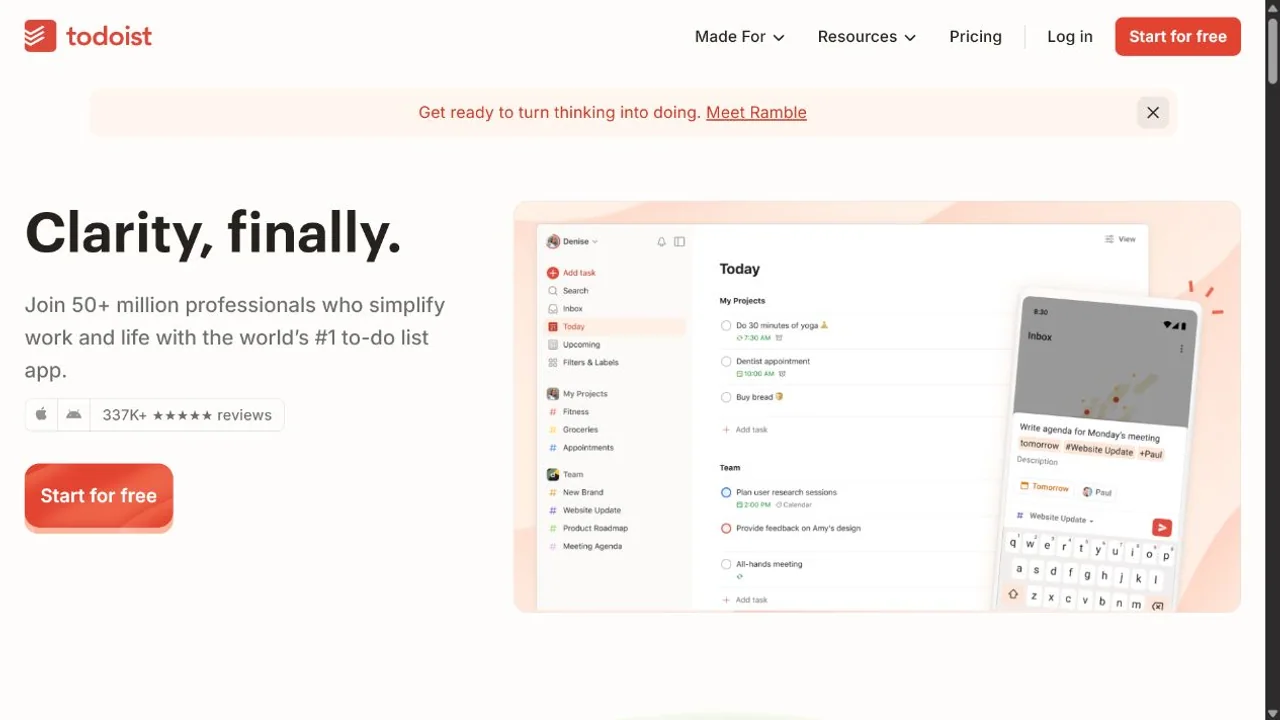
Todoist does not try to turn every goal into a score. It gives you projects, sections, tasks, recurring dates, priorities, labels, filters, and collaboration. For a goal such as launching a course or moving house, that execution structure is often more useful than a percentage ring.
What works
- Fast capture lowers the chance that an action disappears.
- Projects and sections can mirror stages or milestones.
- Recurring tasks support maintenance goals.
- Filters and labels can create focused views across several projects.
Limitations
Todoist tracks completion better than outcome quality. It does not offer the same dedicated numerical goal charts as Strides. A busy task list can also hide whether the larger result is actually improving.
Best for: someone whose goal becomes clearer when it is decomposed into organized, scheduled work.
3. Streaks: best compact habit scoreboard
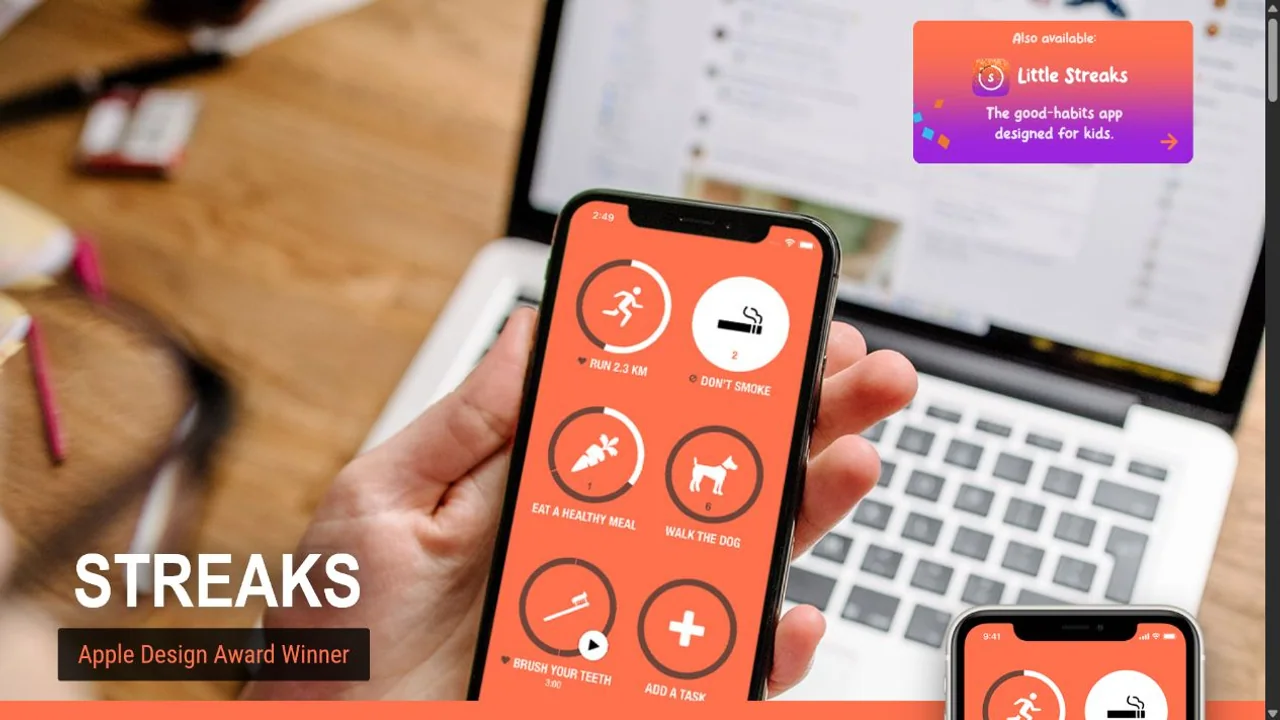
Streaks keeps the number of active habits deliberately small and presents them as large completion rings. Supported Apple Health data can complete some tasks automatically, which reduces the bookkeeping around fitness goals.
What works
- A limited habit set is easier to review than a crowded dashboard.
- Flexible schedules support actions that do not happen every day.
- Apple platform integrations can reduce manual input.
- Progress is visible in seconds.
Limitations
Streaks is not designed for multi-step projects or broad goal planning. Its Apple focus will exclude some users. A completion chain can also become emotionally expensive when one miss is treated as the whole story.
Best for: someone with a few recurring actions that need a clear, low-maintenance scoreboard.
4. Way of Life: best for behavior patterns
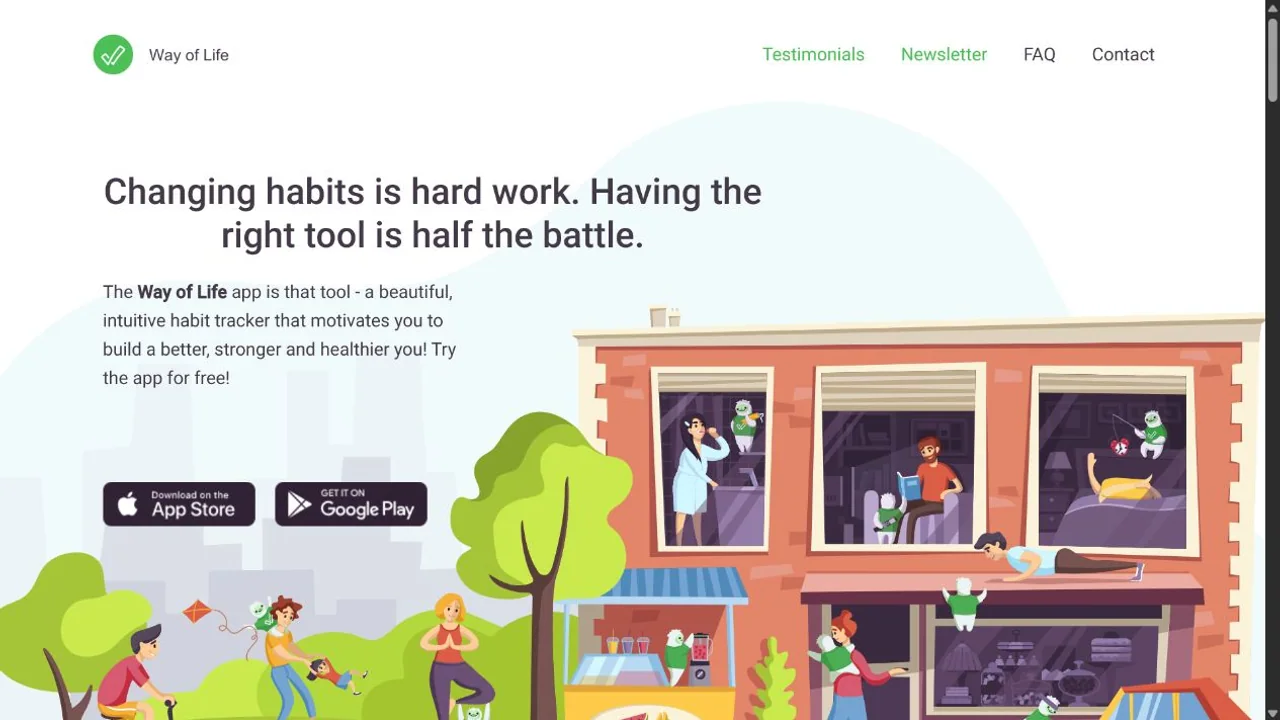
Way of Life uses a simple journal to mark whether a behavior happened. Over time, chains, trend lines, and notes can show which days and situations support or disrupt the behavior.
What works
- Check-ins are quick.
- Positive and negative habits can be tracked together.
- Trend views shift attention from one day to a pattern.
- Notes can preserve context behind an unusual result.
Limitations
Way of Life measures repeated behavior, not the full plan behind a goal. It offers less project structure and coaching than broader systems. Manual check-ins still depend on honest, consistent use.
Best for: someone who wants to notice the conditions behind a habit, not only protect a streak.
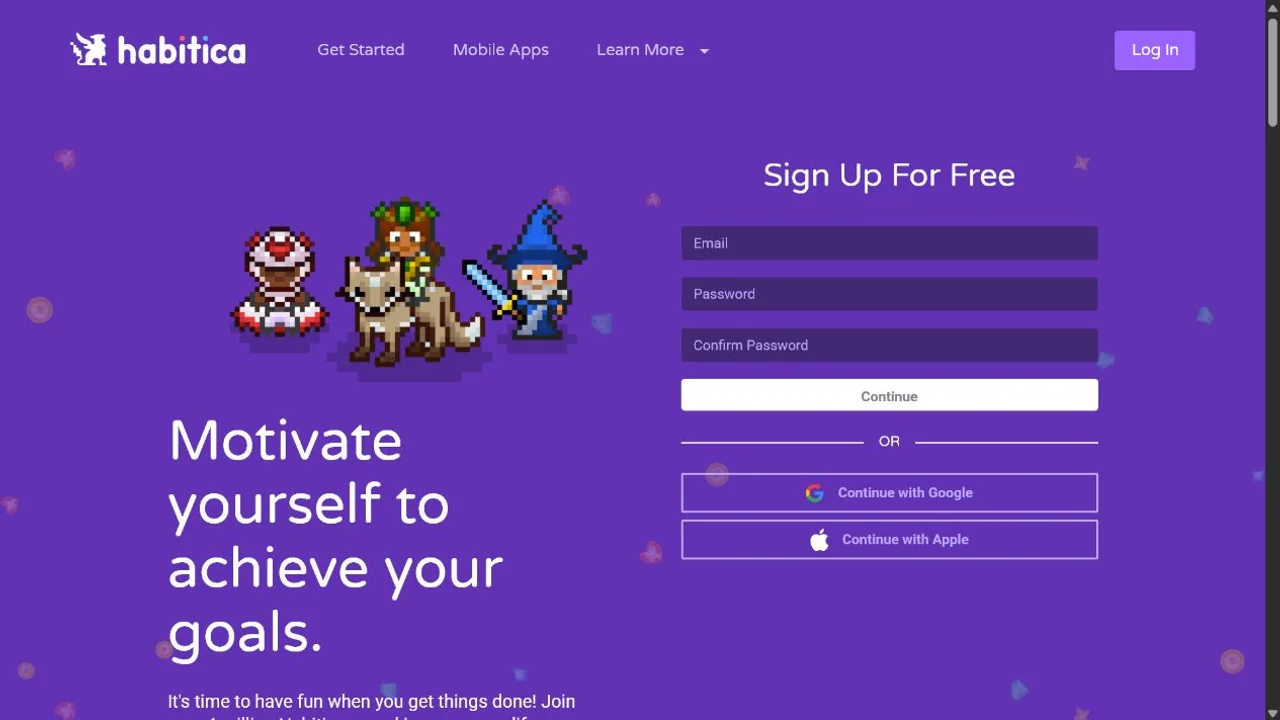
5. Habitica: best game and social accountability
Habitica turns habits, daily goals, and to-dos into an RPG. Completion earns experience, gold, gear, pets, and quest progress. Parties make personal follow-through contribute to a shared game.
What works
- Rewards arrive much sooner than the distant goal payoff.
- Parties and quests give small actions social meaning.
- Habits, daily goals, and one-off to-dos have distinct roles.
- The core experience is free.
Limitations
The game needs attention of its own. Health loss and broken daily goals can feel punishing during a difficult week. Numerical outcomes, detailed projects, and calendar planning remain lighter than in specialist tools.
Best for: someone who values RPG progress and group accountability more than formal goal analytics.
6. TaskCoach: best goal-to-day system
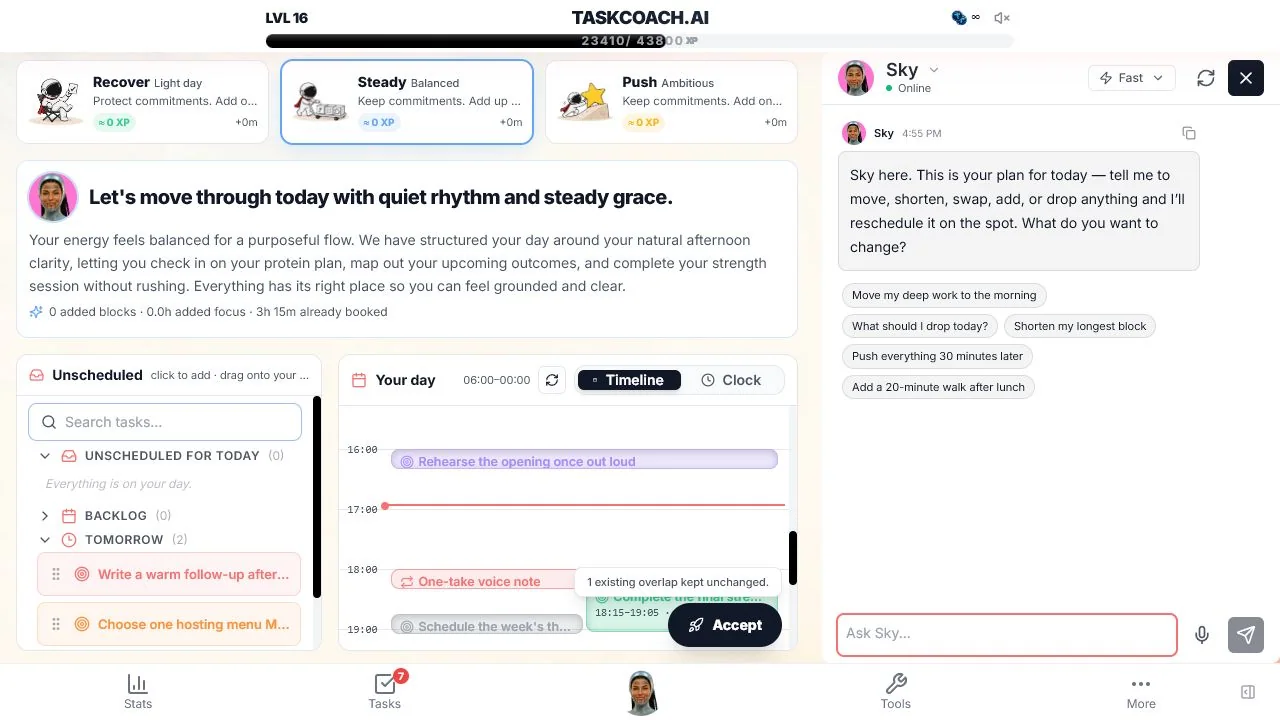
TaskCoach keeps a goal connected to projects, tasks, habits, notes, calendar plans, focus sessions, reviews, and coaching. Plan Day can prepare Recover, Steady, and Push drafts from current work, then lets you adjust the blocks before accepting the plan.
What works
- A goal can remain attached to the work that moves it.
- Tasks, habits, focus, planning, notes, and coaching share context.
- Seven life pillars make competing goals visible together.
- Reviews and analytics can connect recent behavior to the next plan.
Limitations
TaskCoach is broader than a dedicated goal tracker and needs more setup than Streaks or Way of Life. It does not match Habitica's RPG depth or Strides' range of specialized tracker types. We publish TaskCoach, so this entry is a disclosed recommendation.
The core product is free, with AI assistance available inside selected features. Premium adds the standalone cross-context Brain Chat and other advanced features. It costs $14.99 monthly, or $88.88 when billed yearly.
Best for: someone who wants the goal, next action, daily schedule, and review to stay in one system.
Pick the progress model before the app
| Your goal looks like | Useful progress model | Best starting point |
|---|---|---|
| Reach a measurable target by a date | Current value against target | Strides |
| Complete a project with many actions | Milestones and finished tasks | Todoist |
| Repeat a small behavior consistently | Scheduled completions | Streaks |
| Understand when a behavior happens | Trend plus contextual notes | Way of Life |
| Make routine completion feel rewarding | XP, quests, and social progress | Habitica |
| Keep long-range goals tied to today's plan | Goal, action, schedule, and review | TaskCoach |
A better weekly review
A tracker becomes useful when it changes a decision. Once a week, ask:
- What moved in the real world?
- Which action was the best leading indicator?
- What did I track but never use?
- What became harder than expected?
- What is the smallest adjustment for next week?
Delete metrics that produce no decision. Add context when the same number can mean different things. A run missed because of an injury is not the same problem as a run missed because the shoes stayed hidden in a cupboard.
The bottom line
Choose Strides for flexible dedicated tracking, Todoist for project execution, Streaks for a compact habit set, Way of Life for behavior patterns, Habitica for game rewards, and TaskCoach for goals connected to daily planning and coaching.
If your goals keep disappearing between the annual plan and this afternoon, try TaskCoach free with one goal and its next three actions.